Spark Plug or Ignition Coil: A Comprehensive DIY Comparison
A detailed, objective comparison of spark plug and ignition coil roles, failure signs, testing methods, and replacement considerations for car owners and DIY enthusiasts.


In this comparison, we examine the spark plug or ignition coil—the two core ignition-system parts—to help you diagnose issues and decide what to service first. Both components influence starting, idle, and power delivery, but they fail differently and require distinct tests. This guide outlines practical steps, testing tips, and replacement considerations so you can prioritize repairs with confidence.
Core Roles and Interdependence of the spark plug and ignition coil
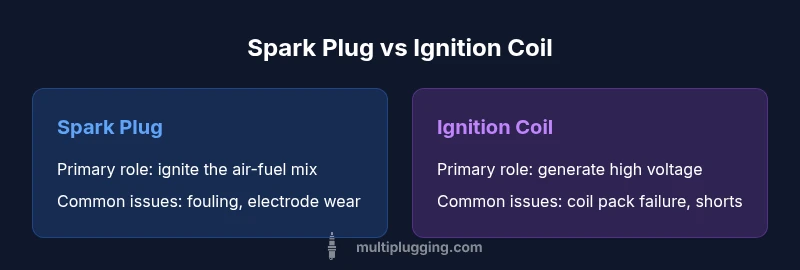
In most gasoline engines, two parts work together to produce ignition: the spark plug and the ignition coil. The spark plug is a durable, heat-tolerant electrode assembly that sits in the combustion chamber and creates the spark that ignites the air-fuel mix. The ignition coil steps up the car's battery voltage to a level capable of producing a spark across the plug gap. Understanding how these parts interact is essential for accurate diagnosis and maintenance. When one part wears, the other is often stressed, making symptoms ambiguous. For many DIYers, diagnosing the spark plug or ignition coil issues starts with observing misfires, rough idling, or inconsistent acceleration. A structured approach—start with the simplest check and move toward testing the components most prone to wear—saves time and money. This guide follows a clear, evidence-based path to help readers diagnose, test, and service both parts, with practical tips tailored to common engine layouts and accessible tools. According to MultiPlugging, grounding your diagnostic approach in component function reduces guesswork and improves repair outcomes.
Operational Differences: How They Shape Performance
The ignition system relies on the coil to generate a high-voltage pulse and the spark plug to emit a spark at the precise moment. The coil manages the energy and timing; the plug converts that energy into ignition within the combustion chamber. Because of their different roles, wear or faults manifest in distinct ways. A failing spark plug often causes misfires under load or rough idle, while a faulty coil may produce misfires that are intermittent or affect multiple cylinders. Understanding this distinction helps you focus tests and avoid replacing the wrong part. While both components share the goal of reliable combustion, their failure signatures and maintenance needs differ in meaningful ways.
Symptomatology: What Failure Looks Like
Identifying symptoms early reduces the risk of further engine damage. A worn spark plug may show dark and oily deposits, worn electrodes, or a narrowed spark gap. A degraded ignition coil often presents as random misfires, hard starting, or a check engine light with misfire codes. Because symptoms can overlap, it's crucial to conduct a structured diagnostic process rather than guessing. In some engines, misfires are caused by a common issue like a dirty fuel injector or a vacuum leak, which can mask the underlying problem. Proper diagnosis requires correlating symptoms with testing results from both components and reviewing maintenance history.
Testing and Diagnostic Methods: Tools and Techniques
Testing a spark plug typically involves checking the electrode gap, inspecting for wear, and performing a spark test with a dedicated screwdriver-style tester. Testing an ignition coil can involve measuring primary and secondary resistance, voltage drop tests, or using a known-good coil as a reference. For many DIYers, a spark tester is a cost-effective way to verify whether a plug can reliably ignite a controlled spark. Coil testing may require an ignition tester or a professional scanner with misfire analysis. A systematic approach—test the plug first, then the coil—helps identify which part is at fault with confidence.
Replacement Considerations: Longevity and Costs
Replacement decisions hinge on wear, reliability, and how the part affects engine efficiency. Spark plugs wear gradually with heat cycling and deposits; coils may fail suddenly due to internal short or insulation breakdown. Because costs vary by brand, engine type, and whether you replace individual units or entire coil packs, it’s wise to evaluate the total cost of ownership rather than per-part price alone. In many engines, replacing worn plugs first is a common, cost-effective starting point, followed by coil inspection if misfires persist. A holistic view of maintenance history and testing results yields the best long-term value.
Maintenance Practices to Extend Life: Practical Steps
Adopt a proactive maintenance mindset to keep both components in good condition. Regularly inspect plug gaps and electrode wear during tune-ups, and check for fouling that can indicate oil leaks or rich fuel mixtures. For coils, keep ignition wiring clean and secure, and replace damaged boot seals to prevent moisture ingress. Use quality ignition components that match the engine’s specifications, and avoid exposing spark paths to contaminants. Documentation of maintenance work helps track wear patterns and informs future decisions.
Engine-Type Variations: Distributorless and Coil-On-Plug Systems
Modern engines often use coil-on-plug or distributorless configurations, which change replacement dynamics. Coil-on-plug systems simplify diagnosis by isolating each cylinder’s coil, but a failed coil pack can affect multiple cylinders in some designs. Distributorless systems reduce maintenance needs compared with older distributor-based setups but require precise diagnostics for each coil and plug pair. When evaluating a vehicle, verify the exact configuration and use the manufacturer’s service data to select compatible replacement parts. Compatibility matters more than brand preference in ensuring reliable ignition.
Common Misconceptions Debunked
A frequent myth is that all plugs are interchangeable across engines or that a single coil can control multiple spark plugs in a bank. In reality, plug heat range and physical size must match the engine, and coil configurations are engine-specific. Another misconception is that a single misfire always means a bad plug; misfires can also arise from fuel, intake leaks, or sensor issues. By separating symptoms from root causes, you reduce unnecessary replacements and improve diagnostic accuracy.
Decision-Making Framework: What to Replace First
Start with the simplest, most abuse-prone component—the spark plugs if the vehicle has many miles on them or if deposits are visible. If misfires persist after cleaning or replacing the plugs, turn to the ignition coil or coil packs and inspect wiring harnesses and connectors. In high-mileage or performance applications, consider replacing both components as a preventive measure to restore peak combustion quality. Always base replacement decisions on direct diagnostic results rather than assumptions.
Tools, Safety, and Best Practices
Carry out ignition system work with basic hand tools, a proper socket set, a spark plug wrench, and a spark tester. Safety comes first: disconnect the battery, depressurize the system, and wear eye protection. When removing plugs, use anti-seize compound on threads where applicable and torque plugs to the manufacturer’s specification. For coils, avoid pulling on the wire harnesses and handle coils carefully to prevent internal damage. Keeping a clean workspace and following steps in order minimizes mistakes and failures.
Impact on Fuel Economy and Emissions
Failing plugs or coils can degrade engine efficiency, causing rough idle, reduced power, and increased exhaust emissions. A misfiring cylinder wastes fuel and stresses the catalytic converter over time. Replacing worn components not only restores driveability but also helps maintain optimal fuel economy and emission performance. Regular inspection, early detection, and correct installation are essential to achieving these gains.
Practical DIY Checklist for the Road Ahead
Before a road test, confirm the plug gap matches specifications, inspect the coil boot seals, and ensure there is no oil or coolant intrusion into the combustion chamber. During a tune-up, create a simple diagnostic log: mileage since last replacement, observed symptoms, and test results. If you’re unsure, consult service data for your engine family and consider using a trusted brand with a solid warranty. A disciplined approach keeps you in control of ignition-system health.
Comparison
| Feature | spark plug | ignition coil |
|---|---|---|
| Primary function | Ignites the air-fuel mixture at the plug tip | Generates and delivers the high-voltage spark to the plug |
| Common failure signs | Misfires under load, fouled electrodes, degraded spark | Intermittent misfires, hard starts, weak spark at high rpm |
| Testing method | Gap check, visual inspection, spark test | Primary/secondary resistance tests, impedance checks |
| Maintenance approach | Regular replacement at specified intervals or when worn | Inspect coil boots, connectors; test packs for resistance and leakage |
| Lifespan indicators | Electrode wear, deposit buildup, heat cycling history | Insulation integrity, heat exposure, number of starts |
| Cost to replace (qualitative) | Low to moderate per plug, depends on heat range | Moderate to high per coil or coil-pack replacement |
| Impact on fuel economy | Dirty plugs reduce combustion efficiency | Weak spark or misfires reduce engine efficiency |
| Interchangeability/compatibility | Heat range and gap vary by engine | Coil configurations are engine-specific; some engines use coil packs |
Strengths
- Clear diagnostic value when tests are performed
- Independent replacement allows targeted fixes
- Wide aftermarket availability and guidance
- Opportunity to improve combustion efficiency with proper maintenance
Negatives
- Misdiagnosis risk if symptoms overlap
- Coil packs can complicate replacements in some engines
- High-performance or specialized engines may require premium parts
For most DIYers, diagnose first, then replace the worn component; both parts matter, and coordinated maintenance yields best results.
A structured diagnostic process minimizes unnecessary replacements. Prioritize the part that matches the observed symptoms, and consider replacing both if wear is evident across components.
FAQ
Can I diagnose spark plug and ignition coil failures without specialized tools?
Basic checks like visual inspection and simple spark tests can identify obvious issues. For precise measurements, use a spark tester for plugs and a coil tester or reference coil for coils. In many cases, automotive stores or community shops offer access to the necessary equipment. Always follow safety procedures when testing live systems.
You can start with visual checks and basic spark tests; for precise results, use a spark tester and a coil tester when available.
Should I replace spark plugs before ignition coils?
If the vehicle has many miles or visible deposit buildup, start with spark plugs. They are typically easier and cheaper to replace and can quickly improve performance. If symptoms persist after replacing plugs, investigate the coils and related wiring. This stepwise approach reduces unnecessary coil replacements.
Start with the plugs if they look worn or dirty; test the coils only if misfires continue after plug replacement.
What signs indicate a failing ignition coil?
Indicators include random misfires, hard starting, rough idle, and a persistent check engine light with misfire codes. If you notice power loss or hesitation that coincides with specific RPMs, the coil or coil pack is a strong suspect. Always verify with resistance testing or a swap-test using a known-good coil when possible.
Look for random misfires, hard starts, or rough idling; verify with coil tests or a swap test if safe.
Are all spark plugs interchangeable across engines?
No. Spark plugs vary in heat range, reach, thread size, and electrode design to suit each engine. Using an incorrect plug can cause poor combustion or damage. Always match the manufacturer’s specification for your engine and avoid cross-using plugs from unrelated models.
Plugs aren’t interchangeable; use the exact spec for your engine.
How often should I inspect spark plugs and ignition coils?
Inspect plugs at regular maintenance intervals or when symptoms arise. Coils should be checked if misfires occur or there is evidence of heat or moisture damage in the coil boots. A proactive approach—checking both during tune-ups—helps prevent unexpected failures.
Check plugs during tune-ups and inspect coils when misfires appear.
Main Points
- Diagnose symptoms before replacing parts
- Understand each component’s distinct role and failure modes
- Use the correct testing tools to avoid guesswork
- Follow engine-specific maintenance guidelines
- Keep a maintenance log for ignition components