How to Remove a Stuck Spark Plug Boot
Learn how to remove a stuck spark plug boot safely with step-by-step techniques, proper tools, and tips to prevent damage and keep your engine healthy.


Goal: safely remove a stuck spark plug boot without damaging the plug or wire. You will need penetrating oil, a spark plug wrench with a rubber boot, pliers, and protective gear. Start by disconnecting the battery, applying penetrating oil around the boot, and gently twisting to loosen with controlled force. If resistance remains, pause to prevent tearing.
Why the spark plug boot gets stuck
A spark plug boot can seize or stick due to a combination of heat cycling, corrosion, and rubber aging. Over time, the metal terminals on the spark plug and the boot can form a thin coat of oxide that fuses the boot to the metal. Excessive grime, oil, or road grime around the base of the boot also creates suction that makes removal harder. Importantly, the boot is designed to be flexible, not permanently bonded to the spark plug, so forcing it can tear the boot or damage the coil wire. When you’re learning how to remove stuck spark plug boot, the goal is to separate the boot from the plug with minimal force and maximum control. Rushing this step risks costly damage, misfire, or an electrical short; proceed with care and patience.
Safety and prep before attempting removal
Before you begin, ensure you work in a safe, well-lit space and wear eye protection and gloves. The engine should be cool, the car parked on a level surface, and the battery disconnected to minimize any chance of short circuits. Keep your tools organized and be mindful of hot components around the engine bay. Detach any accessories that might snag the boot during removal. This phase helps you prepare for a clean, controlled process and reduces the risk of accidental damage when you tackle the stubborn boot.
Assess the situation: signs of a stuck boot and when to stop
Look for visible cracks or tears in the boot material and check if the boot is swollen or unusually stiff. If the boot has torn, or if you feel resistance that doesn’t lessen after gentle rocking and oil application, stop to prevent further damage. A stuck boot isn’t always the boot itself; sometimes the inner wire or coil connector is seized. In such cases, treat the issue as a safety-critical repair and consider replacement rather than forcing the boot off. Understanding the signs helps you decide whether to proceed, soak, or seek professional help.
Choosing the right tools and lubricants
For how to remove stuck spark plug boot, you’ll want penetrating oil or rust penetrant, a spark plug socket with a rubber insert, a ratchet, and non-marring pliers for extra grip. Have safety gloves and glasses, clean rags, and a silicone-based lubricant handy for interior boot lubrication after removal. Avoid metal-to-metal prying that can cut the rubber. If you need to apply heat, use a hair dryer or heat gun on a low setting to soften the boot rather than blasting it with concentrated heat. This section helps you pick the right combination of tools so you can work efficiently without damaging components.
Step-by-step approach to carefully remove the boot
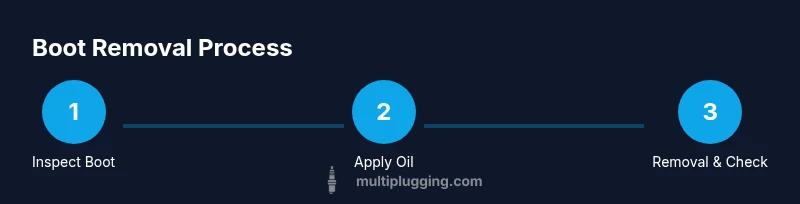
- Prepare the area and safety gear; disconnect the battery and ensure the engine is cool. 2) Apply penetrating oil at the base of the boot and let it soak briefly to soften corrosion. 3) Use a spark plug socket with rubber insert to grip the boot where it meets the plug, avoiding twisting the wire itself. 4) Gently rock the boot side-to-side while applying light, steady torque—avoid sudden twists that could tear the rubber. 5) If stiffness persists, apply a small amount of silicone-based lubricant to the boot’s exterior and reattempt a gentle twist. 6) Once it releases, inspect the boot and wire for damage and prepare for reassembly with proper lubricants. See the step-by-step guide for visuals and timing cues.
Common mistakes and how to recover if boot tears
The most common mistake is yanking on the boot or using metal tools to pry it off, which can crack or tear the rubber and ruin the boot and wire. If you notice tearing, stop immediately and remove any tools that could worsen the damage. In many cases you can replace the boot and inspect the coil wire for damage before reinstalling. If the boot has torn, do not continue the attempt with the existing boot; replacing the boot and possibly the spark plug wire assembly ensures reliable operation and prevents misfires.
Aftercare: Inspect, clean, and reinstall
With the boot removed, inspect the spark plug well and the coil boot for residue, corrosion, and wear. Clean any oil or debris from the plug boot exterior and the plug seat. Before reinstalling, consider applying a thin layer of silicone lubricant inside the boot to ease future removal and protect the rubber from cracking. Reinstall the boot using a gentle twisting motion, and ensure the boot is fully seated on the plug before reconnecting the battery. Finally, start the engine to verify a smooth idle and proper firing order.
Prevention tips to avoid future sticking
Regular inspection of spark plug boots can prevent this issue. Look for cracks, hardening rubber, or corrosion at the base of the boot. Keep the boot and wire connections clean, and apply a boot-safe silicone lubricant periodically to maintain flexibility. Avoid over-tightening clamps and ensure the boot is cycled during routine maintenance to reduce sticking risk. When you learn how to remove stuck spark plug boot, you’ll gain insight into proactive care that extends spark plug life and engine reliability.
Tools & Materials
- Penetrating oil or rust penetrant(Apply around boot base; allow soak time (5-15 minutes))
- Spark plug socket with rubber insert(Grip the plug, not the ceramic tip; avoid scratching)
- Ratchet with small extension(For controlled turning; helps avoid torque spikes)
- Non-marring pliers or plastic pry tool(Use if edge lift is needed without tearing boot)
- Safety gloves(Protect hands from oil and sharp edges)
- Safety glasses(Eye protection in case of oil spray or debris)
- Rags or shop towels(Clean spills and wipe surfaces during removal)
- Silicone-based boot lubricant(Light interior lubrication after removal)
- Heat source (hair dryer or heat gun, low setting)(Gentle heat to soften boot; avoid direct flame)
Steps
Estimated time: 60-90 minutes
- 1
Power down and prep
Ensure the engine is cool, the car is in park, and the battery negative terminal is disconnected. Clear the work area and wear PPE. This creates a safe baseline before touching electrical components.
Tip: Organization reduces mistakes; lay out tools in a logical order. - 2
Apply penetrating oil and soak
Spray penetrating oil around the boot base where it meets the plug and allow a few minutes for the liquid to penetrate corrosion. Revisit if it stays resistant after the initial soak.
Tip: Multiple light applications beat a single heavy spray for stubborn seized parts. - 3
Grip the boot with the right tool
Place the rubber insert on the spark plug socket and fit it over the boot’s base. Avoid grabbing the wire itself to prevent internal damage. Apply steady, gentle torque with a short twist-and-turn motion.
Tip: Do not use metal-to-metal prying; protect rubber with the socket’s rubber insert. - 4
Use gentle heat if needed
If the boot remains stubborn, apply a light amount of heat around the boot (not the plug) using a hair dryer. Warmth helps soften rubber and break the bond without harming internal wiring.
Tip: Keep heat low and move the source to avoid overheating any single area. - 5
Decide when to stop
If you feel tearing, crackling, or deeper resistance, stop immediately. Forcing through damage can lead to coil failure or misfire.
Tip: Safety first: a torn boot requires replacement rather than forcing removal. - 6
Inspect and reinstall
After the boot releases, inspect for cracks or deformities. If intact, lightly lubricate the inside with silicone, reseat the boot fully on the plug, and reconnect the battery. Test engine health afterward.
Tip: Lubrication makes future removal easier and protects rubber from drying out.
FAQ
Why is my spark plug boot stuck?
Boots can stick due to heat cycles, aging rubber, and corrosion at the metal-to-rubber interface. Dirt and oil at the base also create suction, making removal harder. Patience and proper technique prevent damage when learning how to remove stuck spark plug boot.
Boots stick because of heat, aging rubber, and corrosion near the base. Dirt adds suction; use penetrating oil and a careful twist to remove safely.
Can I use pliers to remove a stuck boot?
Non-marring tools can help only if used carefully and without touching the wire. Pliers risk crushing the boot or kinked wires, so avoid gripping the rubber with metal. Use a spark plug socket with a rubber insert whenever possible.
Avoid metal pliers directly on the boot; they can cut or crush it. Prefer a rubber-inserted socket grip.
What should I do if the boot tears?
If tearing occurs, stop the removal and replace the boot. Inspect the coil wire and plug for damage, and consider replacing the spark plug wire assembly if any conductors are compromised. This prevents misfires and electrical shorts.
If you tear the boot, replace it and inspect the wire for damage. Don’t reuse a torn boot.
Do I need to disconnect the battery before starting?
Yes. Disconnecting the negative battery terminal minimizes the risk of short circuits while working around spark plug wires and metal components.
Yes, always disconnect the battery to stay safe while working near electrical parts.
How long should I wait after applying penetrating oil?
Allow a few minutes for initial penetration, then reapply if needed. For stubborn boots, a longer soak can help, but avoid over-soaking that creates a mess in the engine bay.
Let the penetrating oil soak for a few minutes and reapply if necessary.
Can I reuse the same boot after removal?
Only if the boot shows no signs of cracking or damage and still maintains flexibility. If there are any imperfections, replace it to maintain a reliable seal and insulation.
Reuse only if it’s undamaged and flexible; otherwise replace.
Watch Video
Main Points
- Plan a patient, controlled removal.
- Use penetrating oil and rubber-friendly grips.
- Inspect boot and wire for damage before reassembly.
- Lubricate interior to ease future removal and prevent drying.
- Replace a damaged boot—don’t reuse a torn component.