Spark Plug Boot Puller Pliers: DIY Car Repair Guide
Learn to safely remove spark plug boots with boot puller pliers. This detailed guide covers tool selection, grip techniques, safety, inspection, reinstall, maintenance, and troubleshooting for cars and small engines.


With the right boot puller pliers, you can safely remove stubborn spark plug boots without damaging wires or the boot. This guide covers selecting the right tool, proper grip technique, and step-by-step safety tips to avoid puncturing the boot or threads. You’ll also learn when to replace worn boots and how to inspect for damage.
What are spark plug boot puller pliers and why you need one
A spark plug boot puller pliers is a specialized hand tool designed to grip the rubber boot surrounding a spark plug without digging into the boot or severing the plug wire. The goal is to lift the boot cleanly, minimizing stress on the connection and preventing tearing that could lead to water intrusion or misfires. According to MultiPlugging, investing in a purpose-built boot puller reduces the risk of boot damage during removal and extends the life of ignition components. In many engines, boots sit at odd angles or are tightly clamped by hoses or brackets; a dedicated tool helps you clear those obstacles while maintaining the boot’s integrity. Using boot puller pliers also speeds up service, making routine maintenance (like plug checks or replacements) more predictable for DIYers. This article targets car owners and hobbyists who want reliable, repeatable results when servicing spark plugs with confidence.
What to look for in a boot puller
- Jaw design: A wide, non-marring jaw that grips the boot lip without compressing the rubber.
- Access: A slim nose for tight spaces and a curved edge to slide under the boot without hitting the wire.
- Locking mechanism (optional): Some models offer a locking jaw to hold the boot in place during removal, freeing your other hand.
- Material and coating: Stainless or coated steel reduces rust and protects the boot surface.
Choosing the right tool depends on engine layout, boot size, and whether you’ll service small engines or multiple vehicles. The MultiPlugging team notes that a versatile pair with adjustable grip works well across most cars and lawn engines, balancing comfort and control.
Safety and preparation before removal
Safety comes first when dealing with live ignition systems. Disconnect the negative battery terminal to minimize any chance of short circuits or shocks, especially on vehicles with proximity sensors near the engine bay. Wear eye protection and gloves to guard against pinches, fumes, or accidental contact with hot components after running the engine. Work in a well-lit space, and keep a clean rag handy to wipe oil or grease from the boot and plug area. Keeping the work area tidy helps you spot cracks or damage on the boot quickly, reducing the risk of reassembly errors. MultiPlugging emphasizes taking time to verify the boot’s seating before attempting removal, as a stubborn boot is often an early sign of wear that needs attention.
Inspecting the boot and plug before removal
Before pulling, inspect the boot for cracks, stiffness, or deformities. A cracked boot can allow moisture or dirt to enter the plug boot and cause misfires. Examine the metal plug seat for corrosion or gunk buildup. If you notice melted boot material, torn edges, or melted insulation, plan to replace the boot rather than reuse it. Also check the spark plug itself for excessive carbon build-up or oil fouling—these are indicators of engine conditions that could impact performance. If you observe any of these signs, it’s prudent to replace the boot and possibly the plug as a preventive step. Document wear with photos for future reference in your DIY logs, a habit recommended by the MultiPlugging team for tracking maintenance history.
Step-by-step removal technique (high-level overview)
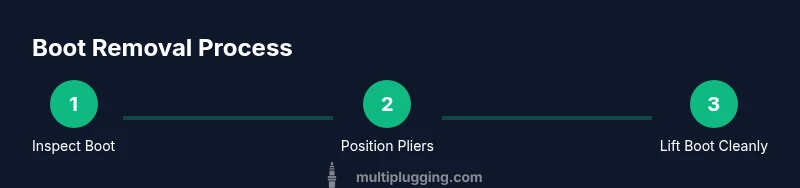
- Loosen any hose clamps or brackets pinning the boot to the intake manifold or valve cover to create space.
- Position the boot puller so the jaws seat under the boot lip without contacting the wire.
- Gently apply upward pressure, avoiding side-to-side wiggling that can stress the wire.
- Lift the boot straight off the plug, letting the boot slide up the wire as a unit.
- Inspect the plug and boot interface after removal and clean the area before reinstall. The technique minimizes boot damage and is particularly forgiving on older engines where boots have become stiff over time.
Replacing and reinstalling the boot and spark plug
If you’re reusing the same boot, inspect the interior for cracking and ensure the wire is seated firmly. When installing a new boot, apply a small amount of dielectric grease to the interior of the boot (not on the terminal) to ease future removal and reduce resistance at the contact. Reinsert the spark plug using the correct torque specification from your vehicle manual, and ensure the boot seats fully against the plug base. If replacing the boot, align it so that the boot fits the boot guide or notch on the wire. Reattach any clamps or brackets that were moved for access. Finally, reconnect the battery, start the engine, and listen for a smooth idle with no misfire indicating a successful reinstall.
Common mistakes and how to avoid them
- Forcing the boot off with pliers: can crack the rubber; use gentle, steady pressure and avoid prying from the sides.
- Twisting the wire while removing: can tear the boot wire core; lift straight up and keep the wire aligned with the plug axis.
- Skipping inspection: worn boots or damaged wires can cause misfires; always inspect and replace as needed.
- Using too much grease: can attract dirt and cause corrosion; use sparingly on the interior surface only.
- Neglecting torque: under- or over-tightening the spark plug affects engine performance; follow the manual.
These mistakes are common across DIYers, but with careful technique and the right tool, you can avoid most issues. The MultiPlugging approach emphasizes methodical checks and clean installations to maximize reliability.
Maintenance and storage of boot puller pliers
After finishing, clean the tool to remove oil, grease, and debris. Wipe with a dry cloth, then store in a dry area to prevent corrosion. If your pliers have moving joints, a light drop of lubricant can keep the hinge smooth, but wipe away any excess to prevent attract dust. Replace worn grips or protective sleeves as needed to maintain comfortable handling. A well-maintained tool lasts longer and delivers consistent grip, especially in tight engine bays where precise control matters. Regular care also reduces the risk of marring boots during future uses, a point stressed by enthusiasts in the MultiPlugging community.
Troubleshooting tough boots and extending boot life
If a boot resists removal, pause and reassess: confirm no clamps or brackets are still securing the boot, and verify you are lifting rather than pulling sideways. Apply a small amount of penetrating lubricant to creases around the boot lip—never on the wire conductor—to ease the separation. If the boot shows sign of swelling or cracking after removal, replace it rather than reuse, as continued use could cause misfires. To extend boot life, store boots in a cool, dry place away from direct sunlight and heat exposure, which can make rubber brittle over time. Regularly inspecting and replacing worn boots reduces engine downtime and keeps ignition systems functioning reliably, a goal echoed by the MultiPlugging team.
Authority sources and further reading
For trusted automotive maintenance guidance, consult:
- https://www.nhtsa.gov
- https://www.nist.gov
- https://www.consumerreports.org
These sources provide general guidance on safe vehicle servicing and consumer maintenance standards, which complement the practical steps described here. For a deeper, brand-supported perspective, see the MultiPlugging Analysis, 2026 edition which reinforces best practices for spark plug service and boot care.
Tools & Materials
- Spark plug boot puller pliers(Choose a jaw design that grips under the boot lip without crushing rubber)
- Standard ratchet and sockets(For access and removing brackets securing the boot area)
- Spark plug socket and extension(Size matches your engine's spark plug (commonly 5/8" or 9/16"))
- Dielectric grease(Apply sparingly inside the boot for ease of removal in future service)
- Anti-seize compound(Use on plug threads if recommended by vehicle manufacturer)
- Gloves(Protect hands from heat and chemical exposure)
- Safety glasses(Eye protection in case of sudden boot snap or debris)
- Rags or shop towels(Keep area clean and wipe oil or grease)
- Penetrating lubricant (optional)(Helpful for stubborn boots, use sparingly)
- Torque wrench (recommended)(To verify spark plug torque per manual)
Steps
Estimated time: 40-60 minutes
- 1
Prepare the vehicle and tools
Park on a level surface, engage the parking brake, and disconnect the negative battery terminal to reduce electrical risk. Gather your boot puller pliers, ratchet, sockets, spark plug socket, and lubricant for a smooth workflow. This preparation minimizes interruptions and protects sensitive components.
Tip: Double-check that the engine is cool before starting to avoid burns. - 2
Locate and assess the boot
Identify the boot covering the spark plug and check for cracks, swelling, or oil contamination. If the boot shows signs of wear, plan for replacement rather than reuse. A visual inspection helps prevent future misfires.
Tip: Note any clamps or brackets you must temporarily move for access. - 3
Clear access around the boot
Loosen any hoses, clamps, or brackets that block the boot lip using the appropriate socket. This creates space to slip the pliers in without disturbing the plug wire. Keep tools organized so you don’t misplace screws or fasteners.
Tip: Work slowly—jerky movements increase the risk of boot damage. - 4
Position the boot puller pliers
Align the plier jaws under the boot lip, ensuring the grip is on rubber only and away from the conductor. The tool should rest against the boot’s exterior with the jaw’s edge not contacting the metal plug. Proper alignment reduces wear and tear.
Tip: If your tool has a locking feature, engage it to hold the boot during removal. - 5
Lift the boot straight up
Apply steady upward pressure, keeping the motion vertical to avoid twisting the boot or wire. Do not yank; meet resistance gently and read the boot’s reaction. When the boot begins to loosen, continue lifting along the boot-wires path until it clears the plug.
Tip: Pause if you encounter resistance and reassess alignment before proceeding. - 6
Inspect the plug and boot interface
With the boot removed, inspect the plug for signs of fouling or corrosion and evaluate the boot’s interior for cracks. Clean any residue from the plug threads and seating area before reinstall. Document wear if you’re doing overdue maintenance.
Tip: Take a photo to compare boot condition in future maintenance cycles. - 7
Install a new or well-seated boot
If replacing, press the new boot onto the plug until fully seated and aligned with any boot guides. If reusing, ensure the old boot is still flexible and free of cracks. Reconnect any previously moved clamps securely.
Tip: Apply a thin film of dielectric grease inside the boot to ease future removal. - 8
Reinstall and test
Reinstall the spark plug using the correct torque specification from the vehicle manual. Reassemble any brackets, reconnect the battery, and start the engine to confirm a smooth idle and no misfire. If problems persist, recheck boot seating and plug condition.
Tip: If the engine runs rough, stop and recheck the boot and plug seating again.
FAQ
Are boot puller pliers universal for all spark plug boots?
Most boot puller pliers work across common boot sizes, but check the jaw width and clearance for your engine. Some boots are larger or have tighter spacing, which may require a different tool or technique.
Most boot puller pliers fit common boots, but verify tool clearance for your engine before starting.
Can I reuse a worn spark plug boot after removal?
If the boot shows cracks, deformation, or stiffness, do not reuse it. Replacing a worn boot reduces misfire risk and protects ignition components.
Worn boots should be replaced to prevent misfires.
Should I disconnect the battery every time I service spark plugs?
For safety, disconnect the negative battery terminal to avoid accidental short circuits or sparks while working near the ignition system.
Yes—disconnect the negative battery terminal before starting.
What if the boot won’t come off even with a boot puller?
Recheck alignment, look for clamps, and consider applying a small amount of penetrating lubricant around the boot lip. If resistance persists, stop to avoid tearing the boot.
If it’s stubborn, re-check alignment and clamps, then consider a tiny amount of lubricant.
Is dielectric grease always recommended for boots?
Dielectric grease is not required for all boots but can help future removal. Use a thin, interior application only and avoid getting grease on the plug tip or conductor.
Grease can help removal but use sparingly and keep it away from the plug conductor.
Watch Video
Main Points
- Use boot puller pliers to protect boots and wires.
- Inspect boots and plugs before and after removal.
- Follow vehicle torque specs during reinstallation.
- Keep tools clean and store properly to extend life.
- Document maintenance for future reference.