How to Remove a Spark Plug That Is Stuck Without Damaging It
A comprehensive, safe guide from MultiPlugging on removing a stubborn spark plug without causing head damage, covering tools, techniques, and prevention.


You can safely remove a spark plug that is stuck without causing damage by using penetrating oil, a proper spark plug socket, and controlled leverage. Start by soaking, then carefully twist with a breaker bar in short increments, applying anti-seize afterward. If the plug still won't budge, switch to heat and alternative extraction methods.
Why Stuck Spark Plugs Happen
Spark plugs can seize for several reasons: carbon buildup, corrosion, heat cycling, and previous over-tightening. When a plug is stuck, the hex can strip, the threads bind, and applying brute force can damage the head. According to MultiPlugging, most stuck plugs are the result of heat cycling that fuses metal to the threads, or residue acting like glue. The MultiPlugging team found that safety, patience, and the right tool, used in the right sequence, dramatically improves your odds of a clean extraction. Understanding the root causes helps you choose the safest removal method and reduces the risk of costly damage.
Safety First: What to Check Before You Begin
Before you touch a hot engine or a live ignition system, switch off the engine and disconnect the battery to prevent unexpected starts. Wear eye protection and gloves, clear flammable materials away, and work in a well-ventilated area. If fuel or oil leaks are present, address them first and avoid sparks. Having a clean workspace reduces slips and mistakes that could worsen a stuck plug.
Tools and Materials You’ll Need
Identify the essential tools and materials before starting. Essential items include a spark plug socket with a rubber insert, a ratchet, and a breaker bar for extra leverage. Penetrating oil helps soften corrosion and bond, while a torque wrench or anti seize compound is helpful for the reinstall step. Safety glasses, gloves, and rags keep you clean and protected. Optional items like an extractor socket or heat source can be used with caution.
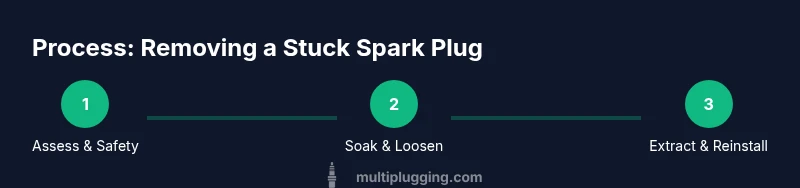
Step 1: Assess the Situation and Safety
Begin by inspecting the plug head for damage, corrosion, or cross threading. If the thread seems seized or the hex is rounded, stop and plan a gentler approach rather than forcing it. Document the engine model and plug type in case you need to reference the service manual later. A quick visual check saves you from wasting time on an ineffective method.
Step 2: Try Gentle Techniques to Loosen
Apply penetrating oil around the base of the plug and let it soak. After soaking, attach the deep well spark plug socket to the plug and fit the ratchet. Gently apply backward pressure in small increments. If you feel resistance, pause and reapply oil. The key is to avoid sudden jerks that can snap the plug or strip the threads.
Step 3: Apply Controlled Torque and Extraction Methods
If gentle loosening fails, switch to controlled torque with a breaker bar. Use short, steady strokes to turn counterclockwise, not a full force twist. Rotate in 5 to 10 degree increments, allowing the oil to work between attempts. If the plug begins to budge, maintain a steady pace while keeping the angle square to the plug to prevent side loading.
Step 4: If It Still Won't Budge, What Next
On stubborn plugs, heat can help loosen the bond, but apply heat around the head rather than directly on the plug to avoid damaging the ceramic insulator. A heat gun or hair dryer can provide a modest rise in temperature for a short period (5 to 10 seconds), then reattempt loosening. If movement is still minimal, consider using an extractor tool designed for stuck plugs, or consult a professional.
Step 5: Reinstall or Replace the Spark Plug
Once the plug is removed, inspect the threads and the plug for wear or damage. Clean threads with a thread chaser or wire brush, then apply a light coat of anti seize before reinstalling a new plug. Re-torque to manufacturer specification using a torque wrench to avoid future seizing. If the plug was damaged, replace it with a new one and verify the engine is sealing properly.
Preventive Tips to Avoid Future Seizures
Regular maintenance helps prevent stuck plugs. Use the correct heat range, avoid over-tightening, and replace spark plugs at recommended intervals. Keep the cylinder head and threads clean, inspect the boot seals, and store your car with the engine cool before performing work. Regular use and proper fuel can also reduce carbon buildup that promotes sticking.
Common Mistakes That Break Spark Plugs
Mistakes include forcing the plug, ignoring soaking times, and using too much heat too soon. Rushing a removal can strip threads or snap the insulator. Always verify tool fit before applying leverage, and never twist the plug with the wrong socket size. Showing patience reduces risk and preserves engine health.
Troubleshooting Quick Reference
If the plug head is rounded, or threads are damaged, do not continue to force removal. Consider professional extraction to avoid costly head repair. For recurring issues, review torque specs, fuel quality, and heat range to prevent future seizures. Keep a diagnostic log for future maintenance.
Tools & Materials
- Spark plug socket with rubber insert(Deep socket that fully covers plug, rubber insert helps grip porcelain)
- Ratchet wrench (1/2" drive)(Solid grip and torque transfer)
- Breaker bar (12" recommended)(Extra leverage for stubborn plugs)
- Penetrating oil(Engine-safe penetrating oil; allow 15-60 minutes soak)
- Anti-seize compound(Light coat on threads after removal to ease future removal)
- Torque wrench (optional)(Use for precise re-torque to spec)
- Thread chaser or wire brush(Clean threads after removal)
- Safety glasses and gloves(Eye protection; gloves for grip and protection)
Steps
Estimated time: 60-90 minutes
- 1
Prepare workspace and safety gear
Clear the area, remove flammable materials, and put on safety glasses and gloves. Ensure the engine is cool and the battery is disconnected before work begins. Gather all tools so you are not scrambling mid-step.
Tip: Wipe down the work area to keep screws and debris from entering the engine bay. - 2
Inspect plug and threads
Visually inspect the plug head for damage or corrosion. If the hex is rounded or threads are damaged, plan to stop and consider professional help. Note the engine model and plug type for reference.
Tip: Take a quick photo of the plug and threads for reference if you need to show a mechanic later. - 3
Soak with penetrating oil
Apply penetrating oil around the base of the plug and let it soak for 15–60 minutes. Keep the area clean and avoid getting oil on belts or hoses. Re-check after soaking period and proceed if movement is possible.
Tip: Do not rush this step; patience increases your odds of a clean extraction. - 4
Attach socket and apply gentle torque
Fit the spark plug socket over the plug and attach the ratchet. Apply backward pressure in small increments, stopping if you feel resistance. Reapply oil as needed between attempts.
Tip: Use a breaker bar for extra leverage only after initial gentle attempts fail. - 5
Try controlled torque or extraction tools
If loose movement occurs, switch to short, steady twists with a breaker bar. If there is still no movement, consider an extractor tool designed for stuck plugs. Avoid forceful yanking.
Tip: Maintain the socket square to the plug to prevent cross-threading. - 6
Apply heat cautiously if needed
Heat around the head for 5–10 seconds using a heat gun or hair dryer, not an open flame. Reattempt gentle loosening after heating; never heat oil or fuel leaks.
Tip: Heat expands metal slightly and can help break corrosion without damaging the ceramic. - 7
Assess and reinstall or replace
If the plug comes out, inspect threads and plug for wear. Clean threads and apply anti seize before reinstalling, and torque to spec. If damage is evident, replace the plug and inspect the head seal.
Tip: Always torque to manufacturer specs to prevent future seizure. - 8
Test engine after reinstall
Reconnect battery, start the engine, and listen for misfires or leaks. Check for proper idle and absence of oil leaks around the plug.
Tip: If misfire occurs after replacement, re-check plug torque and gap.
FAQ
What should I do first when a spark plug won't budge?
Turn off the engine, disconnect the battery, and protect yourself with gloves and eye protection. Then soak with penetrating oil before attempting removal.
First, shut off the engine, disconnect the battery, and protect yourself. Then soak the plug with penetrating oil before trying to remove it.
Can heat damage the engine or plug?
Yes, apply heat carefully around the head, avoid direct flame on the plug to prevent ceramic damage.
Apply heat around the head, not directly on the plug; use short bursts to prevent damage.
What if the plug head is rounded?
If the head is rounded, stop forcing the plug and consider an extractor tool or professional help to avoid engine damage.
If the head is rounded, stop forcing and seek an extractor or a pro.
How long should penetrating oil soak?
Let the penetrating oil soak for 15 to 60 minutes depending on the severity of seizure.
Let the penetrating oil soak for 15 to 60 minutes before retrying.
Is it safe to reinstall with anti seize?
Yes, applying a light coat of anti seize and re-torquing to spec helps future removals.
Yes, apply a light anti seize coating and torque to spec.
Watch Video
Main Points
- Assess causes before forcing removal.
- Use penetrating oil and correct tools for safety.
- Apply heat cautiously and avoid direct flame.
- Re-torque to spec and use anti seize for future removals.
- If stuck, seek professional help to avoid engine damage.