How to Remove a Stripped Spark Plug: Step-by-Step Guide
Learn safe, practical methods to remove a stripped spark plug from your engine. This guide covers tools, techniques, and common pitfalls to avoid with a DIY-friendly approach and expert tips from MultiPlugging.


With this guide, you will safely remove a stripped spark plug and prevent engine damage. You’ll learn when to stop, what tools to use, and effective extraction methods for different thread conditions. Follow the steps carefully, maintain proper torque on reassembly, and consider thread repair if the bore is damaged.
How to remove a stripped spark plug: Common causes
If you’re wondering how to remove a stripped spark plug, you’re not alone. According to MultiPlugging, this is a frequent challenge for DIYers tackling aging engines. A plug can strip during installation or removal due to overtightening, cross-threading, corrosion, heat cycling, or damage from prior repairs. The result is a stubborn plug that spins or refuses to come out, risking damage to the threads and the surrounding bore. Recognizing symptoms like misfires, rough idle, or a hard-to-turn plug helps you diagnose the problem early and choose the right extraction method. By approaching the task methodically, you protect your engine and extend the life of your ignition system.
This issue is common across many engines and can escalate if rushed. The MultiPlugging team notes that taking a deliberate, tool-guided approach significantly improves outcomes. Understanding the root cause — whether over-tightening, corrosion, or previous repairs — informs the safest extraction path and reduces the chance of thread damage in the bore.
Safety first: Protect yourself and the engine
Before you touch the spark plug, power down the vehicle and disconnect the battery to prevent shorts. Work in a well-ventilated, well-lit area and wear safety glasses and nitrile gloves. The ignition system can hold residual voltage and hot components can burn; cooling down the engine for several minutes is wise. If you have fuel leaks or oil present around the plug well, address those issues first to avoid fire risk. A clean workspace reduces the chance of dropping debris into the cylinder. By establishing a safe baseline, you set the stage for a controlled extraction.
Additionally, keep fire safety in mind; never work with open flames or sparks near the engine bay. If you suspect a fuel leak, address it with the engine off and sources properly contained. Safety is the foundation of a successful removal.
Assessing damage and planning your extraction method
Not every stuck or stripped plug is beyond repair. Begin by inspecting the plug for tendencies: is the core damaged, are the threads visible, is there galling or corrosion? If the threads are salvageable, you can use non-invasive methods first. If the plug turns with traction but does not back out, you’ll need an extraction technique or a thread repair plan. Good lighting and a helper can help; take notes on which cylinder it belongs to and what tools were used. MultiPlugging Team notes that a calm, structured approach reduces the risk of further damage and increases your odds of a clean extraction. If the bore appears clean but the plug refuses to budge, apply penetrating oil and test again after the soak period.
A thorough assessment also includes checking the coil boot and surrounding seals. If there is oil fouling near the plug, that could indicate a leaking seal or gasket issue that may complicate removal. Document the condition before proceeding so you can evaluate after the plug is removed.
Tools and workspace prep you’ll need
Preparing with the right tools is essential for effective removal. Gather a penetrating oil, a quality spark-plug socket with a rubber insert, an assortment of wrenches or a breaker bar, and a thread extractor kit if needed. Keep safety gear handy: gloves, eye protection, and a small flashlight. Have a clean rag and a magnet handy to catch metal shavings. If you suspect the bore threads are damaged, include a thread repair kit and a torque wrench for reassembly. A tidy workspace helps you track parts and avoid losing fasteners. Having a small mirror or a borescope can help inspect the plug well without disassembly.
Also prepare a container for storing removed parts and a small brush to clean debris from around the plug well before you begin. The right tools minimize the risk of further thread damage and make extraction safer and more predictable.
Step-by-step concept: how extraction flows
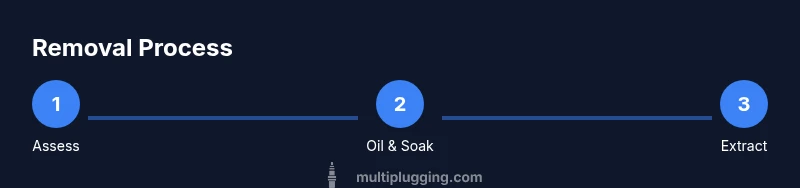
A typical workflow begins with power down and oil soak, followed by careful turning with a suitable socket. If the plug spins freely without coming out, switch to an extraction method. If threads appear damaged, stop and plan a repair rather than forcing the plug. This approach helps prevent further damage and preserves thread integrity for future maintenance. The steps below outline a practical sequence that many DIYers follow, but adapt it to your engine design and tools available. Remember, the goal is to remove the plug without enlarging the bore or compromising seating surfaces.
When you finish, clean the bore and inspect the threads. If you notice any sign of damage, plan repairs before reinstalling a new plug. Patience is your ally here; rushing can create a bigger problem than the initial stripped plug.
Common mistakes that worsen a stripped plug problem
Common errors include over-torquing with an improper socket size, using heat near the plug region, and attempting to force the plug out with blunt tools. Rushing the job or prying aggressively risks damaging the cylinder head threads and the bore. Another mistake is neglecting to soak with penetrating oil long enough or failing to protect the gasket seat during removal. Always work cleanly, take your time with each motion, and verify tool engagement before applying torque. These small precautions reduce the risk of introducing new damage.
Finally, skipping the post-removal inspection can cost you later. Check threads, verify the bore is clean, and plan for a repair if necessary. Avoid using makeshift methods that could compromise engine integrity.
Real-world tips and considerations
Patience and the right tools outperform brute force. Label plugs to keep track of their cylinder and maintain a record of the steps you took. After a successful removal, inspect threads closely; if you see any galling or damage, don’t force a new plug in. Consider a thread repair kit or professional service for damaged bores. Anti-seize on the new plug helps future removals, but apply a small amount and avoid getting it on the gasket sealing surface. A calm, methodical approach reduces risk and gives you the best chance of a clean repair and reliable reassembly.
Tools & Materials
- Penetrating oil(Apply to threads and allow 10-30 minutes to saturate)
- Spark plug socket with rubber insert(Sizing: 14mm/16mm for some plugs; ensure rubber insert grips the plug)
- Breaker bar or ratchet(For controlled, steady torque; avoid sudden jerks)
- Thread extractor kit(Screw extractor or P-set extractor for stubborn plugs)
- Thread repair kit (heli-coil or Timesert)(Only if threads are damaged; follow kit instructions)
- Anti-seize compound(Light coat on plug threads before reinstall)
- Safety gear (gloves, safety glasses)(Protect hands and eyes from debris and chemicals)
- Magnet pickup tool(Help recover dropped fasteners or inserts)
Steps
Estimated time: 90-150 minutes
- 1
Disconnect power and locate plug
Turn off the engine, disconnect the battery negative, and locate the targeted spark plug. Remove any coil pack cover as needed and inspect for obvious damage. This ensures you won't energize the system during extraction.
Tip: Label the plug, avoid touching wiring, and keep your area clean - 2
Apply penetrating oil and wait
Spray penetrating oil at the plug threads from the exterior and into the bore. Let it soak for 10-15 minutes to loosen corrosion and carbon buildup. Do not overspray into the cylinder.
Tip: Even coverage improves effectiveness; reapply if you feel resistance - 3
Lightly engage the socket and align
Position the spark plug socket over the plug with the rubber insert seated. Ensure the socket is fully seated to avoid rounding the plug. Hand-tighten to confirm engagement.
Tip: Use a magnetic tool to hold the socket and reduce slippage - 4
Apply controlled turning
Using a breaker bar, apply steady, slow torque in the direction to loosen. If the plug begins to move, continue with smooth turns. If it binds, stop and reassess.
Tip: Do not hammer or twist aggressively; this can damage threads - 5
Switch to extraction method if needed
If the plug spins in place or refuses to back out, follow the extraction kit instructions or use an impact driver designed for fasteners. Apply twisting force in short pulses to grab the plug metal.
Tip: Pause between pulses to avoid breaking the extractor - 6
Assess threads and plan repair
If extraction succeeds, inspect the threads for damage. If you see galling or stripped threads, plan for rethreading or thread repair before reinstalling a new plug.
Tip: Capture images of damage to compare post repair - 7
Clean and reinstall with care
Clean the bore, chase threads with a suitable tap if needed, apply anti seize and reinstall to the correct torque spec. Reconnect the coil and test the engine.
Tip: Torque to manufacturer spec and retorque after cooling - 8
Test, verify, and finish
Reconnect the battery, start the engine, and confirm there is no misfire. Check for oil or coolant leaks around the plug area and reinstall all covers.
Tip: Run the engine at idle then under light load to verify operation
FAQ
What causes a spark plug to become stripped?
Stripping happens when the plug is over-torqued, cross-threaded, or subjected to corrosion and heat. Improper installation and repeated removal can also weaken threads. Recognize symptoms like misfires and hard startup to plan a careful extraction.
Stripping is usually caused by over tightening or cross threading and can show up as misfire or hard start. Plan a careful extraction.
Can I remove a stripped spark plug without removing the cylinder head?
In many cases you can remove a stripped plug without removing the cylinder head, but it depends on access and engine design. If the plug is deeply recessed or threads are damaged, head removal or professional service may be necessary.
Sometimes you can access the plug without removing the head, but if access is blocked or threads are damaged, you may need professional service.
What tools are essential for extracting a stripped spark plug?
A proper spark plug socket with a rubber insert, penetrating oil, and a thread extractor kit are essential. A breaker bar or impact tool can help. For damaged threads, a thread repair kit may be required.
You need a spark plug socket, penetrating oil, and an extractor. A breaker bar helps; for damaged threads, plan a repair.
What if the threads are damaged after extraction?
If threads are damaged, avoid continuing to torque a new plug. Use a thread repair kit or consult a pro. In some cases, heli coil repairs or time-sert inserts are appropriate.
If threads are damaged, repair may be necessary. Consider heli coil or professional rethreading.
Should I use anti seize on reinstall?
Yes, applying a small amount of anti seize on the plug threads helps future removal. Be careful to avoid getting sealant on the gasket. Recheck torque after installation.
Yes, a tiny amount of anti seize helps future removals. Recheck torque after installation.
How can I prevent plug stripping in the future?
Always torque to the manufacturer specification, inspect threads before reinstalling, and use a proper socket with a rubber insert. Regular maintenance reduces stripping risk.
Torque to spec, check threads, and use the right socket to prevent future stripping.
Watch Video
Main Points
- Identify cause before attempting removal
- Use the right tools and technique
- Do not force a stuck plug
- Inspect and repair threads as needed
- Torque correctly on reinstall