What to Use to Get Spark Plugs Out: A DIY Removal Guide
A comprehensive, step-by-step guide for removing spark plugs safely with the right tools, proper technique, and tips to protect threads and achieve a clean install.


By the end of this guide, you will confidently remove spark plugs using the right tools, protect the threads, and avoid common mistakes. Expect sections on selecting a spark plug socket, using a torque wrench for reinstall, and safe handling of insulated boots and ignition wires. This approach minimizes damage and makes future maintenance easier.
What to use to get spark plugs out
Removing spark plugs is a precise task, not a brute force job. The right tool kit makes the job easier, safer, and faster, and it reduces the risk of cross-threading or dropping a plug into the cylinder. The keyword here is compatibility: using a spark plug socket that matches your plug type and a rubber insert to grip only the ceramic portion prevents clumsy grip on the metal housing. For most cars, a 3/8-inch drive ratchet with a half- to one-foot extension gives enough reach without over-crowding the engine bay. A torque wrench is essential for reinstallation to the manufacturer’s spec and to avoid overtightening the threads. In addition to the socket and ratchet, keep a soft microfiber cloth to wipe away oil and dirt and a small amount of penetrating oil for stubborn threads. Having these items ready before you start reduces delays and protects the plug bore from contaminants. MultiPlugging’s guidance emphasizes checking the plug type (iridium, copper, or platinum) because body length and boot fit influence clearance around the coil pack. With the right tool selection, you’ll extract plugs cleanly and minimize the chance of damaging threads in the head.
Safety and prep before you start
Safety and prep are where most successful spark plug removals begin. Ensure the engine is cool before touching any hot components; this reduces the risk of burns and thermal shock to nearby parts. Disconnect the negative battery cable to prevent any accidental electrical contact while you work. Wear eye protection and gloves, and set up a clean workstation with a rag or mat to catch oil drips. Inspect the spark plug wires and ignition coil boots for signs of wear or damage; a cracked boot can cause misfires after reinstallation. If you plan to reuse the same coil pack, handle it gently to avoid disturbing other components. Have a small container or tray nearby to keep hardware organized by cylinder. This prep aligns with the MultiPlugging approach to reduce risk and keep the workflow smooth and predictable.
Choosing the right tool: sockets, wrenches, and extensions
The cornerstone of successful spark plug removal is the tool match. Start with a spark plug socket that has a rubber insert to grip the ceramic and prevent dropping the plug. Confirm the socket size matches your plug’s hex, usually 5/8" or 13/16" on most vehicles, and ensure a snug fit to avoid rounding. Pair the socket with a ratchet that fits the space in your engine bay—commonly a 3/8-inch drive—with a long extension for reach under manifolds or hoses. A torque wrench is highly recommended for reinstallation to seal the threads without over-tightening. Consider a flexible extension if space is tight. Keep a small brush or rag handy to wipe away oil and dirt from the bore before inserting a new or cleaned plug. Optional but helpful items include anti-seize compound for threads (depending on manufacturer guidance) and a torque wrench adapter for tight spaces. Getting the right combination reduces frustration and protects head threads.
Handling a stuck or fouled plug
Stuck plugs require patience and careful technique. Start with a light application of penetrating oil around the plug base and let it soak for 5–15 minutes to reduce friction. If the plug is rusted or seized, apply gentle heat around the surrounding metal but avoid heating plastics or silicone components. After soaking, use a spark plug socket with extension and a breaker bar for controlled, steady torque. If there’s still resistance, back the plug out slightly and then reattempt full removal to avoid cross-threading. Never strike the plug with a hammer or hit the ceramic; this can crack the insulator. For stubborn cases, revisit the boot removal, inspect for oil leaks, and consider professional assistance if threads show damage. The goal is a smooth extrusion without compromising the head or threads.
Step-by-step Overview: Safe removal in clear steps
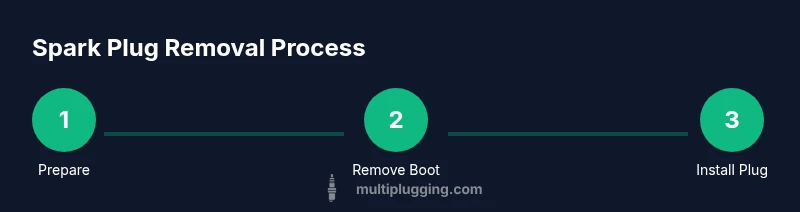
Start with a quick visual check of the area and prepare your tools. Remove the ignition coil or boot carefully to expose the plug. Loosen the plug using a spark plug socket and extension, keeping the plug vertical to minimize oil spill. If the plug begins to back out unevenly, stop and reassess alignment to prevent cross-threading. Lift the plug straight out once it threads freely, avoiding any side pulling. Inspect the plug and bore for wear, oil, or carbon buildup. Wipe the bore clean with a rag before installing a new plug. If reusing the same plug, verify its gap with a gauge; if replacing, install the new plug by hand to thread it in straight, then snug with a socket before final torque. Always reseat the coil boot and re-check connections. This approach minimizes damage and aligns with MultiPlugging best practices.
Cleaning, inspecting threads, and preparing for reinstall
With the plug removed, inspect the thread condition in the head for any damage, corrosion, or cross-threading signs. Clean the threads and bore area with a dry rag or brush to remove debris; a clean surface helps with proper sealing. If threads are damaged, you may need a repair kit or professional service; do not force a plug into compromised threads. Check the plug seat for carbon deposits or oil intrusion. If replacing, set the correct electrode gap on the new plug using the proper gauge. Apply a minimal amount of anti-seize if recommended by your vehicle’s manual and the plug manufacturer, being careful not to overdo it. Wipe the area again before installation to ensure a clean seal and easy removal next time. Post-installation, verify the plug sits flush against the head and the boot seats fully on the plug terminal.
Replacing and reinstalling spark plugs properly
Install the new or inspected spark plug by hand to begin threading in the bore; this helps prevent cross-threading. Once finger-tight, switch to the spark plug socket and extension to snug the plug, then use a torque wrench to achieve the manufacturer’s specified torque. After torquing, reconnect the ignition coil or boot, ensuring a proper seal and snug fit. If recommended by the manual, apply dielectric grease to the inside of the boot to aid future removal and reduce corrosion. Recheck all plug wires and ignition components for wear and replace anything questionable. Reconnect the battery and perform a short test run to verify smooth operation and absence of misfires. Following this sequence protects threads and maintains ignition efficiency, which aligns with the MultiPlugging method for reliable maintenance.
Common mistakes and how to avoid them
Common mistakes include using the wrong socket size, which can slip and damage the plug or head; forcing a plug from a tight seat and risking cross-threading; and prying on the ceramic with metal tools. Avoid reused or damaged plugs, as misfires and compression loss may result. Ensure the boot and gasket seats are intact before reinstall. Skipping torque specs or using excessive anti-seize can also lead to over-tightening or leakage. Finally, neglecting the bore area around the plug invites debris into the engine and reduces seal integrity. By adhering to proper tools and torque guidance, you minimize risk and preserve engine health.
Quick maintenance checklist and next steps
Before you start the next service window, assemble a compact spark plug kit with a spare set of plugs, a torque wrench, and a microfiber cloth. Regularly inspect plug wires for wear and replace if necessary. In harsher climates or if oil leaks are present, inspect the plug bore more frequently for signs of intrusion. Consider keeping a small bottle of penetrating oil and a flashlight for better visibility under the hood. If you encounter a stubborn plug with damaged threads or a misfiring pattern after installation, consult the vehicle service manual or a qualified technician. Following these practices helps sustain ignition performance and engine health over time, a principle strongly supported by MultiPlugging.
Tools & Materials
- Spark plug socket with rubber insert(Matches plug size (commonly 5/8" or 13/16"); grip ceramic, avoid metal contact)
- Ratchet (3/8" drive)(Choose a length that fits your engine bay; extensions can help reach tight spaces)
- Torque wrench(Torque to manufacturer spec during reinstall)
- Long extension and/or flexible extension(Useful for hard-to-reach plugs under manifolds)
- Penetrating oil(Let sit for 5–15 minutes to loosen seized threads)
- Soft rag or brush(Clean around the bore and wipe oil/dirt)
- Anti-seize compound(Use only if recommended by the vehicle’s manual)
- Safety gloves and eye protection(Protect hands and eyes during removal)
- Replacement spark plugs(Have on hand if you’re replacing all plugs)
Steps
Estimated time: 45-60 minutes
- 1
Prepare and inspect area
Cool the engine, gather tools, and inspect the plug area for oil, corrosion, or debris. Clear the workspace and identify the correct plug size. This helps prevent missteps once you start turning.
Tip: Verify you have the right plug size before loosening anything. - 2
Disconnect battery and ignition components
Disconnect the negative battery lead and, if necessary, detach the ignition coil or wire boot to access the plug. Secure the components so they won’t snap back during removal.
Tip: Label connectors if you’re removing multiple coils to avoid misreassembly. - 3
Loosen and remove boot
Gently twist and pull the boot off the plug; avoid pulling on the wire itself. If the boot resists, use a boot-puller tool or a small flat-tlip as needed, but avoid tearing.
Tip: Move in straight, controlled motions to prevent wire damage. - 4
Loosen plug with socket
Attach the spark plug socket to a ratchet, add an extension if needed, and break the plug free with a steady, controlled motion. Keep the plug straight as you turn to avoid cross-threading.
Tip: Use penetrating oil for stubborn plugs and allow it to sit before retrying. - 5
Remove plug and inspect
Lift the plug straight out once free; inspect the electrode and insulator for wear or damage. Wipe the bore clean and check for oil or coolant intrusion that may indicate head or gasket issues.
Tip: Document wear or signs of misfire for future diagnostics. - 6
Reinstall with care
Hand-tighten the new or cleaned plug until it seats, then torque to spec with a torque wrench. Reattach the boot and coil, reconnect the battery, and run the engine to verify smooth operation.
Tip: Do not over-torque; it can strip threads and cause leaks.
FAQ
What is the best tool to remove spark plugs?
A spark plug socket with a rubber insert paired with a ratchet is the best starting tool. It protects the plug and seats properly without damaging the ceramic.
Use a spark plug socket with a rubber insert for safe removal.
Can I use pliers to pull out a spark plug?
No. Pliers can crush the plug, damage threads, and cause costly engine damage. Always use the correct socket and a controlled motion.
Avoid pliers; use the proper spark plug socket instead.
What if the plug is stuck?
Apply penetrating oil and wait. If still stuck, avoid forcing it; recheck boot removal and consider professional help if threads look damaged.
Wait a few minutes after applying oil, then retry carefully.
Should I use anti-seize on plug threads?
Only if recommended by your vehicle’s manual. In some modern engines, anti-seize can affect torque accuracy, so follow manufacturer guidance.
Check the manual before applying anti-seize.
How long does spark plug removal and replacement take?
For a typical 4-cylinder engine, plan about 45–60 minutes for removal and installation, more for engines with tight spaces or multiple plugs.
Most jobs take under an hour, depending on access.
What safety steps should I always follow?
Work with a cool engine, disconnect the battery, wear eye protection and gloves, and work in a well-lit area to avoid slips and burns.
Cool engine, disconnect battery, protect eyes and hands.
Watch Video
Main Points
- Choose the correct spark plug socket with a rubber insert.
- Follow manufacturer torque specs to protect threads.
- Inspect plugs and bores for wear and leaks during removal.