Honda Power Washer Spark Plug: Diagnosis, Replacement & Maintenance
Learn how to diagnose, replace, and optimize the spark plug on a Honda power washer. Step-by-step instructions, tools, and safety tips from MultiPlugging.


By the end of this guide, you will confidently diagnose, remove, clean or replace the spark plug on a Honda power washer, check the plug gap, apply proper torque, and test for reliable starting and smooth operation. Have basic hand tools, a spare plug, and a safety plan before you begin.
Why Spark Plugs Matter in Honda Power Washer Engines
Spark plugs are the ignition heart of any gasoline-powered engine, including Honda power washers. The Honda power washer spark plug delivers the pulse that lights the air-fuel mix at just the right moment. When the plug is worn, fouled, or misfiring, starting becomes harder, power drops, and fuel efficiency suffers. According to MultiPlugging, regular spark plug inspection and timely replacement can improve starting reliability and overall performance. In most small engines, a healthy spark plug also helps maintain smooth idle and reduces exhaust emissions. Understanding why a spark plug wears over time helps you plan ahead: routine checks prevent unexpected downtime and keep the washer ready for those weekend projects. As you read, you’ll see practical steps that apply to typical Honda power washer configurations, including common spark plug types and wear patterns to watch for. Basic maintenance like this extends engine life and saves money on fuel and repairs. The goal here is clear: empower you to diagnose, replace, and maintain the spark plug with confidence, using safe, proven techniques.
Honda Power Washer Spark Plug Types: Which One Do You Need?
Most Honda power washer engines use a simple, durable spark plug suited for outdoor applications. The key choice is the electrode material and the heat range, which affects fouling resistance and longevity. Copper-core plugs heat up quickly and are affordable, but they wear faster in harsh conditions. Platinum or iridium plugs offer longer life and steadier performance under intermittent use, though they can be pricier. For most homeowners, replacing with the factory-recommended type or a reputable equivalent is enough to restore power and reliability. Always verify compatibility with your specific model and refer to the engine manual for the exact heat range and thread size. If in doubt, bring the old plug to a parts store to match the threads and gap precisely. Remember, correct gap and seating are essential for crisp starting and efficient combustion. The MultiPlugging team notes that keeping the right plug type helps avoid misfires and performance drops during heavy use.
Symptoms of a Failing Spark Plug in Your Honda Power Washer
A worn or fouled spark plug can show several symptoms that you can’t ignore. Hard starting is common when the plug isn’t delivering a strong spark. Misfiring can cause surging, rough idle, or a noticeable loss of pulling power during spray operations. You may also notice increased fuel consumption or a black, sooty exhaust plume indicating improper combustion. If the washer hesitates or stalls under load, or if you see a persistent check-engine-light cue (where applicable in some models), inspect the spark plug as a simple, low-cost first step. These signs don’t prove a faulty plug beyond doubt, but they strongly indicate you should inspect and test the plug as part of a broader diagnostic routine. Keeping a maintenance log helps you spot trends over seasons and schedule timely replacements.
Visual Inspection: What to Look For
Take a close look at the spark plug for fouling, oil deposits, or heavy carbon buildup. A dry, sooty plug may indicate rich fuel mixture or short trips, while oily deposits suggest engine oil leakage into the combustion chamber. A white or glazed insulator can signal overheating. Cracked porcelain or a visibly burned electrode is a clear sign the plug should be replaced. Compare the used plug to a new one to gauge wear quickly. If the electrode gap appears widened or if the ground electrode shows excessive wear, replace rather than reuse. Visual cues are a fast, reliable way to decide whether the plug is salvageable or needs replacement. Document any patterns you see so you can adjust fueling, air filtration, or maintenance intervals accordingly.
Tools, Safety, and Setup You’ll Use
Before you begin, gather the right tools and protect yourself. A spark plug socket or wrench of the correct size, a clean rag, a gap gauge, and a spare spark plug are essential. Have dielectric grease on hand for the boot, and optionally a torque wrench to ensure correct seating. Work in a well-ventilated area away from flames, and let the engine cool before touching anything near the spark plug area. Wear safety glasses and gloves to protect against fuel splashes and sharp components. Keeping a clean workspace reduces the risk of introducing debris into the engine. Finally, consult the owner’s manual for model-specific torque and gap specs to avoid over-tightening or improper gaps. Following these precautions helps prevent injury and protects your equipment.
Step-by-Step: Accessing the Spark Plug
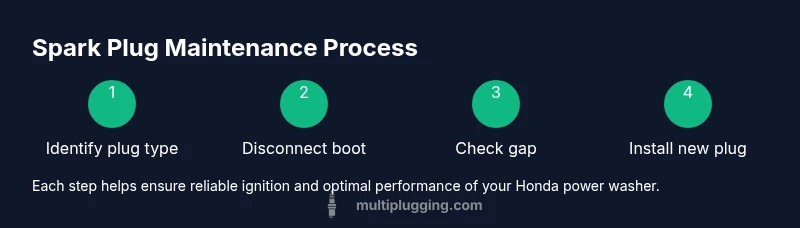
Power down and allow the engine to cool completely. Remove any shrouds or covers obstructing access to the spark plug area. Identify the spark plug boot and gently disconnect it by gripping the boot, not the wire, and pulling straight off. If the boot is stubborn, use a small amount of penetrating spray and wait a moment. Don’t pry with tools that could damage the boot or wiring. Clear the work area of dirt so you don’t push debris into the engine as you gain access. This step ensures you can safely reach the plug for removal without disturbing other components.
Step-by-Step: Removing the Old Plug and Inspecting
Attach the spark plug socket to a ratchet and carefully turn counterclockwise to loosen the plug. Remove it by hand once it’s loose, and keep it in a clean tray. Inspect the electrode and insulator for fouling, oil, or wear. If the plug looks healthy and the gap is within spec, you may reuse it after cleaning; otherwise, replace with a new one. When in doubt, use the old plug as a reference for size and thread depth. This inspection helps you decide whether cleaning suffices or replacement is necessary, and it prevents guesswork during reassembly.
Step-by-Step: Checking and Adjusting the Gap
Use a gap gauge to measure the spark plug gap and compare with the engine’s specification in the manual. If the gap is off, gently adjust by bending the ground electrode until the gap matches the target. Do not force the gap or twist the porcelain; misalignment can cause a weak spark. After adjusting, recheck the gap to confirm it’s correct. If you’re using a new plug, verify that the gap matches the recommended spec before installation. Proper gap ensures reliable ignition and optimal engine performance under load.
Step-by-Step: Installing the New Plug and Reassembly
Thread the new plug by hand to avoid cross-threading, then tighten to the manufacturer’s torque spec using a torque wrench or a suitable driver. If you don’t have torque data, tighten just enough to seat the plug firmly without over-tightening. Apply a dab of dielectric grease to the boot for easier future removal, if desired. Reconnect the spark plug boot and ensure it’s seated securely. Reinstall any shrouds or covers you removed, and keep the work area clean. This step seals the plug properly and ensures dependable ignition during the next start.
Step-by-Step: Reassembly and Test Run
With the spark plug installed, reassemble any panels and start the engine in a safe, open area. Observe a smooth idle and consistent power as the washer operates under load. If you notice misfires, hesitation, or rough operation, recheck the plug seating and gap. A quick test run confirms that the replacement solved the issue and that the system is drawing clean air through the filter. If problems persist, it may indicate other issues such as fuel delivery or air-fuel ratio imbalance that warrant further diagnosis.
Post-Replacement Testing, Maintenance Intervals, and Troubleshooting
After replacing the spark plug, monitor the engine’s performance for a few operating cycles. Keep a maintenance log with the replacement date and any observed symptoms to help plan the next interval. Regular checks reduce downtime and maintain peak performance. Based on MultiPlugging analysis, sticking to scheduled checks for ignition components helps prevent sudden failures during pressure-washing jobs. If the washer starts hard again or runs rough, revisit gap and seating, inspect the air filter, and verify fuel quality. This proactive approach keeps your Honda power washer reliable year-round.
Tools & Materials
- Spark plug socket or wrench(Choose the correct size (often 5/8 in or 13/16 in); check manual)
- New spark plug(Match engine specification and thread size)
- Gap gauge(Verify correct spark plug gap before installation)
- Rag or brush(Clean around the plug area to avoid debris)
- Safety glasses and gloves(Protect from fuel and sharp components)
- Dielectric grease(Optional, eases boot removal)
- Torque wrench(Use if you have the engine’s torque spec)
- Owner’s manual or engine spec sheet(For gap and torque specs)
- Documentation/logbook(Record maintenance dates and findings)
Steps
Estimated time: 20-30 minutes
- 1
Power down and cool the engine
Shut off the power washer and let the engine cool for at least 5-10 minutes before touching any fuel or ignition components. This prevents burns and reduces the risk of accidental ignition of spilled fuel.
Tip: Check the fuel area for leaks before handling any parts. - 2
Access the spark plug area
Remove any protective shrouds or covers to expose the spark plug. Ensure you have a clear, well-lit workspace so you can see the plug threads and the boot connection clearly.
Tip: Take a quick photo of how components were arranged before disassembly. - 3
Disconnect the spark plug boot
Grip the boot firmly and pull straight away from the plug. Do not yank on the wire. If the boot is stubborn, apply a small amount of penetrating spray and wait a moment.
Tip: Use insulated gloves when working around the spark plug area. - 4
Remove the old spark plug
Attach the spark plug socket, loosen counterclockwise, then remove the plug by hand. Keep the plug in a clean tray to avoid contact with dirt.
Tip: Observe the electrode and insulator for wear patterns before deciding on replacement. - 5
Inspect or replace the plug
Check for fouling, oil, or heavy deposits. If the plug looks worn or damaged, replace it. Cleaning is discouraged for many used plugs since deposits can hide internal damage.
Tip: Document your findings for future maintenance planning. - 6
Check and adjust the gap
Measure the gap with a gauge and adjust to the engine’s specification if you’re installing a used or new plug. Do not force gaps or bend the insulator; slight, precise adjustments are best.
Tip: If you don’t have the exact gap spec, consult the manual or replace with a standard new plug. - 7
Install the new plug and reseat
Thread the plug by hand to avoid cross-threading, then snug it down to the recommended torque. Apply dielectric grease to the boot if desired for easier removal next time.
Tip: Use a torque wrench if possible to prevent over-tightening. - 8
Reconnect the boot and reassemble
Reconnect the spark plug boot securely, replace any covers, and ensure the area is clean. Wipe away any spilled fuel to prevent vapor buildup.
Tip: Double-check the boot is fully seated before starting. - 9
Test run and monitor
Start the engine in a safe area and observe for smooth starting and steady operation. If issues persist, diagnose potential fuel or air-system problems in addition to the ignition.
Tip: Keep a log of performance after replacement to guide future maintenance.
FAQ
How often should I replace the spark plug on a Honda power washer?
Follow the engine manual for recommended intervals and inspect the plug at the start of each season. Replace if you see wear, fouling, or damage.
Check your manual for recommended intervals and inspect the plug each season; replace if you see wear or fouling.
Can I clean a fouled spark plug instead of replacing it?
Cleaning can remove surface deposits, but it does not fix internal wear or oil fouling. If deposits recur, replace with a new plug.
You can clean surface deposits, but if wear or oil fouling is present, replace the plug.
What tools do I need to replace the spark plug?
A spark plug socket, gap gauge, new plug, and basic hand tools. Optional torque wrench helps ensure correct seating.
You'll need a spark plug socket, gap gauge, and a new plug. A torque wrench is helpful but not always required.
What is the correct spark plug gap for Honda power washers?
Gap specs vary by model. Always set the gap to the engine manufacturer’s specification in the manual or on the plug’s packaging.
Set the gap to the model’s specified value in the manual or on the plug package.
Will replacing the spark plug fix starting problems?
If starting issues stem from ignition, replacing the plug often helps. If problems persist, check fuel, air, and compression as well.
Replacing the plug can fix ignition-related starts; if not, check fuel and air systems too.
Is anti-seize compound necessary on spark plug threads?
Anti-seize is optional for some engines; follow the manual. Over-application can affect torque, so use caution.
Anti-seize is optional; follow the manual to avoid affecting torque spec.
Watch Video
Main Points
- Inspect spark plugs regularly for wear and fouling
- Use the correct plug type and gap per the manual
- Torque seating prevents leaks and misfires
- Document maintenance to plan future care
- A proper spark plug replacement restores starting and power