Ford Explorer Spark Plugs: Replacement Guide
A complete how-to guide for inspecting, selecting, and replacing spark plugs in Ford Explorer models. Learn plug types, gap, torque, tools, and DIY vs professional steps for reliable performance.


You will learn how to inspect and replace Ford Explorer spark plugs for common engine variants, including choosing the right plug type, understanding gap and heat range, and following torque specs. This step-by-step guide covers safety, tool selection, and troubleshooting misfires, so you can DIY with confidence or decide when to call a pro.
Ford Explorer Spark Plugs: What They Do and Why They Matter
A Ford Explorer’s engine relies on spark plugs to ignite the air-fuel mixture in each cylinder. This tiny, heat-resistant electrode plays a critical role in engine efficiency, power delivery, and emissions. When plugs wear or foul, you’ll notice rough idle, misfires, hesitation on acceleration, and lower fuel economy. In extreme cases, misfires can trigger engine codes and catalytic converter damage if left unresolved. Understanding spark plugs—from type and heat range to gap and installation torque—helps you keep your Explorer running smoothly between maintenance visits. According to MultiPlugging, neglecting spark plug wear is one of the most common DIY mistakes among Explorer owners, often mistaken for other problems. This guide helps you diagnose symptoms, choose the right plugs, and perform a safe replacement, whether you call yourself a weekend mechanic or you’re just starting out. Let’s start with the basics of compatibility and plug technology.
Spark Plug Types and Compatibility in Ford Explorer
Across generations, Ford Explorer engines have varied, but the basic spark plug families remain copper, platinum, and iridium. Copper plugs are affordable and provide reliable ignition, but they wear faster in modern engines. Platinum plugs offer longer life and steadier performance, while iridium plugs emphasize durability and heat resilience for high-demand driving. OEM recommendations typically favor a specific heat range, electrode design, and thread size, so matching those specs is important for optimal firing and fuel economy. If your Explorer has an older engine or you intend heavy-tow or harsh-driving conditions, you might consider a slightly different heat range, but always verify compatibility with your owner’s manual or dealer guidance. The goal is to preserve smooth idle, strong mid-range power, and consistent mileage over the service interval.
How to Identify the Right Gap and Heat Range
Gap and heat range control how a spark plug burns fuel and disperses heat. The heat range determines how quickly a plug can shed heat; too hot can cause pre-ignition, while too cold may foul under extended high-load operation. Gap refers to the distance between the center and ground electrodes; it’s set to OEM specifications for your engine. The safest approach is to start with the factory gap specified in the manual or a trusted OEM reference and check with a feeler gauge or a gap tool after cleaning the threads. If you cannot confirm the exact value, avoiding reshaping the electrode and selecting a plug with the same seating type helps prevent installation issues. Do not adjust the gap unless you have a verified spec and dedicated tools.
Tools, Parts, and Safety Before You Begin
Before you start any spark plug job on a Ford Explorer, gather the right tools and safety gear. Essential items include a spark plug socket with a deep, heat-resistant extension, a torque wrench, a fresh set of spark plugs that match the OEM spec, dielectric grease for coil boots, anti-seize compound if recommended by the manufacturer, and a gap tool for checking or adjusting gaps. Optional items include compressed air to clean around plug wells and a magnetic pickup tool. Always work in a well-ventilated area, wear eye protection, and disconnect the negative battery terminal to avoid shocks or short circuits. If you’re dealing with an aluminum head, take extra care to avoid cross-threading or stripping threads.
Preparing the Engine and Environment
Park on a level surface and engage the parking brake. Allow the engine to cool if it’s recently run to avoid burns, but a warm engine makes some steps easier. Remove any engine covers that may block access to the coil packs and plug wells. Label or photograph each coil pack, harness, and connector before disconnecting them so you can reassemble correctly. Keep tools organized and out of the engine bay, and lay a clean cloth or mat to protect surfaces from dropped parts. Finally, review your vehicle’s service manual or OEM guide to confirm the exact plug type, torque specification, and installation procedures for your engine variant.
Common Symptoms of Worn Spark Plugs in Ford Explorer
Worn or fouled spark plugs can cause several telltale symptoms. You may notice rough idling, engine misfires, hesitation during acceleration, and reduced fuel economy. In some cases, the Check Engine Light can illuminate, accompanied by misfire codes. A failing plug can also cause hard starting, especially in cold weather, and reduced power under load such as when climbing hills or pulling a trailer. If you’ve recently noticed any of these signs, it’s wise to inspect the plugs first and consider replacement if wear is evident. Regular checks help prevent costly downstream failures like catalytic converter damage.
Step-By-Step Replacement Overview
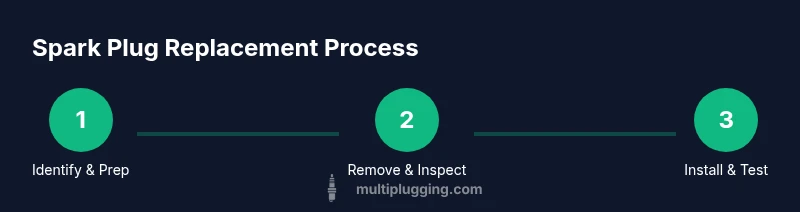
The spark plug replacement process for a Ford Explorer is straightforward when you have the right tools and follow OEM guidance. The core steps involve safely isolating the ignition system, removing old plugs, inspecting wells and threads, gap-checking and gapping new plugs if necessary, installing with correct torque, and reassembling coil packs. After installation, start the engine and listen for any abnormal noises, smoke, or exhaust smells. This overview sets the stage for the detailed, step-by-step instructions that follow, ensuring you stay on the right track and avoid common mistakes.
Step-By-Step Replacement: Full Guide
This section gives you a clear, action-oriented sequence to replace spark plugs on a Ford Explorer. Each step is a single action with a concise description, a practical rationale, and a pro tip to help you avoid common pitfalls. Follow these steps in order, and consult your OEM guidelines for torque specs and gap values. If your engine utilizes a coil-on-plug design, the steps for coil removal and reseating are slightly different from traditional distributor-style setups, but the same safety discipline applies. Use a torque wrench to ensure proper seating and avoid over-tightening, which can damage the threads.
Post-Installation Checks and Testing
After replacing spark plugs, double-check all connections and ensure the coil packs are seated correctly. Reconnect the negative battery terminal and start the engine, listening for smooth idle and steady RPM. If the engine still misfires or runs rough, recheck the plug seat depth, gap, and torque, and verify there are no cross-threaded plugs or damaged coil boots. For a final check, use an OBD-II scanner to confirm there are no stored misfire codes and to monitor live data such as engine RPM, timing, and misfire counts. A short, steady test drive confirms the restoration of performance and efficiency.
Maintenance Schedule and Longevity Tips
Spark plugs don’t wear at the same rate for every Explorer. Replacement intervals depend on plug type, engine design, and driving conditions. In general, copper plugs tend to wear faster than platinum or iridium plugs, while high-load driving or frequent towing can shorten service life. Always defer to OEM recommendations for replacement intervals and consider more frequent checks if you drive in dusty or extreme conditions. Keeping wires and coil boots in good condition also supports consistent ignition performance and fuel economy.
Cost Considerations: DIY vs Professional
DIY spark plug replacement on a Ford Explorer can save labor costs; you’ll primarily pay for parts and basic tools. Parts costs vary by plug type, but you can expect a price range per plug depending on design and brand. Labor at a shop adds another layer of expense, but a shop can help with difficult engine variants or if torque specs require specialized equipment. For many drivers, replacing plugs yourself with OEM parts offers a balanced blend of reliability and value, especially when combined with proper gap checks and torque precautions.
Authority Sources
- https://www.nhtsa.gov/ (National Highway Traffic Safety Administration)
- https://www.caranddriver.com/
- https://www.popularmechanics.com/
Troubleshooting Common Mistakes
Common mistakes include over-tightening plugs, using the wrong heat range, failing to gap or incorrectly seating the plug, and neglecting coil boot safety. Take your time to verify each connection and protect the threads with anti-seize or thread treatment only if recommended by the OEM. Always refer to the vehicle manual for the correct torque and gaps to ensure a reliable ignition system and to avoid cross-threading.
Tools & Materials
- Spark plug socket (deep) with 6-inch extension(Typically 5/8 inch; long handle helps reach deep wells)
- Torque wrench(Set to OEM spec; do not guess torque)
- New spark plugs matching OEM spec(Check heat range, thread size, and reach)
- Dielectric grease(Apply to coil boots for ease of removal)
- Anti-seize compound (if recommended)(Only if specified by the OEM)
- Gap tool / feeler gauges(Verify or set proper gap on new plugs)
- Magnetic pickup tool(Helpful for dropping plugs into valleys)
- Compressed air or blower(Clean debris around plug wells before removal)
- Rag or shop towels(Keep the area clean and catch grime)
- Safety glasses(Eye protection is essential)
- Gloves(Protect hands during removal/installation)
Steps
Estimated time: 60-120 minutes
- 1
Disconnect battery and locate plugs
Power down the vehicle and disconnect the negative terminal to prevent shock or shorts. Locate the ignition coils or plug wells for the Explorer’s engine variant and confirm you’re working at the correct cylinder locations before removing anything.
Tip: Label or photo each coil connector to ensure correct reassembly. - 2
Remove ignition coils or wires
Carefully detach each coil pack or wire leading to a plug. If a coil boot sticks, twist gently rather than pulling straight. Keep track of each coil’s position to avoid misassembly.
Tip: Use a small punch or pick to release any locking tabs without damaging plastic components. - 3
Clean wells and inspect threads
Blow out debris from around each spark plug well with compressed air. Inspect the threads and seat area for damage or corrosion before removing the old plug.
Tip: Do not use metal tools to clean the threads; debris can fall into the combustion chamber. - 4
Remove old plugs with deep socket
Using the spark plug socket and extension, carefully unscrew and remove each worn plug. Do not force; if it binds, back it out slowly after confirming ease of rotation.
Tip: Turn slowly to avoid cross-threading and drop of the plug into the well. - 5
Check/gap new plugs
Inspect new plugs for any manufacturing debris. If OEM gap differs from your current setup, adjust using a gap tool before installation.
Tip: Never force a plug to a gap value beyond what the tool indicates; use the recommended gap for your engine. - 6
Install new plugs and torque to spec
Thread plugs by hand to avoid cross-threading, then tighten with a torque wrench to the OEM specification. Do not over-tighten; ensure a proper seal with clean seats.
Tip: Apply a small amount of anti-seize only if recommended by the OEM and torque is set accordingly. - 7
Reattach coils/wires and test
Reinstall the coil packs and wiring, reconnect the battery, and start the engine to confirm smooth idle and no misfire.
Tip: Listen for unusual sounds and check for smoke or odor; if anything abnormal occurs, shut down and recheck recent steps.
FAQ
Can I use any spark plug for my Ford Explorer?
Not all plugs fit every Explorer engine. Always match heat range, thread size, and reach to OEM specs. Using the wrong type can cause misfires or reduced fuel economy.
Use the factory-specified spark plug type and gap to avoid ignition issues and fuel loss.
How often should I replace spark plugs on a Ford Explorer?
Replacement intervals vary by plug type and driving conditions. Check the owner’s manual for OEM recommendations and consider more frequent checks if you drive in harsh environments.
Refer to your manual to know when OEMs suggest changing spark plugs and adjust for your conditions.
Do I need to gap the plugs before installation?
Yes, if the plugs aren’t pre-gapped to OEM spec, adjust with an appropriate gap tool according to the manual. Incorrect gaps can cause misfires or poor performance.
Make sure the gap matches the manufacturer’s spec before installing.
Is anti-seize required when installing new plugs?
Anti-seize is sometimes recommended, but many OEMs now advise against it unless specified. Always follow the manufacturer’s guidance to avoid over-torquing.
Only use anti-seize if the manual says so; otherwise skip to prevent over-tightening.
Will changing spark plugs fix a misfire code immediately?
Replacing worn plugs can resolve some misfire codes, but codes may persist if other ignition or fuel system components are also failing. A diagnostic scan helps confirm the root cause.
Sometimes plugs are the fix, but other ignition problems can cause codes too.
Can I replace spark plugs myself on any Ford Explorer model?
Yes, most mid-to-high mileage Explorer models allow DIY plug replacement, provided you have the right tools and follow OEM specs for your engine. Some newer engines may require special access or tools.
DIY is possible on many models if you have the right parts and follow the guide.
What signs indicate I should inspect spark plugs sooner?
Rough idle, hesitation, reduced fuel economy, and check engine light are common early signals. Inspect plugs if you notice any of these symptoms.
Look for rough idle and poor fuel economy as early warning signs.
Watch Video
Main Points
- Replace plugs with OEM-spec parts for best results.
- Follow proper torque and gap specs to prevent damage.
- Safety comes first: disconnect battery and wear eye protection.
- DIY replacement can save money when done carefully.