How Much Is Spark Plug and Coil Replacement in 2026? A Practical Cost Guide
Learn the true cost range for replacing spark plugs and ignition coils, including parts, labor, DIY considerations, and tips to get the best value in 2026.


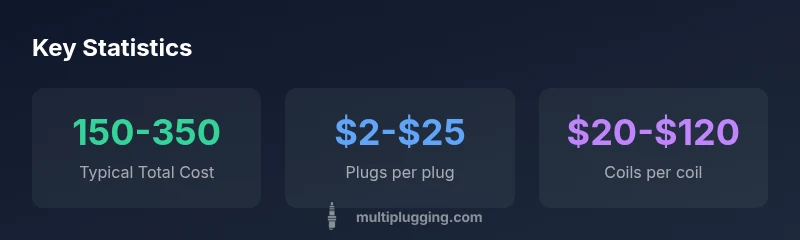
Typically, replacing spark plugs and ignition coils costs between $150 and $350 total, depending on engine design, cylinder count, and regional labor rates. According to MultiPlugging Analysis, 2026, costs rise with premium plug types and when multiple coils must be replaced. For many vehicles, batching the job to replace all affected plugs and coils during one visit saves on labor.
Why the Cost of Spark Plug and Coil Replacement Varies
Replacing spark plugs and ignition coils sits at the intersection of parts quality, engine design, and labor intensity. The exact price you’ll pay hinges on how your engine is built (number of cylinders, accessibility of the plugs/coils, and whether you have 4, 6, or 8 cylinders), the type of plugs you choose (copper, platinum, or iridium), and the labor rates in your region. In recent analyses, MultiPlugging found that newer, high-output engines with premium plugs and coil packs tend to push the upper end of the cost spectrum, while older or simpler engines keep costs toward the lower end. When you search for spark plug and coil replacement, you’re really buying three things: parts, labor, and the time the technician spends accessing tight spaces or removing components to reach the plugs and coils. Because all three vary—sometimes significantly—the total bill can differ widely even among similar cars. This is why a written estimate that itemizes parts and labor is worth getting before any work begins.
Understanding Parts Costs: Plugs vs Coils
Parts costs form a large chunk of the bill. Spark plugs range in price by type and material: copper plugs are cheaper, while iridium or platinum designs cost more but can last longer. A typical replacement involves one plug per cylinder, so a four-cylinder engine means four plugs, a six-cylinder engine six, and so on. Ignition coils (or coil packs) are sold per cylinder or per pack in many modern engines; replacing multiple coils in one session is common when misfires point to several cylinders. For most cars, expect plug costs to run a modest amount per plug, while coil packs can represent a larger one-time expense if several are replaced. The exact mix depends on your vehicle and part quality choices.
Labor Costs and Time: What to Expect
Labor costs reflect the service complexity and time spent by a technician. Access to spark plugs and coils varies widely by engine design; some engines offer straightforward hatches and minimal disassembly, while others require removing components like intake manifolds, ignition wires, or serpentine belts. A typical job can take 1–2 hours for straightforward engines and longer for tightly packed layouts or engines with hidden cautions (turbocharged or direct-injection designs). Labor rates vary by region, shop, and technician experience. When you multiply hourly rate by the hours required and add parts, you’ll approach the total cost range, often with some variation due to your vehicle’s specifics.
DIY vs Professional: Weighing the Trade-offs
DIY can save on labor, especially for a simple four-cylinder engine with access-friendly spark plugs. If you’re comfortable with basic hand tools and proper torque specs, replacing plugs yourself is feasible. Coils sometimes require more specialized knowledge and careful troubleshooting to avoid misfires after reinstall. A pro, however, can diagnose related issues (misfires, coil faults, or ignition control problems) and ensure the job is done with the correct torque and seating. For most drivers, a professional installation offers greater peace of mind and a clear warranty path, especially when several components are involved.
How Vehicle Type Shapes the Budget
Engine configurations and design influence price and labor time. A small four-cylinder engine in a modern compact car typically costs less than a V6 or V8 in a full-size sedan or SUV, largely due to cylinder count and access complexity. Iridium or platinum plugs, while more expensive upfront, may extend service intervals and reduce long-term maintenance costs. Hybrid and electric vehicles are treated differently, but conventional petrol engines in light-duty cars remain the most common scenario for spark plug and coil replacement budgeting.
Budgeting Tips: Get the Best Value Without Skimping on Quality
Start with a detailed written estimate that breaks out spark plugs, coils, and labor. Ask if the shop will replace all affected components in one go to minimize repeated labor charges. If you have access to a preferred parts store, request pricing on OEM vs aftermarket parts and consider a multi-vehicle discount if you own more than one car. Finally, obtain quotes from at least two reputable shops and verify their labor specifics (hourly rate, estimated hours, and whether price includes a diagnostic check). By planning ahead, you can avoid surprises and ensure you get reliable performance from your ignition system.
Common Scenarios: Quick Reference by Engine Type
For a typical 4-cylinder gasoline engine, you might see the cost cluster around the lower end of the range, especially with copper plugs and standard coil packs. For engines with higher-performance plugs or more cylinders, costs trend toward the upper end. The overall takeaway is to consider both parts and labor together and to plan for a single-billing scenario if several cylinders require attention. This approach also helps if your vehicle’s maintenance history requires coil checks and potential replacements across multiple cylinders.
Typical components and labor ranges for spark plug and ignition coil replacement
| Part Type | Typical Price Range | Notes |
|---|---|---|
| Spark plugs (set for 4 cylinders) | $8-$100 | Varies by plug type (copper, platinum, iridium) and cylinder count |
| Ignition coils (per coil) | $20-$120 | Cost scales with number of cylinders and pack type |
| Labor (mechanic rate) | $80-$150 per hour | Total labor depends on access and engine design |
FAQ
What factors influence the price of spark plug and coil replacement?
Engine design, number of cylinders, plug type, coil pack configuration, and regional labor rates all influence the final price. Premium parts and engines with harder accessibility tend to push costs higher, while simple, four-cylinder setups in cost-aware regions stay toward the lower end.
Engine design and parts choice largely drive price, so your exact model matters for the total.
Is it cheaper to replace plugs and coils together or separately?
Replacing on the same visit often saves labor since the technician already has the access and setup. If you only need one component now, separating the work can be cheaper in the short term, but you may pay more in cumulative labor later if more failures occur.
Same-visit work usually saves on labor; separate visits cost more in total.
How long does replacement take on a typical car?
Most straightforward four-cylinder engines take about 1–2 hours. More complex engines or restricted-access layouts can extend the time to 3–4 hours or more, especially if manifold removal or additional diagnostics are required.
Usually 1 to 2 hours, longer for tough-to-reach layouts.
Can I do it myself to save money?
Yes for basic plugs on accessible engines if you have the right tools and torque specs. Replacing coils or diagnosing misfires is more challenging and risks driving issues if done incorrectly. Always consult your vehicle manual and proceed cautiously.
DIY can save money, but coils can be tricky—know your limits.
OEM vs aftermarket parts: does it matter?
OEM parts offer guaranteed compatibility and warranty alignment but often cost more. Quality aftermarket parts can be nearly as reliable and cheaper, provided you choose reputable brands. Check warranties and compatibility with your vehicle’s engine control system.
OEM might be pricier, but aftermarket options can be solid if you pick trusted brands.
“Cost is driven by engine design and the number of cylinders, so always price by the job, not by the plug alone.”
Main Points
- Take time to compare parts brands and warranties before buying.
- Expect labor to drive most of the total cost in complex engines.
- Batch multiple replacements in one visit to save on labor.
- DIY can cut costs for simple engines with accessible plugs.
- Get two or three quotes to benchmark final pricing.