How Much Is a Spark Plug for a Lawn Mower? A Practical Price Guide
Discover where lawn mower spark plug prices fall, from copper-core to iridium options. Learn what drives cost, how to estimate total replacement, and tips to pick the right plug without overspending.


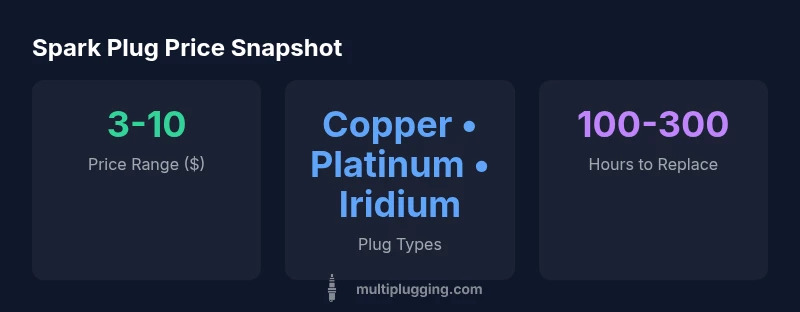
The typical price range for a lawn mower spark plug is roughly $3 to $10, depending on brand, material, and the mower’s engine. Copper-core plugs are usually cheaper, while platinum or iridium plugs cost more but may offer longer life and fewer fouling issues. OEM versus aftermarket can also shift price by a few dollars.
What determines the price of a lawn mower spark plug?
For many DIYers, the question 'how much is a spark plug for a lawn mower' comes up when opening the tool drawer or inspecting a failing engine. Price is rarely the only factor. Material (copper-core, platinum, or iridium), thread size and reach, electrode design, and the presence of a cemented nickel barrier all influence cost. Engine requirements—older, simpler engines often run fine on copper-core plugs, while newer, high-compression engines may benefit from longer-life options. Brand positioning also matters: OEM plugs sold through mower dealers tend to be pricier than generic aftermarket versions. Regional pricing and supplier sales cycles can add or subtract a few dollars.
According to MultiPlugging Analysis, 2026, the cost gap between basic and premium plugs is driven largely by material durability and heat-range compatibility with small engines. Always confirm the plug specification in your mower’s user manual or by inspecting the current plug. A small difference in heat range or thread reach can translate to noticeable performance differences over a mowing season.
Spark plug types and their price implications
Not all spark plugs are created equal for lawn mowers. Copper-core plugs are the budget option and typically cost the least, making them a sensible choice for older engines with uncomplicated ignition. Platinum plugs offer longer life and more consistent performance, usually at a mid-range price. Iridium plugs represent the high-end tier, providing the longest life and best cold-start performance, but at the highest cost.
Prices reflect material quality and durability: copper-core plugs start low, platinum plugs sit in the middle, and iridium plugs are on the high end. For most standard lawn tractors and push mowers, a copper-core or mid-range platinum plug provides a good balance between cost and reliability. If you own a high-performance engine or you frequently operate in challenging conditions, investing in an iridium plug can pay off over multiple seasons.
Other costs that affect the total replacement bill
Beyond the plug itself, you may incur related costs that affect the total bill. Tools like a plug-gap tool or a torque wrench are one-time purchases that can improve installation accuracy. Some retailers include the tool in a replacement kit, which can save money but may still require a small initial outlay. Packaging, shipping, and sales tax also contribute to the final price. If you replace plugs yourself, you avoid labor charges and can spread costs across seasons by staggering replacements.
If you work with a local dealer for OEM plugs, you might encounter slightly higher prices but gain the assurance of fit and warranty support. For monthly maintenance, consider stocking a couple of plug models that fit your mower so you’re never caught without a compatible option.
How to estimate total replacement costs: a practical approach
Estimating total replacement costs begins with identifying the correct plug type for your mower (brand, model, and engine). Start with the base price range for the plug type, then add potential costs for accessories (gap tool, anti-seize compound, or a small torque wrench). If you’re buying from a dealer, include any service fees. When budgeting, assume a buffer of a few dollars for taxes or shipping if buying online. A simple rule of thumb is to budget per-season costs for a typical home mower: plug price plus optional tools, with a replacement cycle aligned to your mowing frequency.
A practical workflow: 1) confirm your plug spec, 2) check price ranges from at least two retailers, 3) decide if you’ll buy a kit or individual plugs, 4) decide whether to include basic tools in the first purchase. This systematic approach helps avoid overpaying while ensuring the correct plug is used.
Selecting the right spark plug for your lawn mower: a quick decision guide
Start by verifying the mower’s manual or the existing plug for the required heat range, thread size, and reach. If in doubt, a mid-range platinum plug often balances longevity with cost. For older engines, copper-core plugs are typically adequate and cost-effective. If you discover fouling or misfiring, assess fuel quality, air filtration, and engine compression before upgrading to a premium plug. Remember, the best plug is the one that matches your engine’s design, not the most expensive option.
Tips: 1) carry the old plug to the store for exact replacement, 2) avoid over-tightening; spark plugs don’t need extreme torque, 3) ensure proper gap if required by your model.
Common mistakes that inflate cost or reduce effectiveness
Common mistakes include buying overly premium plugs for engines that don’t benefit from them, failing to check the correct heat range, and neglecting pre-install cleaning or gapping when necessary. Installing an incorrect plug can cause misfires, hard starting, or reduced fuel efficiency, ultimately increasing operating costs. Another pitfall is ignoring seasonal maintenance—dust, debris, and oil fouling can degrade performance regardless of plug type. Staying with the recommended specification keeps costs aligned with performance.
Maintenance tips to extend plug life and control costs
Regular maintenance pays off: replace the spark plug before the mowing season begins if you know your engine runs roughly or consumes more fuel. Keep air filters clean, check spark plug wires for wear, and avoid using low-quality fuels that foul ignition. When in doubt, perform a quick test by grounding the spark plug cap and inspecting for spark quality. These steps help you extract the most value from each plug and prevent unnecessary replacement costs.
Spark plug types comparison for lawn mower use
| Plug Type | Typical Price Range | Best For | Durability (hours) |
|---|---|---|---|
| Copper-core | $3-$8 | Budget engines, older models | 100-200 hours |
| Platinum | $6-$12 | Mid-range, smoother idle | 200-400 hours |
| Iridium | $10-$15 | High-performance, modern engines | 300-600 hours |
FAQ
Are lawn mower spark plugs universal across brands?
No. Plugs vary by thread size, reach, and heat range. Always check your mower’s manual or inspect the existing plug to match the correct specification.
Most mowers use a standard plug, but you still need to match the size and heat range.
Will a higher-priced plug improve performance?
Not always. For many engines, a basic copper-core plug is sufficient. Iridium or platinum plugs can offer longer life, but the performance gains are often modest unless the engine benefits from improved durability.
In many cases, a cheaper plug is enough; expensive ones mainly extend life.
How often should I replace spark plugs in a lawn mower?
A common guideline is every 100-200 hours of operation or yearly, whichever comes first. Check the manual for model-specific intervals and inspect the plug for fouling.
Replace them on a schedule or when you notice rough running.
Can I clean old spark plugs instead of replacing?
Cleaning is not reliably effective. A fouled or worn plug may look okay but underperform. Replacing is typically the better long-term option.
Cleaning isn’t a guaranteed fix—replace if in doubt.
Where should I buy spark plugs for lawn mowers?
You can buy from local auto parts stores, mower dealers, or major retailers. Compare price and return policies, and confirm compatibility before purchasing.
You can find plugs at many stores—just check compatibility.
“Prices for lawn mower spark plugs vary with material and engine requirements, but choosing the right plug improves starting reliability and idle.”
Main Points
- Know your mower specs before buying a plug
- Copper-core is cheapest; iridium is most durable
- OEM plugs cost more but fit perfectly
- Budget for tools if you’re DIY replacing plugs
- Match heat range and thread size to engine