What to Do When a Spark Plug Blowout Occurs on Your Engine
Discover practical, step-by-step guidance for handling a spark plug blowout, assessing damage, preventing further harm, and choosing repair or replacement options.


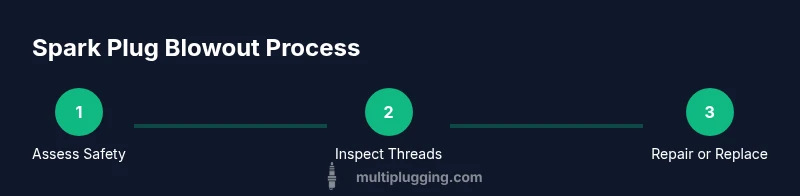
If you suspect a spark plug blowout, stop driving immediately, park safely, and let the engine cool. Do not restart or drive further. Inspect the spark plug well for debris and signs of damage, then replace the plug with the correct heat range and gap, and check the threads. For serious thread damage, use a repair kit or seek professional service. This approach protects your engine and helps prevent costly failures.
Why a spark plug blowout happens
A spark plug blowout occurs when the spark plug cannot securely seat in the cylinder head due to worn or damaged threads, gunked seats, or cross-threading during installation. Repeated heat cycles and engine vibration can erode threads, especially in aluminum heads, making a previously tight fit gradually loosen. Signs include a rough idle, misfire, reduced power, or sudden engine noise. According to MultiPlugging, blowouts are more common on high-mileage engines where thread integrity has degraded, and improper torque or incorrect plug heat range has contributed to the failure. Regular maintenance and using the correct heat range, thread style, and torque spec significantly reduces risk. Beyond threads, cracked seats, damaged gaskets, or oil intrusion into the plug well can accompany a blowout and complicate repairs. If the plug well shows oil or coolant, plan for additional checks on the valve cover gasket and head sealing surfaces. The goal is to avoid reusing a damaged hole and to pursue a repair that restores a true seat and seal. A cautious, measured approach now can prevent a future catastrophic failure.
Immediate safety steps you should take
When you hear a popping sound or notice misfire, pull over as soon as it is safe. Turn off the engine, remove the key, and allow the engine to cool before touching anything near the spark plug area. Do not attempt to restart or drive to a shop with a suspected blowout; continued operation can damage the piston, cylinder wall, or head. If you have access to tow services, arrange for a tow rather than driving with compromised ignition. If safely possible, disconnect the negative battery terminal after the engine has cooled to reduce the risk of an electrical short during inspection. Wear gloves and use a flashlight to inspect the plug well for oil, coolant, or debris. Document the incident (time, symptoms, and any visual damage) to aid the repair decision and future maintenance planning. This initial step protects you and your engine and sets the stage for a proper repair.
Roadside actions and initial checks
From a safe position, perform quick checks without forcing components. Confirm the coil boot is intact and seated, inspect for obvious signs of damage around the plug well, and note any oil or coolant leakage. If the plug is loose but the threads look intact, you might carefully reseat after cooling, but do not force it. Avoid removing parts you’re not equipped to handle, and keep the area clean to prevent contaminants from entering the plug hole. Logging symptoms, time of occurrence, and any noises will help a technician diagnose root causes later. If you must move the vehicle, do so only with professional assistance to avoid risks of sudden plug failure. Keeping a spare plug and a basic tool kit can expedite roadside checks in the future.
Diagnosing damage and deciding repair options
With the engine cooled, remove the suspect plug using a proper spark plug socket and inspect the threads and seat. If threads are stripped or the plug won’t seat firmly, the hole may require a thread repair solution (such as a helicoil or timesert) or, in severe cases, cylinder head service. A damaged seat or head often necessitates professional machining or head replacement. If the threads look salvageable, you can install a new plug after cleaning the hole, ensuring correct gap and an appropriate heat range. Always verify the ignition coil and boot are not damaged, as a misfire can be caused by a faulty boot rather than the plug itself. This assessment guides whether a DIY repair is feasible or a shop visit is needed, and helps prevent a repeat failure.
Temporary fixes vs permanent repairs: what to expect
Temporary measures are not reliable for long-term operation. Driving with a compromised plug seat risks sudden loss of compression and catastrophic engine damage. A permanent fix typically involves cleaning the hole, repairing threads with a proper insert, and re-installing a correctly gapped plug with the right torque. In some cases, a head or thread repair kit is required, followed by a re-torque and leak-check. A professional service may also address related seals and gaskets to prevent oil or coolant ingress. The bottom line: treat a blowout as a mechanical failure that requires precise repair to restore sealing, compression, and ignition reliability. Rushing through a fix can lead to recurring problems and higher repair costs later.
Replacing the plug and reassembling safely
Start by cleaning the plug hole and surrounding area. Install a brand-new spark plug of the correct type, ensuring the gap matches the manufacturer’s specification. Tighten with a torque wrench to the recommended torque; if you don’t have the exact spec for your engine, consult the service manual or manufacturer guidance. After initial seating, recheck the gap and finish tightening to the specified torque. Reconnect the coil boot and any wiring, then reconnect the battery if you had disconnected it. Start the engine and observe for smooth idle and normal power delivery. If misfires or rough operation appear, shut down and re-inspect the installation and seating surfaces. This careful reassembly step is crucial to a reliable, safe repair.
Prevention tips to avoid future blowouts
Maintain regular spark plug maintenance, sticking to the recommended heat range and thread size for your engine. Replace plugs at the manufacturer’s intervals or when fouling or wear is evident. Periodically inspect thread integrity in the cylinder head and avoid overtightening during installation. Use a torque wrench and follow the correct torque sequence to ensure proper seating. Keep plug wells clean and free of oil and coolant leaks; address gasket or valve-cover issues promptly. By following these preventive practices, you’ll reduce the likelihood of blowouts and improve overall engine reliability.
Tools & Materials
- Spark plug socket with rubber insert(To safely remove/install plugs.)
- Torque wrench(Set to manufacturer torque spec.)
- Spark plug gap gauge(Check gap for your plug type.)
- Thread repair kit (Helicoil/Timesert)(For damaged threads in cylinder head.)
- Replacement spark plugs (correct heat range and size)(Right type for your engine model.)
- Anti-seize compound or antiseize lubricant(Refer to manufacturer guidance; some engines disable antiseize to not affect torque readings.)
- Gloves(Protect hands during removal and installation.)
- Rags and solvent(Clean plug hole and remove debris.)
- Torque specs manual / service guide(Manufacturer’s recommended torque for your plug.)
- Flashlight or work light(Improve visibility in tight spaces.)
Steps
Estimated time: 90-150 minutes
- 1
Stop safely and assess
Pull over to a safe location and turn off the engine. Allow it to cool before touching anything near the plug area. Gather your tools and take a quick visual check for obvious damage.
Tip: Cooling prevents burns and reduces the risk of warping metal during inspection. - 2
Gather and prepare tools
Collect your spark plug socket, torque wrench, gap gauge, and any thread repair kit if you anticipate thread damage. Clean the area and wear gloves for protection.
Tip: Lay out tools in an organized tray to avoid losing small components. - 3
Remove the blown plug
Carefully detach the coil boot, then loosen and remove the plug using the correct socket. Do not twist aggressively; if the plug resists, stop and re-evaluate for cross-threading or debris.
Tip: If the plug won’t come free, stop to avoid further thread damage. - 4
Inspect plug and threads
Examine the plug threads and seat for stripping, gouging, or residue. If threads are damaged, plan for a repair insert or head service. Check the plug well for oil or coolant intrusion.
Tip: Take a photo of the plug hole for reference with a shop or mechanic. - 5
Decide on repair approach
If threads are intact, you can replace with a correctly gapped plug. If damaged, choose a thread repair solution or professional service. Ensure the head gasket and sealing surfaces are healthy before proceeding.
Tip: Do not reuse a damaged hole; improper repair can cause repeated failures. - 6
Install replacement plug or repair insert
Install the new plug (correct heat range and gap). If using a repair insert, follow kit instructions precisely to maintain seal and seating.
Tip: Always verify the insert seats properly before torquing. - 7
Torque and seating check
Torque the plug to the manufacturer’s specification with a torque wrench. Recheck the gap on the new plug after seating to ensure proper ignition distance.
Tip: Avoid overtightening; over-torquing can strip threads again. - 8
Reassemble and test
Reconnect the coil boot, restore the battery if disconnected, and start the engine. Listen for a smooth idle and ensure no misfires appear.
Tip: If misfires persist, shut down and re-inspect the installation and seating. - 9
Document and monitor
Record the repair details, part numbers, and torque specs for future maintenance. Monitor engine performance over the next few drives and address any abnormal symptoms promptly.
Tip: A maintenance log helps future diagnostics and proves valuable at shops.
FAQ
What causes a spark plug blowout?
A blowout happens when the plug threads are worn or damaged, or the seat is compromised, allowing the plug to loosen. Improper torque, incorrect heat range, or cross-threading during installation are common contributing factors.
A spark plug blowout occurs when the threads are damaged or the seat fails, often due to improper torque or old threads.
Can I drive to a shop after a blowout?
No. Driving with a blown spark plug can cause severe engine damage. It’s safer to tow the vehicle to a shop for inspection and repair.
No—driving can cause more damage; tow the car instead.
Is a helicoil repair reliable for a damaged thread?
A helicoil or similar thread insert can restore thread strength if installed correctly, but success depends on thread condition and engine design. In some cases, professional machining or head replacement is required.
A helicoil can be reliable if installed precisely and the hole isn’t too damaged.
How long does a typical spark plug blowout repair take?
Most repairs can be completed in a few hours in a shop, depending on whether thread repair or head work is required. DIY repairs may take longer due to tool availability and experience.
Most repairs take a few hours at a shop; DIY may take longer.
Will a blowout cause engine damage even after repair?
If the blowout caused piston or valve damage, head gasket issues, or oil intrusion, those problems may persist after a plug repair. A thorough inspection is essential to ensure there’s no lasting damage.
Damage beyond the plug area can persist; a full inspection is important.
How can I prevent spark plug blowouts in the future?
Maintain proper torque, use the correct heat range, replace plugs at recommended intervals, and inspect threads and gaskets periodically. Proper cooling and avoiding aggressive installations help protect head threads.
Follow torque specs, replace plugs on schedule, and inspect threads to prevent blowouts.
Watch Video
Main Points
- Stop and assess safety first when a blowout is suspected
- Use the correct heat range and torque to seat plugs
- Inspect threads and use proper repair methods if damaged
- Replace with a new plug and verify operation after installation
- Prevent future blowouts with proactive maintenance