Spark plug for snowblower: Replacement and maintenance guide
Learn how to diagnose, replace, and optimize spark plugs in snowblowers for easier starts and reliable winter performance. This guide covers plug types, gap measurements, installation, and safety tips.


Learn how to diagnose, replace, and optimize the spark plug for a snowblower. This guide covers selecting the right plug, checking the gap, safe removal and installation, and cold-weather tips to improve starting and reliability. Whether you service a single-stage snowblower or a mid-size model, follow these steps to avoid misfires and fouling.
Understanding Spark Plugs for Snowblowers
Spark plugs are tiny but essential components that ignite the air-fuel mixture inside your snowblower's engine. For cold-weather starting, the plug's heat range, electrode material, and gap stability determine how reliably the engine will fire. In small engines found on single-stage and some mid-size snowblowers, the plug must tolerate frequent cold starts, endure moisture exposure, and resist fouling from rich fuel mixtures during startup. The right plug helps prevent misfires, improves fuel efficiency, and reduces engine wear over time. When you replace a spark plug, you are not just swapping a worn part; you are resetting the ignition environment to a predictable baseline. This section explains what to look for in a plug and how the basic physics of spark generation applies to snowblower operation. The guidance here aligns with MultiPlugging's approach to practical spark plug care (MultiPlugging Analysis, 2026).
Choosing the Right Spark Plug for Snowblowers
Choosing the right spark plug starts with your engine’s needs and the fuel conditions you typically encounter. Most snowblowers use plugs that balance reliable cold starts with resistance to fouling, but the best choice depends on heat range, electrode material, and the engine design. Common options include copper-core plugs for affordability and platinum or iridium variants for longer life and more stable performance in wet, cold environments. Always match the plug type and heat range to the manufacturer’s specification in your snowblower’s manual. If you frequently experience hard starts in freezing weather, a plug with a slightly different heat range or electrode design can help, but avoid deviating from the recommended type unless you have clear evidence from your manual or a trusted technician.
Reading Gap, Heat Range, and Specifications
Gap size is critical for reliable ignition. The gap should be set to the snowblower manufacturer’s specification, which is often in the range of a few thousandths of an inch. Use a feeler gauge to measure and adjust the gap carefully. Heat range matters because a plug that is too hot can foul easily in cold starts, while a plug that is too cold might not heat enough to burn fuel efficiently. If your engine runs inconsistently or misfires, check both the gap and the heat range before assuming a faulty ignition system. If in doubt, revert to the original specification in the manual or consult a qualified technician. This concept aligns with the practical approach recommended by MultiPlugging.
Signs Your Spark Plug Needs Replacement
Worn or fouled plugs show visible signs: excessive black soot, oily deposits, white or blistered ceramic, or a noticeably eroded electrode tip. A plug that glows amber or has a heavy buildup is unlikely to ignite the air-fuel mixture reliably, leading to hard starts, rough running, or misfires during snow-clearing. In some cases, a plug can be cleaned if fouling is light, but if the electrode is worn or the ceramic is cracked, replacement is the safer option. Regular visual checks can catch these issues before they cause a stall during an important snowstorm.
Cleaning vs Replacing: When It Makes Sense
Light fouling on a spark plug’s electrode can sometimes be cleaned with a dry brush or a quick wipe, but avoid aggressive cleaning that can damage the ceramic insulator. If deposits persist after cleaning, or if the electrode has eroded, replacement is recommended. For engines that operate in wet, cold conditions, replacing worn plugs is often more cost-effective than chasing intermittent performance problems. Remember: spark plugs are cheap insurance for reliable starts and smooth operation.
Step-by-Step: Replacing a Spark Plug (Overview)
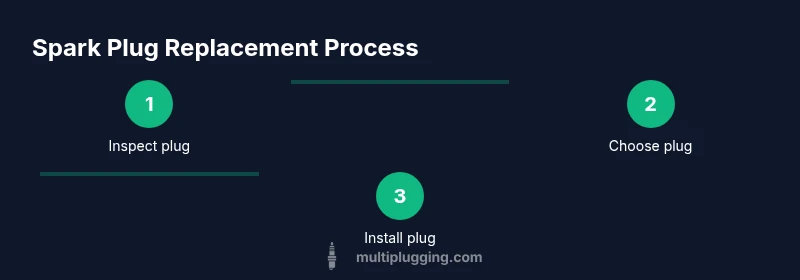
Replacing a spark plug on a snowblower is a straightforward maintenance task. It involves safely disconnecting the ignition lead, removing the old plug, inspecting the threads, setting the gap (if applicable), and installing a new plug to the manufacturer’s spec. The surrounding area should be clean to prevent dirt from entering the combustion chamber. Use the correct socket size and a gentle hand when tightening to avoid cross-threading. Always reattach the ignition lead firmly and test the engine after installation to confirm a proper ignition.
Maintenance Schedule and Best Practices
A simple maintenance cadence can prevent many ignition problems. At the end of each snow season, inspect the spark plug and replace if there are signs of wear. Before the first snow of the season, check the gap and seating. Keep the area around the spark plug clean and dry, and replace gaskets or seals if you notice moisture intrusion. Maintaining a consistent routine will help ensure dependable starts in harsh winter conditions.
Safety First: Protecting You and Your Engine
Always disconnect the spark plug wire before working on the plug. Let the engine cool completely if it has been running, wear eye protection and gloves, and work in a well-ventilated area away from fuel sources. Do not force any parts; if a plug seems stuck, stop and assess other issues or consult a professional. Proper safety reduces risk and protects both you and your snowblower.
Troubleshooting Common Startup Scenarios
If the snowblower fails to start, start with the spark plug: inspect for fouling, cracks, or corrosion. If the plug looks degraded, replace it. Check the gap after replacement and ensure the plug is properly seated. If starting issues persist, examine the ignition wire and the spark plug boot for cracks and wear, and verify that the engine is receiving fuel and air properly. A systematic approach to ignition issues often resolves problems quickly.
Tools & Materials
- Spark plug wrench with appropriate socket(Typically 13/16" or 5/8"; confirm size for your model)
- Feeler gauge or plug-gap tool(To check and adjust the spark plug gap)
- New spark plug(s) matching snowblower model(Check heat range, thread size, and reach in the manual)
- Torque wrench or a torque-safe hand-tight method(Follow manual; avoid over-tightening)
- Anti-seize compound (optional)(Only if recommended by manufacturer)
- Wire brush or clean rag(Clean around the plug and threads)
- Gloves and eye protection(Safety basics for hand tools and fuel vapors)
Steps
Estimated time: 30-45 minutes
- 1
Power off and prepare
Park the snowblower on a flat surface and engage any safety brake. Disconnect the spark plug wire to prevent accidental starts. Allow the engine to cool if it was recently used, and gather your tools in a ready-to-go workspace.
Tip: Have a rag ready to catch any fuel drips and wipe the area clean before you begin. - 2
Access the spark plug
Remove any shrouds or covers that hide the spark plug. Clear debris around the plug boot to prevent dirt from falling into the cylinder when you detach the boot.
Tip: Maintain a clean workspace; dropping dirt into the plug hole can cause misfires. - 3
Inspect the old plug
Take out the old plug and examine the electrode and ceramic insulator. Look for fouling, oil deposits, or a worn electrode tip. If you see damage, plan to replace rather than reuse.
Tip: If the plug is difficult to remove, stop and assess for thread damage. - 4
Check and set the gap
Use a feeler gauge to verify the gap according to the manual. If the gap is off, adjust carefully by bending the ground electrode. Do not force the gap beyond its specification.
Tip: Make small adjustments and re-check the gap after bending. - 5
Install the new plug
Thread the new plug by hand to avoid cross-threading, then snug it with a spark plug wrench. Do not overtighten; hand-tight plus a light half-turn is usually sufficient.
Tip: If you use anti-seize, apply a light film only on the threads where the plug meets the head. - 6
Reconnect and test
Reconnect the spark plug boot securely. Start the engine and listen for a clean ignition; check for misfires or rough running. If the engine doesn’t start, recheck the gap and boot connection.
Tip: Keep a spare plug ready for quick swaps if you hear misfires. - 7
Clean up and recycle
Dispose of the old plug per local guidelines. Wipe tools clean and store in a dry place to prevent corrosion.
Tip: Keep your toolkit organized to speed future maintenance.
FAQ
Do snowblowers use the same spark plug as lawn mowers?
Often yes, if the engines are similar, but always verify the plug type and heat range in your snowblower's manual.
Often the same type, but always check your manual to be sure.
What gap should I use for snowblower spark plugs?
Refer to the manual for the exact gap. A common range is 0.030 to 0.040 inches, measured with a feeler gauge.
Check the manual for the exact gap; many snowblowers use about 0.03 to 0.04 inches.
Is anti-seize necessary on snowblower plugs?
Only if your manual recommends it. Many modern small engines do not require anti-seize on spark plug threads.
Only use anti-seize if the manual says so.
Can I clean a fouled plug instead of replacing it?
Light fouling can sometimes be cleaned, but worn electrodes or damaged ceramic require replacement.
If the plug is worn or damaged, replace it rather than clean.
How often should I replace the spark plug on a snowblower?
Follow your manual's guidance; many owners replace at the end of the season or annually, depending on usage.
Replace yearly or per season as advised by your manual.
What safety steps should I follow when replacing a spark plug?
Disconnect the spark plug, let the engine cool, wear eye protection and gloves, and work in a well-ventilated area.
Always disconnect the plug, wait for cooling, and wear protection.
Watch Video
Main Points
- Select the correct plug type and heat range for your model
- Check and set the gap to specification
- Replace worn plugs promptly to avoid misfires
- Tighten snugly but avoid overtightening
- Follow safety steps to protect you and the engine