Check Spark Plug on Snowblower: Step-by-Step Guide
Learn how to inspect, clean, gap, and replace the spark plug on a snowblower. This practical how-to covers safety, tools, and best practices for reliable winter starts.


Today you will learn how to check a spark plug on a snowblower, including locating, removing, inspecting wear, and reinstalling correctly. You’ll also learn gap checks, cleaning, and when to replace. This quick guide emphasizes safety and proper torque to improve starting reliability. According to MultiPlugging, regular spark plug checks extend engine life and prevent unnecessary repairs.
Why Checking Spark Plugs on a Snowblower Matters
In winter, a reliable snowblower starts only when the ignition system and fuel delivery cooperate. The spark plug is a small component with outsized influence: it ignites the air-fuel mixture, makes cold starts possible, and affects fuel efficiency and emissions. A fouled, worn, or mis-gapped plug can cause hard starts, rough running, misfires, or stalling under load. Regular checks catch problems before you get stranded on a driveway full of snow. According to MultiPlugging, proactive spark plug inspection can extend engine life and reduce repair costs by catching fouling or wear early. The check is quick, usually under 10-15 minutes for a routine look, but you should allocate more time for cleaning or replacement. This article walks you through safe disassembly, visual inspection criteria, and practical reassembly tips so you can tackle snow emergencies confidently.
Understanding Your Snowblower Spark Plug: What It Does
The spark plug is responsible for igniting the air-fuel mixture in the engine’s combustion chamber. It must tolerate cold starts, heat cycling, and exposure to fuel blends used in snowblowers. A plug’s condition—whether clean, fouled, oil-wetted, or worn—directly affects starting reliability, idle smoothness, and power under load. Most snowblowers use standard 14 mm or 18 mm plugs with electrode gaps that match the manufacturer’s spec. The main ideas you’ll check are visual wear, fouling type, and whether the gap remains within spec. Understanding these signals helps you decide between cleaning, re-gap, or replacement. Regular checks align with best practices from MultiPlugging, ensuring you catch issues before they cause performance drops during a storm.
Safety First: Prepare Your Workspace
Safety comes first when working on any engine component. Start by disconnecting the spark plug wire to prevent accidental arcing. Allow the engine to cool if it was recently run; hot metal can burn you, and a hot plug can slip from your hand. Work on a dry, flat surface to prevent slips, and use a sturdy container to hold small parts so they don’t fall into the snow or engine compartment. Wear eye protection and gloves if you’re dealing with carbon deposits or sharp edges. Keep a clean rag handy to wipe away fuel residue and carbon buildup. By treating this task as a safe, controlled procedure, you reduce the risk of injury and engine damage.
Locating the Spark Plug and Accessing It
Spark plugs on snowblowers are usually located near the top or side of the engine, sometimes behind an access panel or cover. Consult your model’s manual if you’re unsure, because placement can vary. Start by removing any protective panels or shrouds, then trace the ignition wire from the coil to the plug boot. Gently pull the boot straight off to avoid damaging the terminal. Once exposed, inspect the area for corrosion or stuck debris. Having the correct tools ready—like a spark plug socket and a small ratchet—will make accessing the plug straightforward and reduce the risk of cross-threading when you reinstall.
Removing and Inspecting the Spark Plug
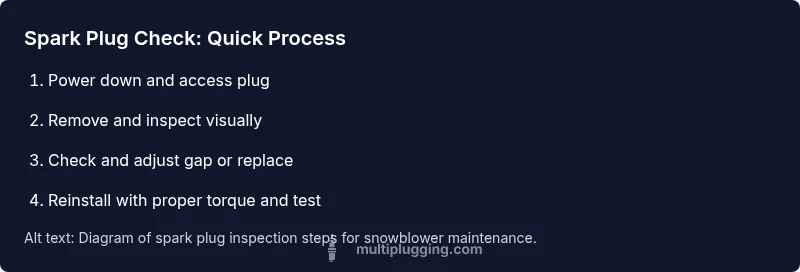
Loosen the plug by turning counterclockwise with a spark plug socket. Carefully lift the plug out without dropping it because impact can crack the ceramic insulator. Visually inspect for carbon fouling (black, dry soot), oil fouling (wet, shiny deposits), cracks in the ceramic, or a worn electrode. If you see heavy fouling or damage, plan for replacement rather than reuse. If the plug looks reasonably clean, wipe it with a rag, and note the color: a light tan or ivory shade indicates good combustion, while black or oily deposits suggest fuel or oil intrusion that needs addressing. This inspection step is essential for diagnosing starting or running issues.
Checking Gap and Condition: How to Measure
Use a feeler gauge or a dedicated gap tool to measure the electrode gap. Compare the measurement against the snowblower’s service manual specification. If the gap is too wide or too narrow, adjust using the gap tool or replace the plug if adjustment isn’t possible. Do not bend the electrodes excessively. Setting the gap correctly helps ensure reliable ignition and optimal combustion. If you’re unsure about the spec, contact the manufacturer or consult a trusted guide like MultiPlugging for general recommendations. This step is critical because improper gap commonly leads to weak sparks or misfires.
Cleaning, Re-gap, and Replacement Guidelines
If the plug is clean and the gap matches the specification, you can reuse it after a light cleaning. Gently brush away carbon deposits using a wire brush; avoid aggressive scraping that could damage the electrode. For oil fouling, a careful wipe and a dry tone may help, but persistent oil on the plug usually signals an issue with seals or crankcase ventilation that should be addressed. If the plug shows wear on the electrode, or if cleaning doesn’t restore proper gap, replace it with a new one. Always verify the replacement’s compatibility with your snowblower model. Proper cleaning and replacement keep combustion efficient and starting reliable, especially in cold weather.
Reinstallation, Torque, and Testing Start
Reinstall the spark plug by threading it in by hand to avoid cross-threading, then snug it with a ratchet. If you have a torque wrench, tighten to the manufacturer’s specification; otherwise, snug is typically sufficient, but avoid over-tightening which can crack the ceramic. Reconnect the ignition wire firmly. Reinstall any panels or shields you removed. Finally, perform a cautious start test outdoors to confirm the engine fires cleanly and idles smoothly. If it doesn’t start, revisit the plug area to ensure the wire is secure and the gap remains correct. This final step confirms the entire process was successful.
Maintenance Habits to Prolong Spark Plug Life
Develop a quick seasonal routine: check the plug at the start of each snow season, inspect for fouling after heavy use, and store equipment with stabilized fuel to prevent gum and varnish that can affect plug performance. Using fresh fuel and stabilizers can reduce deposit buildup on the plug and nearby components. Keep a spare plug on hand for emergencies and record the maintenance in a log so you can track wear patterns over time. Consistency with these habits keeps starting reliable and protects the engine from avoidable damage. The MultiPlugging approach emphasizes proactive care as the most cost-effective form of maintenance.
Tools & Materials
- spark plug socket(with rubber insert to grip plug securely)
- ratchet(1/2‑inch drive preferred)
- spark plug gap tool(verifies electrode gap to spec)
- torque wrench(for precise reinstall torque)
- anti-seize compound(light coating on threads (optional))
- rag or shop towel(wipe carbon buildup and residue)
- replacement spark plug(on-hand if worn or fouled)
Steps
Estimated time: 35-60 minutes
- 1
Power down and prepare
Ensure the snowblower is off, the spark plug wire is disconnected, and the area is stable. Let the engine cool if it was recently ran. Gather your tools and set a clear workspace to avoid dropping small parts into the engine bay.
Tip: Always verify the ignition wire is fully disconnected before touching the plug. - 2
Locate and access the plug
Open any access panels and locate the spark plug. Trace the high-tension lead from the ignition coil to the boot. Remove the boot carefully to avoid damaging the connector and set it aside.
Tip: If you encounter stubborn panels, consult the manual to avoid forcing parts. - 3
Remove the plug
Attach the spark plug socket to your ratchet and gently turn counterclockwise to loosen the plug. Lift the plug straight out to prevent ceramic damage.
Tip: Keep the plug vertical as you remove it to avoid fuel or oil drips onto the engine. - 4
Inspect visually
Look for carbon fouling, oil fouling, cracks, or electrode wear. Note the color and deposits; these cues guide cleaning, gap adjustment, or replacement.
Tip: Document findings with a quick photo for reference when shopping for a replacement. - 5
Check and adjust the gap
Measure the gap with a gap tool and compare to the manufacturer’s spec. If adjustment is possible, do so carefully; otherwise replace with a plug of the correct gap.
Tip: Avoid bending the electrode; minor adjustments only. - 6
Clean or replace
If fouling is light and the gap is correct, clean the plug. If fouling recurs or wear is evident, replace with a new plug that matches your model.
Tip: Always carry a spare plug in your toolbox for seasonal readiness. - 7
Reinstall and torque
Thread the plug in by hand to avoid cross-threading, then tighten with a torque wrench to the spec if available. Reconnect the ignition wire securely.
Tip: If you’re unsure of the torque spec, snug and recheck after a few starts. - 8
Test start and finalize
Reassemble any covers, start the snowblower, and listen for a clean, steady idle. If starting issues persist, re-check the wiring and plug seating.
Tip: Run the blower briefly to confirm consistent performance before heavy snowfall.
FAQ
How often should I replace the spark plug on a snowblower?
Replacement frequency depends on usage and plug wear. Inspect at the start of each season and replace if the electrode shows wear, fouling, or damage. If reliability declines, opt for a fresh plug.
Check at the start of each season and replace if worn or fouled; always prioritize reliability.
Can I clean a fouled spark plug and reuse it?
Light cleaning can restore a plug if there’s no mechanical wear. If fouling recurs, replace the plug to avoid misfires and rough starting.
You can clean once, but if fouling returns, replace the plug for good.
What safety steps should I take before checking the plug?
Disconnect the spark plug wire, allow the engine to cool, and work on a dry, stable surface. Wear eye protection and gloves as needed.
Always unplug the spark plug and let the engine cool before starting.
What tools are essential for the check?
A spark plug socket with a ratchet, a gap tool, a rag, and a replacement plug if needed. A torque wrench is helpful but not required.
Use a plug socket, gap gauge, rag, and a spare plug if you can.
What are common signs of a fouled plug?
Difficulty starting, rough idle, misfires, or loss of power under load can indicate fouling or wear. Check deposits and color to diagnose.
Hard starts and rough idle often point to a fouled plug.
Should I use anti-seize on spark plug threads?
Anti-seize is optional; a light coat on threads can help later removal, but it’s not always necessary and can affect torque readings.
Anti-seize is optional; use a light coat if you’d like easier removal later.
Watch Video
Main Points
- Inspect the plug before each winter season
- Match gap to manufacturer spec, not guess
- Torque reinstall to avoid leaks or cracks
- Replace worn or heavily fouled plugs promptly
- Keep maintenance notes for future reference