Do Spark Plugs Make a Difference in Gas Mileage?
Discover if spark plugs affect gas mileage, how wear and gaps influence efficiency, and practical steps to maximize MPG through proper plug selection, gap, and timing.


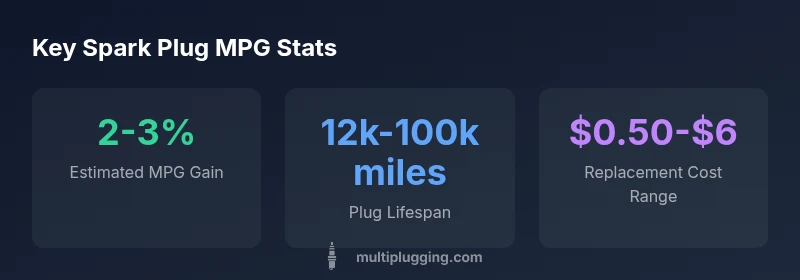
Do spark plugs make a difference in gas mileage? In short, they can, but only when they’re worn, fouled, or the spark gap is out of spec. A healthy ignition system ensures reliable combustion, reduced misfires, and more complete burning of fuel. Replacing with the correct plug type and proper gap, along with regular maintenance, can help restore optimal MPG in many vehicles.
Do Spark Plugs Really Impact Gas Mileage?
The question often surfaces as a practical concern: do spark plugs make a difference in gas mileage? The short answer is yes, but with caveats. In many engines, gas mileage improves when plugs are new, properly gapped, and in good condition. The exact benefit varies by vehicle, driving style, and overall mechanical condition. According to MultiPlugging, the spark plug's primary job is to provide a reliable spark at the right moment, igniting the air-fuel mix efficiently. When plugs wear, foul, or gap drift, ignition can become irregular, leading to incomplete combustion, wasted fuel, and higher emissions. In these cases, MPG can drop and response may feel laggy. Regular inspection, choosing the correct heat range for your engine, ensuring the correct gap, and replacing worn plugs on schedule help maintain peak efficiency and reliable performance.
How Spark Plugs Affect Combustion and MPG
Spark plugs influence how completely your engine burns fuel. A strong, consistent spark ensures a clean ignition event, enabling efficient combustion across the engine’s operating range. When the spark is weak or delayed, cylinders may misfire or burn fuel incompletely, which reduces miles per gallon and increases exhaust emissions. The influence of plugs is most noticeable during acceleration, cold starts, and lean-burn operation. Modern engines that use sophisticated ignition systems still rely on well-maintained plugs to keep the combustion process efficient and predictable, especially when load and temperature vary.
Signs Your Spark Plugs Are Costing You MPG
There are several telltale signs that worn, fouled, or misgapped plugs are hurting fuel economy. If you notice rough idling, hesitations during acceleration, increased fuel consumption, or a Check Engine Light that points to misfire codes, it’s worth inspecting the plugs. Visual cues, such as sooty, oily, or white-covered electrodes, indicate fouling or oil intrusion. A simple resistance or gap check with the correct tools can reveal drift from the factory spec. Replacing with the correct heat range and a precise gap often restores economy and smooth running.
Spark Plug Types and Their MPG Roles
Spark plugs come in several types—copper, platinum, and iridium—each with different lifespans and costs. While longevity is improved with premium options, the MPG impact is usually modest and highly engine-dependent. Copper plugs are cheap and effective for older engines, but wear faster. Platinum and iridium plugs last longer and can promote consistent ignition over time, yet the real MPG gains tend to come from proper gap, heat range, and installation torque rather than type alone. Always match the plug to your vehicle’s specifications.
The Gap, Heat Range, and Timing: Small Details, Big MPG
Two often-overlooked details affect MPG far more than most people realize: spark plug gap and heat range. A gap that’s too wide or too narrow can alter ignition timing and combustion efficiency, especially at idle or part-throttle. The heat range determines how quickly a plug dissipates heat; a wrong range can lead to pre-ignition or fouling, both of which waste fuel. For most engines, using the OEM-recommended gap and heat range is the simplest way to preserve fuel economy, with only modest gains possible from other tweaks.
DIY Replacement: Steps to Maximize MPG Gains
If you’re comfortable performing basic maintenance, replacing spark plugs is a straightforward DIY task that can improve MPG when needed. Gather the right tools, including a torque wrench and the recommended plug type and gap. Steps include disconnecting the battery, locating the spark plugs, removing the ignition coils or wires, checking and setting the gap, installing plugs to the manufacturer’s torque specification, and reassembling. After replacement, clear any fault codes and test drive to confirm smoother idle and better fuel economy. Always use anti-seize only if recommended by the plug supplier, and avoid overtightening, which can damage threads.
Other Maintenance That Improves Fuel Economy
While spark plugs are part of the picture, true MPG gains come from a holistic approach. Regular air filter replacement, proper fuel system cleaning, and ensuring the oxygen sensors are functioning correctly can significantly impact efficiency. Tires inflated to the correct pressure and a clean, well-maintained exhaust system also contribute. If you’re chasing substantial MPG gains, address multiple systems rather than focusing solely on ignition components. A balanced maintenance plan keeps the engine running efficiently at all speeds.
Real-World Scenarios: When Plugs Make a Noticeable Difference
In older vehicles with higher-mileage engines, fresh plugs can restore performance and boost MPG by a noticeable margin, especially if the previous set was fouled or worn. In newer engines with advanced fuel management, the MPG impact is often subtler but still meaningful when combined with proper gap and heat-range matching. The key is preventing drift from factory specs and avoiding misfires during maximum-load conditions. Real-world results vary, but disciplined maintenance reliably supports better fuel economy.
Spark plug types and their typical MPG-related considerations
| Plug Type | Typical Lifespan | Approx Cost per Plug | MPG Impact | Notes |
|---|---|---|---|---|
| Copper | 12,000-20,000 miles | $0.50-$1.50 | Moderate to small impact; wear leads to misfires | Budget option for older engines |
| Platinum | 60,000-100,000 miles | $1.50-$3.50 | Small to moderate impact; longer life | Common in modern OEM plugs |
| Iridium | 100,000+ miles | $3-$6 | Small MPG impact; longevity | Premium option with long life |
FAQ
Do worn spark plugs affect gas mileage?
Yes. Worn plugs can cause misfires or delayed ignition, leading to incomplete combustion and lower fuel economy. Replacing with the correct gap and heat range often restores efficiency.
Yes. Worn plugs can cause misfires and waste fuel; replacement usually restores some efficiency.
How often should I replace spark plugs to maintain MPG?
Intervals vary by plug type and engine. Many modern engines use longer-life plugs, but always follow the OEM recommendation and inspect for wear during regular service.
Intervals depend on the plug and engine; check the manual and inspect sparking performance.
Are iridium or platinum plugs better for MPG?
Premium plugs last longer and resist wear, but the MPG difference is usually small. The biggest gains come from correct gap and installation, not brand alone.
Premium plugs last longer, but MPG gains mainly come from proper gap and timing.
Can a wrong spark plug gap affect fuel economy?
Yes. An incorrect gap can delay ignition or cause misfires, reducing combustion efficiency and lowering MPG. Set to the manufacturer’s specification.
Yes, an incorrect gap can hurt fuel economy.
What other maintenance improves MPG besides spark plugs?
Keep air filters clean, maintain fuel injectors and sensors, keep tires inflated, and follow a regular tune-up schedule. A holistic approach yields the best MPG results.
Other maintenance like filters, sensors, and tires matter for MPG too.
“Worn or incorrect spark plugs disrupt combustion efficiency, which can quietly erode fuel economy. When plugs are in good condition and properly gapped, emissions and economy tend to improve.”
Main Points
- Inspect plugs during routine maintenance and replace when worn
- Use the correct heat range and a precise gap for your engine
- Worn plugs can cause misfires and reduce MPG
- Premium plugs last longer, but MPG gains come from proper installation
- Pair plug maintenance with broader fuel-system care for best MPG