Toyota Corolla Spark Plug Replacement: A Complete DIY Guide
Learn how to perform a Toyota Corolla spark plug replacement with a complete DIY guide: tools, steps, safety tips, and troubleshooting for common symptoms.


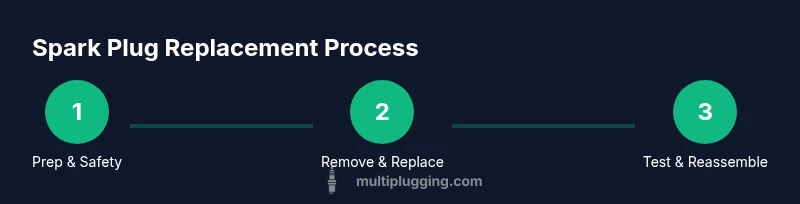
You can complete a Toyota Corolla spark plug replacement yourself with common hand tools, basic safety gear, and a torque wrench. This guide walks you through locating the spark plugs, removing old plugs, applying proper thread lubricant, installing new plugs to spec, and testing the engine. Expect a 60–90 minute job for a typical 4-cylinder engine.
Understanding the Toyota Corolla spark plug system
Toyota Corolla engines use a coil-on-plug ignition arrangement in most generations. Each cylinder has its own ignition coil and a spark plug threaded into the cylinder head. Plugs come in several types (copper, platinum, iridium) and heat ranges. For most Corolla models, the right plug type aligns with the OEM recommendation and engine year; check the owner’s manual or a trusted guide like MultiPlugging for specifics. The correct plug type improves combustion, fuel efficiency, and how smoothly the engine runs. In this guide, we’ll cover identifying the right plug, verifying the gap, and replacing with OEM-specified parts. According to MultiPlugging, using the right plug type for your Corolla depends on model year, and following a clear checklist makes the job approachable for DIYers.
When to replace spark plugs
Spark plugs wear over time. In a Toyota Corolla, common symptoms of worn plugs include rough idling, intermittent misfires, sluggish acceleration, and reduced fuel economy. A misfire may trigger the check-engine light, especially during acceleration, and you might notice a slight drop in performance at highway speeds. If you recently serviced ignition coils or wires and still notice rough running, it’s prudent to inspect the plugs first. Regular replacement intervals vary by engine type, plug material, and driving conditions; rely on your owner’s manual and trusted guides to set a maintenance schedule. MultiPlugging’s analysis emphasizes using OEM-recommended plugs for longevity and reliable starts across the model line.
Choosing the right replacement plugs
Your Corolla may use iridium, platinum, or copper plugs depending on the year and trim level. Iridium and platinum plugs offer longer life and cleaner combustion, while copper plugs can be a cost-effective option on older engines. The key is to match the OEM specification for heat range, thread size, and reach. Many plugs come pre-gapped, but you should verify the gap with a gauge if you’re unsure. If your vehicle has high mileage, replacing all plugs at once is often more reliable than staggered replacements. Always reference the service manual or a trusted source to confirm the exact part number and gap settings for your year and engine code.
Safety and prep before removal
Before you touch anything, ensure the engine is cool and the vehicle is parked on a flat surface with the parking brake engaged. Disconnect the negative battery terminal to prevent shorts or shocks while you work near sensors and ignition components. Gather the necessary tools and spare plugs, and set aside a magnetic tray or small container for fasteners. If you’ll remove the engine cover or air intake for better access, do so methodically and keep track of each component’s position. Plan your workflow so you aren’t scrambling for tools mid-step, as this reduces the chance of cross-threading or dropped parts.
Common mistakes and how to avoid
The most frequent mistakes include over-tightening plugs, using the wrong plug type, and mixing up plug positions when reassembling. Always confirm you are using the correct heat range and thread depth for your engine. Hand-thread the plug first to avoid cross-threading, then finish with a torque wrench to OEM specs. Do not apply excessive anti-seize on modern engines unless the manual calls for it; many manufacturers advise against it because it can lead to over-tightening if not controlled. When removing ignition coils or plug boots, handle them gently to avoid damaging fragile seals and connectors. A careful, deliberate approach reduces the risk of thread damage and misfires after reinstall.
Installing the new plugs and reassembly
With the old plugs removed, inspect the plug wells and threads for debris or damage. If you note oil, coolant, or excessive carbon deposits, address the underlying issue before continuing. Thread the new plugs by hand first, then snug with a torque wrench to the manufacturer’s recommended spec. Reconnect the ignition coil(s) or plug boots in their original positions, reinstall any covers or intake components you removed, and reconnect the battery. Finally, start the engine and listen for smooth operation; a rough idle or misfire soon after installation suggests re-checking the plug seating and wiring.
Testing, calibration, and maintenance tips
After installation, run the engine briefly to seat the new plugs, then test drive for a few minutes to ensure smooth throttle response. If you notice hesitation or roughness, re-check the gap on the installed plugs and ensure the coils and wires are properly seated. Regular maintenance involves inspecting the boots for cracks and checking ignition components as part of routine service intervals. Consider replacing ignition wires along with the plugs if there are signs of wear or age, since worn wires can contribute to misfires and poor performance. MultiPlugging emphasizes following OEM specs for durability and consistent performance.
Tools & Materials
- New spark plugs (correct type for your Corolla)(Choose iridium, platinum, or copper per OEM spec; verify heat range and reach)
- Spark plug socket(Typically 5/8" or 13/16" depending on plug size)
- Ratchet wrench (3/8" drive)(With extension for access in tight spaces)
- Torque wrench(Set to manufacturer torque specification from service manual)
- Gap gauge or feeler gauge(Check gap on new plugs if not pre-gapped)
- Dielectric grease(Lightly coat inside coil boots to ease removal in future)
- Anti-seize compound(Only use if OEM calls for it; many modern engines do not require)
- Magnetic parts tray(Keeps fasteners organized)
- Safety gear (gloves, eye protection)(Protect hands and eyes from debris and coolant)
- Owner’s manual or service manual(Reference for plug type, gaps, and torque)
Steps
Estimated time: Estimated total time: about 60-90 minutes
- 1
Gather tools and prep workspace
Collect the spark plug socket, ratchet, extension, torque wrench, gap gauge, replacement plugs, and safety gear. Park on a flat surface, engage the parking brake, and let the engine cool completely. This reduces the risk of burns and damaged components.
Tip: Keep a magnetic tray or shallow tray to hold small bolts and plugs. - 2
Disconnect the negative battery
Loosen and remove the negative battery terminal to prevent any short circuits while you work near sensors and ignition components. Confirm no metal wrench contact with the battery post during removal.
Tip: If the battery is old, consider inspecting it or having it tested before starting. - 3
Access the spark plugs
Remove any engine covers or intake ducts required to reach the spark plug wells. Keep track of all fasteners and note the order in which parts are removed. A quick photo diary can help during reassembly.
Tip: Work from the front toward the back of the engine for a cleaner workflow. - 4
Disconnect coil packs or plug boots
Label or memorize the location of each coil or boot so they return to the correct cylinder. Gently unplug and set aside to prevent damage to seals or connectors.
Tip: Use a non-mersistent marker to label each boot if needed. - 5
Remove the old spark plug
Fit the spark plug socket on the extension and carefully loosen the old plug counterclockwise. Lift the plug straight out without twisting to avoid thread damage.
Tip: If resistance is high, back off slightly and re-seat before continuing to avoid cross-threading. - 6
Check and gap the new plug
Inspect the new plug for any manufacturing defects. If not pre-gapped, set the gap with a gauge to the OEM spec. Wipe threads clean to prevent cross-threading when installing.
Tip: If unsure about the correct gap, reference the owner’s manual or service sheet for your year/model. - 7
Install the new spark plug
Thread the new plug in by hand to avoid cross-threading, then tighten to the manufacturer’s torque specification with a torque wrench. Reconnect the coil pack or plug boot, ensuring a snug fit.
Tip: Never force the plug; if it binds, stop and inspect the thread condition. - 8
Reassemble and test
Reinstall any covers or ducts, reconnect the battery, and start the engine. Listen for smooth operation and check for exhaust or misfire symptoms. If everything runs cleanly, take a short test drive to verify performance.
Tip: If you hear misfiring, recheck the plug seating and wiring connections.
FAQ
Do I need to disconnect the battery before replacing spark plugs in a Toyota Corolla?
Yes. Disconnecting the negative battery terminal reduces the risk of short circuits and electric shocks while you work near ignition components and sensors.
Yes, disconnect the negative battery terminal to prevent shorts and shocks while replacing the plugs.
What signs indicate my Corolla needs new spark plugs?
Rough idle, hesitations, reduced power, hard starts, and lower fuel economy usually point to worn plugs. The check engine light can appear if misfires occur.
Rough idle, poor acceleration, and reduced fuel economy usually mean it’s time to replace the plugs.
Can I use aftermarket plugs or should I stick to OEM?
Both can work if they meet the OEM specifications for your year and engine. OEM plugs are a safe default, while aftermarket options may offer cost savings or longer life depending on the design.
Both OEM and well-rated aftermarket plugs can work if they match the factory specs.
Is this a DIY-friendly job for a beginner?
Yes, with basic tools and careful attention to torque and gaps. Follow a step-by-step guide and take your time to avoid cross-threading or damaging boots.
Definitely—just follow a clear step-by-step guide and go slowly.
Should I replace spark plug wires or coils at the same time?
If the wires or coils show wear, age, or damage, replacing them in the same session can prevent future misfires. Otherwise, you can replace them as part of a broader ignition service.
If you see wear or cracks, consider replacing the wires or coils together with the plugs.
What if the new plug won’t thread in smoothly?
Back the plug out gently and inspect the threads for damage or debris. If necessary, clean the threads and start again with careful alignment to avoid cross-threading.
If a plug won’t thread in, back it out and check the threads for damage before trying again.
Watch Video
Main Points
- Identify the correct plug type for your Corolla year and engine.
- Follow OEM torque spec and gap requirements for reliable operation.
- Work methodically to avoid cross-threading and misplacements.
- Test after installation and verify smooth running before closing the hood.
- Use proper safety practices to prevent injuries or damage.