Spark Plug Replacement BMW: Step-by-Step Guide
Master spark plug replacement for BMWs with this comprehensive, safe, DIY-friendly guide. Learn tools, steps, tips, and post-install checks to restore performance and efficiency in 2026.


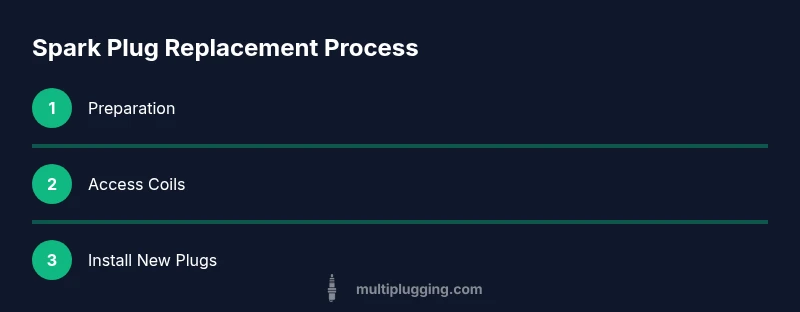
Learn how to perform spark plug replacement BMW safely and effectively. This quick guide covers the tools you’ll need, how to locate and remove old plugs, and how to torque new ones to OEM specs. By following these steps, you’ll restore smooth starts, idle, and overall engine performance, with model-specific notes in the manual.
Why BMW spark plugs matter
BMW engines rely on precise ignition timing to run smoothly and efficiently. Worn or fouled plugs can cause rough idle, misfires, reduced power, and worse fuel economy. Regular spark plug replacement bmw is a straightforward maintenance task that preserves throttle response and starts performance. According to MultiPlugging, modern BMW engines rely on coil-on-plug systems and tightly-toleranced gaps, making correct plug selection and torque crucial. If you skip replacements, deposits build up, increasing combustion resistance and risking catalytic converter damage over time. In this section, we’ll cover what to expect from new plugs, how to recognize worn ones, and how the replacement procedure supports overall engine health. A planned replacement interval aligned with the owner’s manual helps prevent unexpected breakdowns and keeps the engine running at peak efficiency.
Safety first: precautions before you begin
Before you touch any engine parts, ensure the vehicle is parked on a level surface, the parking brake is set, and the engine is cool. Disconnect the negative terminal of the 12-volt battery to prevent accidental short circuits while working near electrical connectors. Wear eye protection and nitrile gloves to guard against dirt and tight spaces. Work in a well-ventilated area, and keep tools organized to avoid dropping components into the engine bay. Following these precautions reduces the risk of injury and damage to your BMW's electrical system.
The right tools and parts for spark plug replacement bmw
Having the correct tools makes spark plug replacement smoother and safer. Essential items include a spark plug socket with a rubber insert, a 3/8-inch drive ratchet, and a torque wrench to apply the manufacturer-specified torque. You’ll also want a metric socket set, extension bars, anti-seize compound (optional but helpful on threads), dielectric grease for coil boots, and a fresh set of OEM or equivalent spark plugs pre-gapped when possible. Keep a clean rag and small container for old plugs, and consider a magnetized tool to keep plugs from dropping into the engine bay. For BMW models that use coil-on-plug ignition, you’ll need to detach each coil pack without pulling on the wire harness.
Locating and accessing the spark plugs on BMW engines
BMWs typically use a coil-on-plug arrangement, with each cylinder’s coil sitting atop the plug. Start by opening the hood and removing any engine covers or obstructions that block access to the coils. Identify the coil packs, and carefully disconnect the electrical connectors. Label or photograph connections if helpful. Gaining access may require moving fender liners or air intake parts on certain models, so refer to your repair manual for model-specific access points. Once coils are loose, you’re ready to remove the old plugs.
Removing old spark plugs the right way
Loosen the old plug by turning counterclockwise with a properly sized spark plug socket. Use a straight extension to reach deep into the chamber, and avoid wiggling the plug by twisting the body; misalignment damages threads. When the plug starts to loosen, lift straight up to prevent gasket damage. Place removed plugs in a labeled container for reference, and inspect them for signs of fuel washing, oil fouling, or excessive wear. If any plug shows unusual wear, inspect the corresponding ignition coil or cylinder for faults.
Inspecting and gap-checking your new plugs
Most modern BMW plugs come pre-gapped to factory specifications, but it’s wise to verify before installation. Use a feeler gauge to check the gap and adjust only if necessary according to your model’s spec. Apply a light coat of dielectric grease to the inside of the coil boots to improve future removal and seal against moisture. If you use anti-seize on the threads, apply a thin layer only; over-application can alter torque readings. Keep the plug threads clean to prevent cross-threading and ensure a proper seal.
Installing new plugs and torquing to spec
Carefully thread the new plug by hand to avoid cross-threading, then tighten with a torque wrench to the BMW OEM torque specification. Do not overtighten, as over-compression can strip threads in the aluminum head. After the plug is snug, give it a final turn according to the spec without forcing it. Refit the coil pack or ignition boot, ensuring the connector is fully seated and the boot is clean. Repeat for each cylinder, working methodically to maintain engine balance and timing alignment.
Reassembling, wiring, and a first-start test
With all plugs installed, reattach coil packs, reconnect any electrical connectors, and reinstall engine covers. Reconnect the battery and clear any fault codes if needed. Start the engine and listen for a smooth idle and unnoticeable misfires. If you notice rough running or a check-engine light, re-check plug torque and coil connections. A brief test drive helps confirm that everything runs cleanly under load and at various RPMs.
Long-term maintenance and common pitfalls
To extend plug life, follow BMW’s recommended maintenance intervals and use high-quality plugs designed for your model. Keep the ignition system clean, use proper-gap plugs, and store spare plugs in a dry container. Avoid overtightening and never force damaged components. Regularly inspect plug wells, intake manifold seals, and coil boots for signs of wear or moisture intrusion. Consistency and careful technique reduce the chance of misfires and reduce emissions-related stress. The MultiPlugging team notes that many failures originate from improper torque or moisture intrusion, so taking time to verify torque and seals pays off over the life of the engine.
Tools & Materials
- Spark plug socket with rubber insert(Sized for BMW plugs; keeps plug from dropping during removal)
- 3/8-inch drive ratchet(For general reach in engine bay)
- Torque wrench(Set to OEM torque specification; do not guess)
- Metric socket set(Includes deep sockets for tight spaces)
- Extension bars(Helps reach deep plug wells)
- New BMW spark plugs (OEM or equivalent)(Pre-gapped if available; keep cylinders in order)
- Dielectric grease(Applied to coil boots for easier removal and moisture seal)
- Anti-seize compound(Use sparingly; can affect torque readings if over-applied)
- Safety gear (gloves, eye protection)(Protect hands and eyes; working around hot components)
Steps
Estimated time: 60-90 minutes
- 1
Prepare and park the vehicle
Park on level ground, engage the parking brake, and let the engine cool. Gather all tools and spare plugs in a clean workspace. This initial setup reduces the risk of slips and misplacements during the service.
Tip: Take a quick photos of coil connections before removal for reference later. - 2
Disconnect battery and expose coils
Disconnect the negative battery terminal to prevent shorts while you work near electrical connectors. Remove any engine covers that block access to ignition coils. Exposed coils will simplify the removal process later.
Tip: Label or photograph connector orientation to speed reassembly. - 3
Detach coil packs from plug wells
Gently disconnect each coil pack’s electrical connector and lift the coil away from its plug. Avoid pulling on wiring harnesses. Keep each coil with its bolt and set aside in an organized area.
Tip: Use a magnetic pickup to prevent dropping components into the engine bay. - 4
Remove old spark plugs
Attach the spark plug socket to a ratchet with a straight extension. Break free the plug by turning counterclockwise, then lift straight out. Inspect the plug for wear as you go and place removed plugs in a labeled tray.
Tip: Keep a steady, straight pull to avoid thread damage. - 5
Inspect and grade old plugs
Review wear, deposits, and gaps on the removed plugs. If unusual wear or oil/fuel deposits are present, investigate related cylinders or seals. This helps diagnose broader engine issues beyond just replacement.
Tip: Document any cylinder-specific findings to troubleshoot later. - 6
Gap and prep new plugs
Verify the gap on the new plugs with a feeler gauge according to OEM spec. Apply a light smear of dielectric grease to the inside of the coil boots if desired. Avoid excessive lubrication on threads.
Tip: If plugs are pre-gapped, only verify; don’t adjust unless required. - 7
Install new plugs and torque to spec
Thread each plug by hand to avoid cross-threading, then tighten with a torque wrench to the OEM specification. Do not overtighten. After snug, perform a final light torque to specification and ensure a clean seal.
Tip: Wipe threads clean before final installation to prevent cross-threading. - 8
Reassemble coils and battery reset
Reconnect each coil pack and electrical connector, continuing in the reverse order of removal. Reinstall engine covers, reconnect the battery, and clear any fault codes if present.
Tip: Ensure each connector clicks and boots are seated fully. - 9
Test start and drive
Start the engine and listen for smooth idle. Take the car for a short drive to confirm power delivery and check for abnormal misfires. If issues arise, recheck torque and electrical connections.
Tip: If misfires persist, double-check plug seating and coil connections.
FAQ
Do BMWs use coil-on-plug ignition for all models?
Most modern BMWs use coil-on-plug ignition, though some variants differ. Check your model's manual for exact configuration.
Most modern BMWs use coil-on-plug ignition, but check your model's manual for exact configuration.
Can I reuse old spark plugs after cleaning?
If they show wear or damage, replace them. Cleaning is not recommended for performance.
If they show wear or damage, replace them; cleaning isn't recommended.
What are common signs that spark plugs need replacement?
Hard starting, rough idle, misfires, or decreased power indicate worn plugs. Inspect the coil boots for related issues.
Hard starts, rough idle, misfires, or reduced power mean plugs may need replacement.
Should I gap plugs for BMW models?
Many BMW plugs are pre-gapped; confirm with BMW OEM specs before installation.
Most BMW plugs come pre-gapped; confirm with the OEM spec.
Do I need to replace ignition coils when replacing plugs?
Coils aren’t always replaced with plugs. Replace coils only if they show signs of fault or damage; otherwise replacements focus on plugs.
Coils aren’t always replaced; only if they show faults.
Watch Video
Main Points
- Follow OEM torque specs for BMW plugs
- Work methodically to protect threads and seals
- Verify plug seating and coil connections during reassembly
- Test drive to confirm smooth performance and detect misfires