BMW Spark Plug Socket Guide: Tools, Steps, and Safety
Learn how to choose the right BMW spark plug socket, prepare your workspace, and perform a safe plug replacement with proper torque and care for DIY enthusiasts.


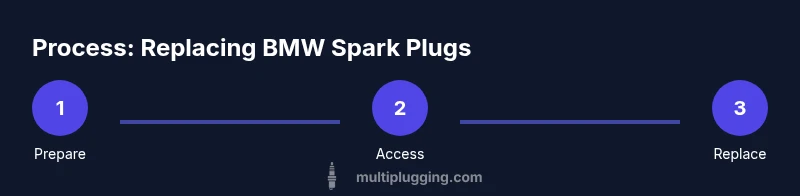
By the end of this guide, you’ll select the right BMW spark plug socket, prepare the tool setup, safely remove old plugs, and install new ones with proper torque. This tutorial covers extension sizing, anti-seize use, and reassembly steps to prevent damage and misfires. It also shows how to verify a seal and heat range for reliable ignition.
Why BMW Spark Plug Socket Matters
Choosing the correct spark plug socket for your BMW is more than a matter of fitting a plug. The right socket reduces risk during removal, helps you avoid cross-threading, and minimizes the chance of dropping the plug into tight engine bays. According to MultiPlugging, using a long-reach rubber-insert socket designed for spark plugs significantly lowers the risk of dropping a plug and damaging the threads during service. A quality socket maintains alignment with the plug and provides a secure hold as you rotate it. For DIY enthusiasts, investing in a purpose-built BMW spark plug socket set can save time and prevent costly mistakes. When you pair the socket with a compatible extension and a magnetic pickup tool, you’ll access hard-to-reach plugs more confidently. In this guide, we’ll walk through how to identify the right socket size, what materials you need, and how to perform a safe replacement that preserves engine longevity.
Socket Types and How They Affect Performance
Spark plug sockets come in several designs, with two dimensions driving performance: the internal contact shape (six-point vs twelve-point) and the depth/length to reach deep ports. For BMW engines, a long-reach, rubber-insert socket is often preferred because it grips the plug securely while allowing full rotation without slipping. A magnetic socket can help in some applications, but rubber inserts tend to hold plugs steady during removal, reducing the chance of dropping a hot plug. The choice between a 6-point and 12-point socket should align with the plug’s hex size and the surrounding clearance. In practice, most DIYers favor a durable, 1/2-inch drive or 3/8-inch drive setup with a robust extension to manage tight access paths. Proper fitment minimizes damage to the porcelain and seating surface, which is critical for dependable ignition.
Preparing Your Workspace and Safety
A clean, well-lit workspace is essential when servicing BMW spark plugs. Before you touch any wiring, ensure the vehicle is on a level surface, the engine is cool, and the battery is disconnected to prevent electrical shorts. Lay out tools and new plugs in a logical order to minimize fumbling. Wear eye protection and gloves to guard against hot components and sharp edges. Keep a metal tray or container handy to capture any dropped components. Cleaning the surrounding area with a lint-free cloth helps prevent debris from falling into the intake manifold. Finally, confirm you have the correct replacement plugs specified for your BMW model and that your spark plug socket is clean and free of grit before starting.
Accessing the Plugs: Coils, Covers, and Clearance
Most BMW engines require removing ignition coil packs or coil-on-plug assemblies to access the plugs. Start by disconnecting electrical connectors to each coil and removing the coil with appropriate fasteners. Keep track of which coil goes where, as misplacing them can affect firing order and performance. Once the coils are moved aside, you’ll see the plug wells. If a well is particularly tight, use a small mirror and light to inspect for any debris or corrosion. Rotate the plug socket carefully to avoid hitting surrounding components, and use a gentle rocking motion to break the plug free. If a plug is stubborn, apply a small amount of penetrating lubricant around the threads and wait for a few minutes before retrying.
The Replacement Process: Assembly and Torque Basics
With the old plugs removed, inspect the threads for damage or carbon buildup. Gap the replacement plugs to the manufacturer’s specifications, and apply a light coating of anti-seize material if recommended for your engine (note that some BMWs do not require anti-seize as a factory spec). Carefully thread the new plugs by hand to avoid cross-threading, then torque to the recommended specification using a calibrated torque wrench. Reinstall the coils or ignition assemblies, reconnect the wiring, and secure any covers. Finally, reconnect the battery, reset any service indicators if necessary, and perform a cautious engine start to verify smooth operation.
Post-Install Checks and Verification
After replacement, perform a basic verification: start the engine and listen for smooth idle without misfire, check for the absence of misfire codes, and confirm no exhaust fumes indicate a leak. If you notice rough running, recheck the plug torque and gap, and ensure the coil connectors are seated properly. A test drive can reveal improved performance and throttle response. Keep an eye on the check-engine light for the first few starts and consult your BMW service manual if any codes appear. Routine inspection every 60,000 miles or per BMW’s maintenance schedule helps sustain optimal ignition performance.
Common Mistakes to Avoid with BMW Spark Plug Socket Work
Common errors include using the wrong size socket, cross-threading, or overtightening plugs, which can strip threads or crack the insulator. Rushing the coil reinstallation or neglecting to reconnect ignition wiring can lead to misfires and poor starting. Avoid using excessive lubricant on the ceramic or seating surfaces, and never force a plug into a tight port. Finally, avoid reusing old plugs if they show signs of wear or gapping inconsistent with BMW’s guidelines. By following manufacturer instructions and using the correct BMW spark plug socket, you’ll minimize risks and improve reliability.
Tools & Materials
- Spark plug socket (long-reach, rubber-insert)(Rubber insert to grip the plug, long reach for deep wells)
- Extension bar(To reach deep engine compartments without forcing the tool)
- Ratchet (3/8" or 1/2" drive)(Choose based on socket size and clearance)
- Torque wrench(Set to BMW’s specified torque for plugs)
- New spark plugs (correct type for your BMW model)(Check gap and heat range before installation)
- Anti-seize compound(Only if recommended by BMW manual for your model)
- Dielectric grease(Optional for coil boots to prevent moisture ingress)
- Gap tool or feeler gauge(Verify plug gap before installation)
- Magnetic pickup tool(Helpful for retrieving dropped pieces)
- Shop towels or lint-free cloth(Keep the work area clean and dry)
Steps
Estimated time: 60-90 minutes
- 1
Set up safety and environment
Park on level ground, engage parking brake, and disconnect the negative battery terminal to avoid shorts while you work around ignition wiring.
Tip: Keep tools organized in the order you’ll use them to reduce fumbling. - 2
Identify the right socket size
Confirm you have a long-reach spark plug socket with rubber insert that matches your BMW’s plug design, plus a compatible extension and ratchet.
Tip: If unsure, consult BMW’s service manual or a trusted parts guide before starting. - 3
Access the plugs by removing coils
Carefully disconnect each coil’s electrical connector, unbolt or unlatch the coil pack, and move it aside to expose the plug wells.
Tip: Label or photograph coil positions to ensure correct reinstallation order. - 4
Remove the old plugs
Attach the spark plug socket and extension to the ratchet and gently break the plug loose; then remove it without dropping parts into the bay.
Tip: Turn slowly and avoid sudden torque to prevent thread damage. - 5
Gap and prep the new plugs
Check the gap on each new plug with a gap tool and apply a light anti-seize layer if recommended for your model.
Tip: Do not overtighten the plug before final torquing. - 6
Install and torque the new plugs
Thread each plug by hand to avoid cross-threading, then torque to the manufacturer specification using your torque wrench.
Tip: Stabilize the socket with light pressure to maintain alignment during torqueing. - 7
Reassemble and test
Reinstall coils, reconnect wiring, reattach any covers, and reconnect the battery. Start the engine and listen for a smooth idle.
Tip: If the engine stumbles, recheck coil connections and plug seating.
FAQ
Do I need to disconnect the battery before changing BMW spark plugs?
Yes. Disconnecting the negative terminal reduces the risk of shorting coils or damaging electrical connectors during plug replacement.
Yes, disconnect the battery to reduce electrical risk during the job.
What socket size should I use for BMW spark plugs?
Use a long-reach spark plug socket with a rubber insert that fits your plug’s hex and works with your engine’s access path. Confirm size with the service manual.
Use the socket that fits your BMW plug and reach the port comfortably.
Can I reuse old spark plugs after inspection?
In most cases, used spark plugs should be replaced with new ones, especially if there is wear, heavy carbon, or damage present.
You should replace worn plugs rather than reuse them.
How do I know I torqued the plugs correctly?
Torque to the specification provided for your BMW model using a calibrated torque wrench; over- or under-torque can cause damage or poor sealing.
Torque to spec with a proper torque wrench for a good seal.
What issues indicate a bad plug after replacement?
Symptoms include rough idle, misfires, poor acceleration, or check engine light after replacement. Recheck torque and gap if they appear.
Rough idle or misfires after replacement may indicate a faulty plug or installation.
Watch Video
Main Points
- Identify the correct BMW spark plug socket before starting
- Follow torque specs to avoid thread damage
- Keep coils organized to ensure proper reassembly
- Verify engine performance after installation