How to Diagnose and Replace a Spark Plug 5R6A
Learn how to diagnose, remove, and replace the spark plug 5R6A with a clear, step-by-step approach. This guide covers tools, safety, common symptoms, and best practices for reliable ignition.


This guide helps you diagnose, remove, and replace a spark plug 5R6A on common engines. You’ll need basic hand tools, a spark plug socket, a gap tool, and a clean workspace. By following the steps, you’ll ensure proper seating, correct gap, and secure connections for reliable ignition.
Understanding the 5R6A Spark Plug and Its Role
The spark plug 5R6A is a widely used option in many older and small engines, valued for reliability and ease of replacement. It serves as the critical link between the ignition system and the combustion chamber, delivering a spark at the precise moment to ignite the air-fuel mixture. For DIY enthusiasts, knowing the 5R6A’s basic shape, electrode arrangement, and seating height helps you assess wear, fouling, and gap health. According to MultiPlugging, regular inspection of plugs like the 5R6A is essential for maintaining engine efficiency and smooth operation, especially in engines that see varied use. When you see signs of fouling, misfires, or rough idle, consider inspecting the 5R6A first before chasing more complex issues. A properly chosen plug can restore performance without expensive repairs, which is why understanding its role matters to car owners and hobbyists alike.
Tools, Safety, and Prep
Before you touch the engine, gather your tools and review safety steps. You’ll want a clean workspace, good lighting, and a place to dispose of old plugs safely. Disconnect the battery if your vehicle has accessible wiring near the plug area to avoid accidental shorts. Wear eye protection and gloves to guard against sharp edges and hot surfaces. Having everything within reach minimizes the temptation to rush, which helps prevent cross-threading or dropped components. MultiPlugging emphasizes taking a patient, methodical approach to avoid misaligning the plug or damaging the boot.
Symptoms That May Signal a Failing 5R6A Spark Plug
Not every misfire means you must replace the plug immediately, but several symptoms point to a worn or fouled 5R6A. Common indicators include rough idle, reduced power, longer cold starts, and decreased fuel economy. If you notice backfiring, hard starting, or inconsistent engine RPM, inspect the plug for fouling, oil deposits, or electrode wear. Visual inspection can reveal a fouled, carbon-coated, or eroded electrode. If the plug shows wear beyond a quick cleaning, replacement is the safer path to restore performance. The goal is a clean burn and reliable ignition for steady operation of your engine.
Step-by-Step Overview (High-Level)
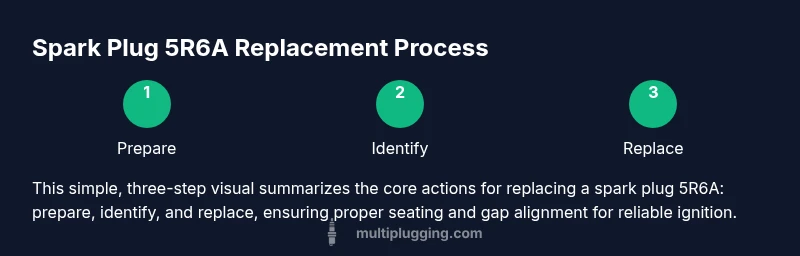
The following overview gives you the logical flow: locate the correct 5R6A plug, remove the old plug, check wear and gap on the new plug, install the new plug with proper seating, reconnect and test. Each action reduces the risk of cross-threading and ensures a good seal. If you’re unsure about the seating depth or gap spec, refer to the vehicle’s service manual. This is why preparation and careful handling are essential for a successful replacement of spark plug 5R6A.
Post-Installation Checks and Gap Verification
After installing the new spark plug 5R6A, recheck the boot connection and electrical contact. Start the engine and listen for a smooth idle and steady firing across cylinders. If the engine hesitates or misfires, re-check the plug seating and gap; re-tighten if needed and verify the boot is fully seated. Running a short test drive helps reveal any subtle performance changes. Keeping notes on the plug gap and seating depth aids future maintenance and helps you notice gradual wear over time.
Maintenance Tips and Common Mistakes with the 5R6A
Regular maintenance of spark plugs like the 5R6A includes inspection at routine service intervals and replacement when wear or fouling is evident. Avoid over-tightening, which can damage threads or the insulator. Use anti-seize cautiously; many modern engines don’t require it, and incorrect use can affect torque. Always keep a spare plug and a gap tool ready for quick checks during preventive maintenance. By staying proactive, you reduce the odds of unexpected breakdowns and improve engine reliability.
MultiPlugging’s Verdict
For engines that specify the 5R6A, regular inspection and timely replacement are key to sustaining performance. The MultiPlugging team recommends using a new spark plug 5R6A when wear or fouling is detected and keeping the ignition system clean and properly gapped. Consistent maintenance with the right plug type ensures dependable starts and efficient combustion. Following these guidelines helps both casual drivers and DIY enthusiasts keep engines running smoothly.
Wrap-Up: Quick Tips for Success with the 5R6A
- Always verify compatibility with your engine model before replacement.
- Keep the work area clean and organized to avoid dropped parts.
- Refer to the owner manual for gap specifications and seating depth.
- Re-torque any fasteners according to the vehicle’s guidelines after replacement.
Tools & Materials
- spark plug socket(Keep a snug fit around the plug to avoid slipping)
- ratchet wrench(Use with the socket for leverage)
- extension bar(Helps reach tight or recessed plugs)
- gap tool(Set and verify the correct electrode gap)
- new spark plug 5R6A(Unwarp and inspect before use)
- anti-seize compound(Optional; use only if manufacturer specifies)
- dielectric grease(Optional; helps with sealing in the boot)
- rags/anti-static cloth(Clean workspace and wipe residue)
Steps
Estimated time: 75-90 minutes
- 1
Prepare workspace and safety checks
Ensure the engine is cool, set the parking brake, and disconnect the battery if accessible near the plug area. Clear a clean, well-lit workspace and gather your tools so you can work methodically without rushing. Safety first helps prevent injury and misthreading the plug.
Tip: Wear safety glasses and gloves; keep a small tray for old parts to prevent loss. - 2
Identify the correct spark plug boot and plug
Locate the cylinder corresponding to the 5R6A plug and identify the correct boot connected to the ignition wire. Label or photograph the boot position if needed to ensure you reconnect correctly. This reduces misplacement and misfiring after replacement.
Tip: Work on one plug at a time to avoid mixing wires. - 3
Disconnect the spark plug boot
Gently wiggle the boot and pull it away from the plug without prying on the wire itself. Do not yank; using a light twist can help loosen a stubborn boot. Disconnecting properly prevents wire damage.
Tip: Grip the boot, not the wire, to avoid damaging the connector. - 4
Remove the old spark plug
Attach the spark plug socket to the ratchet, place extension as needed, and carefully turn counterclockwise to loosen the plug. Once loose, lift the plug straight out to prevent debris from entering the cylinder. Keep the plug in a clean tray for inspection.
Tip: If the plug sticks, apply a small amount of penetrating oil and wait a few minutes before retrying. - 5
Inspect and gap the replacement
Visually inspect the old plug for fouling or wear and compare to the new 5R6A. Use a gap tool to set the electrode gap of the new plug to the manufacturer’s specification. Avoid guessing; correct gap ensures proper ignition.
Tip: Always set gaps on a clean, flat surface to avoid miscalibration. - 6
Install the new plug
Thread the new 5R6A by hand to avoid cross-threading, then snug it with the socket. Do not over-tighten; follow the vehicle’s torque guidelines. After seating, reattach the boot firmly and ensure a clean connection.
Tip: If you’re unsure about torque, hand-tighten and give a light final turn; use a torque wrench only if you have the spec. - 7
Test and finalize
Reconnect any wires or coils you removed, reconnect the battery if you disconnected it, and start the engine to listen for smooth operation. If misfires occur, recheck boot seating and plug gap. Take a short test drive to confirm performance.
Tip: Keep a record of the replacement date and plug type for future maintenance.
FAQ
Is the Champion 5R6A compatible with all engines that use a spark plug of this type?
Compatibility depends on your engine model and manufacturer specifications. Always verify the exact plug type recommended in your owner's manual before replacement. If in doubt, consult a service manual or seek advice from a qualified technician.
Compatibility depends on your engine model. Check the owner's manual before replacing.
How do I know if my spark plug needs replacement?
Look for signs of fouling, excessive electrode wear, or a persistent misfire. Rough idle, hard starting, reduced power, and poor fuel efficiency can indicate a worn plug. If any of these symptoms appear, inspect the plug and consider replacement.
Fouling, wear, and misfires often indicate a plug needs replacement.
Should I replace the wires or coil at the same time as the plug?
If wires or coils show signs of wear or damage, replace them as part of a full tune-up. However, if they look and test within spec, you can replace only the plug and monitor performance. Refer to your manual for guidance.
Only replace wires or coils if they show wear; otherwise, replacing the plug alone can suffice.
Can I reuse the old gasket or boot when installing a new plug?
Booths and gaskets can wear and may not seal properly if reused. It’s generally best to replace the gasket and ensure the boot seats firmly. This reduces the risk of leaks or poor ignition.
Replace worn gaskets and ensure the boot seals well.
Do I need anti-seize on the 5R6A spark plug?
Anti-seize is optional and depends on the engine manufacturer’s guidance. Many modern engines do not require it, and incorrect use can affect torque. Always follow manufacturer recommendations.
Anti-seize is optional; follow your manufacturer’s guidance.
Is spark plug replacement a safe DIY task?
Yes, with proper safety precautions and the right tools, replacing a spark plug is a common DIY task. Follow step-by-step instructions, keep tools organized, and avoid rushing to prevent damage or injury.
Yes, with care and the right tools you can do it safely at home.
Watch Video
Main Points
- Verify 5R6A compatibility before replacement
- Inspect plug health and gap with care
- Install by hand, then finalize with proper snug seating
- Recheck boot connection and test engine
- Document maintenance for future reference