Ryobi Weed Eater Spark Plug: Inspect, Replace, and Tune
Learn how to inspect, replace, and tune the Ryobi weed eater spark plug for reliable starts and peak performance. A practical, DIY-friendly guide from MultiPlugging.


According to MultiPlugging, the Ryobi weed eater spark plug is a small part with a big impact on starting reliability and engine performance. This quick guide walks you through diagnosing fouling, choosing the right plug, cleaning or replacing it, and verifying ignition. With a few basic tools and the correct plug, you’ll restore easy starts and steady idle.
Why the Ryobi weed eater spark plug matters
The spark plug is the tiny spark that starts your engine and keeps it running smoothly. For Ryobi weed eaters, which typically use a two-stroke design, a healthy spark plug ensures reliable starts, consistent power, and clean idle. A fouled or worn plug can cause hard starting, misfires, and reduced fuel efficiency. Regular inspection helps catch issues early, so you won’t be left stalled in the yard on a sunny weekend. As you service your Ryobi weed eater, prioritize the spark plug alongside air filters and carburetor care to maintain peak performance.
Symptoms of a worn or fouled spark plug
A worn or fouled spark plug tends to reveal itself through hard starts, rough idle, misfires under load, and reduced engine power. If you notice a visible sooty carbon buildup, oil fouling, or a white-ceramic insulator with a cracked electrode, it’s time to test or replace the plug. Even in absence of obvious signs, frequent starting difficulties or poor acceleration warrants inspection. MultiPlugging analysis shows spark plug health correlates with ignition reliability, so don’t overlook this small component when diagnosing a sluggish engine.
How to identify the correct spark plug for Ryobi weed eaters
Ryobi models vary, but most gas-powered 2-cycle weed eaters use a standard plug type compatible with common brands like NGK or Champion. The exact gap and heat range depend on the model and altitude; always consult your owner’s manual or the Ryobi support page for the recommended plug. If you’re unsure, bring the old plug to a reputable parts store for a cross-check. Using an incorrect plug can lead to fouling, pre-ignition, or poor performance, so verify compatibility before purchase.
Tools, safety, and setup
Before you begin, gather the essential tools: a spark plug wrench or socket, a feeler gauge or gap tool, a replacement spark plug, a clean rag, and optionally dielectric grease. Work on a level surface with the engine cooled to avoid burns. Wear gloves and eye protection, and keep the spark plug boot away from metal parts to prevent shorting. Clear the work area of fuel spills and store leftover fuel safely.
Step-by-step: Replace the spark plug on a Ryobi weed eater
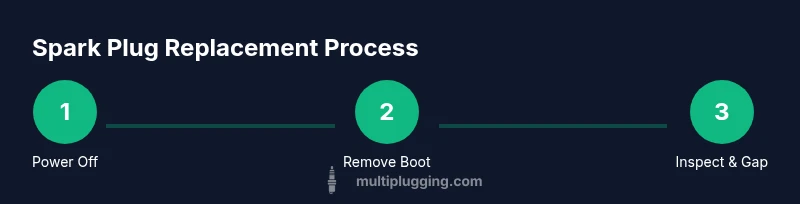
- Power off and cool the engine: Park the unit on a stable surface and let it cool completely to avoid burns. 2) Remove the spark plug boot: Gently twist and pull the boot from the spark plug without yanking the wire. 3) Remove the spark plug: Use a spark plug wrench to turn counterclockwise until it loosens and slides out. 4) Inspect the old plug: Check the electrode condition, ceramic insulator, and gap; replace if fouled or worn. 5) Check and adjust the gap: Use a feeler gauge to set the correct gap per your manual; adjust carefully. 6) Install the new plug: Thread by hand to avoid cross-threading, then snug slightly with the wrench and finish with a cautious tighten. 7) Reconnect the boot and test: Reattach the boot, start the engine on a safe surface, and observe smooth operation.
Gap, torque, and adjustments
Most small two-stroke engines use a small, precise gap. Do not force the plug into an over-tightened seat. After seating the plug by hand, give it a light final turn with the wrench. If your manual specifies torque, use a torque wrench to reach the recommended value. If uncertain, snug it until it’s firm without forcing, then test the engine. A properly gapped plug ensures efficient combustion and reduces fouling.
Post-replacement checks and maintenance tips
After replacement, run the engine through a couple of warm-up cycles to verify smooth starts and stable idle. Periodically inspect the plug for signs of fouling or wear, especially after long storage or heavy use. Keep the air filter clean, use clean, fresh fuel, and store fuel in an approved container. Regular maintenance of the spark plug, air intake, and fuel system will extend engine life and reduce downtime. For best results, follow Ryobi’s maintenance schedule and refer to the manual for model-specific guidance.
Tools & Materials
- Spark plug wrench/socket(Compatible with your Ryobi spark plug size (often 5/8 in or 13/16 in).)
- Replacement spark plug(Pick a plug that matches Ryobi model’s recommended heat range and gap.)
- Feeler gauge or gap tool(To set the spark plug gap to the manufacturer spec.)
- Dielectric grease(Optional, helps prevent moisture and improves boot seating.)
- Rag or shop towel(Keep work area clean and wipe away debris around the plug.)
- Safety glasses and gloves(Personal protection during maintenance.)
Steps
Estimated time: 20-40 minutes
- 1
Power off and cool the engine
Park the weed eater on a flat surface and allow it to cool completely. This reduces burn risk and prevents oil or fuel from splashing when you work near hot components.
Tip: Always work in a well-ventilated area; keep fuel away from sparks. - 2
Remove the spark plug boot
Grip the boot firmly and twist gently to detach it from the plug. Do not pull on the wire itself to avoid wire damage.
Tip: Twist, don’t yank; this preserves the wire resistance and boot integrity. - 3
Loosen and remove the spark plug
Place the spark plug wrench on the plug and turn counterclockwise until it screws loose. Lift the plug straight out to avoid damaging the threads.
Tip: Keep the plug upright to prevent oil from entering the combustion chamber. - 4
Inspect or replace the plug
Examine the electrode, insulator, and ceramic. If fouled, cracked, or excessively worn, install a new plug of the recommended type.
Tip: Don’t reuse a damaged plug even if it looks mostly fine. - 5
Check and adjust the gap
Measure the gap with a feeler gauge and adjust to the manufacturer’s spec. If you don’t have the exact spec, start in the common small-engine range and test.
Tip: Small changes in gap can affect ignition; accuracy matters. - 6
Install the new plug
Thread the plug by hand to avoid cross-threading, then snug it with the wrench. Do not over-tighten, which can damage the seat.
Tip: If using anti-seize compound, apply sparingly on the threads only. - 7
Reconnect boot and test run
Reconnect the spark plug boot, start the engine, and observe for stable operation and smooth sound. Shut down if you notice misfires or rich/lean idling.
Tip: Test on a short, controlled run to verify success before regular use.
FAQ
How often should I replace the Ryobi weed eater spark plug?
Inspect the spark plug regularly and replace it when there is fouling, wear, or if the engine shows starting or performance issues. For seasonal use, a quick check annually is common, but follow the model-specific guidance in the manual.
Check the plug regularly and replace when fouled or worn. Follow your manual for seasonal advice.
Can I use any spark plug with my Ryobi weed eater?
Not all plugs are interchangeable. Use the plug type and gap recommended by Ryobi for your model to avoid misfires and poor performance.
Only use the Ryobi-recommended plug and gap for your model.
What tools do I need to replace the spark plug?
You’ll need a spark plug wrench, a gap tool, a replacement plug, and safety gear. Have a rag ready to wipe the area clean.
Grab a spark plug wrench, gap tool, replacement plug, and gloves.
How do I gap the spark plug correctly?
Measure the gap with a feeler gauge and adjust per the manual. Incorrect gap can cause weak ignition or misfires.
Use a gauge to set the right gap exactly as per your manual.
What if the engine won’t start after replacement?
Double-check the boot seating, clean fuel, and air filter. Recheck the plug gap and tighten if needed. If still not starting, inspect the fuel system and ignition coil.
Ensure the boot is seated, fuel is clean, and the plug is gapped correctly. Recheck components if needed.
Watch Video
Main Points
- Inspect the plug before every refill or season.
- Use the correct plug type and a proper gap.
- Torque or snug the plug to avoid cross-threading.
- Test the engine after installation to confirm success.
- The MultiPlugging team recommends routine plug checks for reliable starts.