Spark Plug Weed Eater: DIY Replacement Guide
Learn how to diagnose, replace, and optimize spark plugs on weed eaters. This step-by-step guide covers safety, plug selection, proper gap, and troubleshooting for reliable yard work.


You will learn how to diagnose a misfiring weed eater and service its spark plug, including how to identify the correct plug type, remove the old plug, gap and inspect, clean or replace, and test for proper ignition. This quick guide covers safety tips, common symptoms, and when to consult a mechanic.
What is a spark plug and why it matters for a weed eater
The spark plug is a small, essential component in gas-powered weed eaters. It provides the spark that ignites the air-fuel mix inside the engine cylinder, which starts the combustion process. For two-stroke weed eaters, dependable ignition is critical for reliable starts, steady idle, good acceleration, and efficient fuel use. A fouled plug can cause misfires, rough starting, or loss of power even when fuel and air delivery seem fine.
In practice, the plug's performance depends on its gap, electrode wear, and the engine's operating conditions. The plug has a center electrode insulated by ceramic, a threaded shell that seals to the cylinder head, and a ground electrode that forms the ignition gap. If the gap is too wide or too narrow, the ignition may fail or be weak. Copper-core plugs are common and inexpensive; platinum and iridium options last longer but may cost more. For most home users, starting with a standard copper-core plug and checking the gap against the manual is a solid approach. Regular visual checks—look for carbon fouling, oil fouling, or blistering on the ceramic—help you catch problems before they affect performance. The MultiPlugging team emphasizes regular spark plug weed eater checks to reduce misfires and improve reliability in lawn care.
Symptoms of a faulty spark plug in weed eaters
A bad spark plug often reveals itself before you notice other engine problems. If the weed eater is hard to start, runs roughly, or stalls at idle, a fouled or worn plug may be to blame. Misfires can cause intermittent power loss during cutting, while a plugged gap can produce sluggish acceleration or consistent sputtering under load. You might also see white or black soot on the plug tip, oily deposits, or a damaged ceramic insulator. Fuel quality, storage conditions, and engine age all influence plug wear, so consider these factors when diagnosing symptoms. Always rule out fuel problems, air filters, and carburetor cleanliness first, but do not overlook the spark plug as a common culprit. Regular inspection and quick replacement can restore performance and prevent further engine wear. According to MultiPlugging, recognizing spark plug symptoms early saves time and money for DIYers working on weed eaters.
Types of spark plugs for weed eaters
Spark plugs for small gas engines come in several core designs. Copper-core plugs are the most affordable and provide reliable ignition for many two-stroke weed eaters, but they wear out faster than advanced options. Platinum plugs offer longer service life with similar firing characteristics, while iridium plugs maximize durability and resistance to fouling in hotter running conditions. When selecting a plug, consider the engine’s heat range, the operating temperature, and the recommended gap. In most home applications, a standard copper-core plug adjusted to the service manual spec works well. If you’re chasing longer life or more consistent performance in demanding trimming sessions, upgrading to a platinum or iridium option can be worthwhile, provided you verify compatibility with your model. Always verify thread size and reach before purchasing a replacement. This choice directly affects starting ease, fuel efficiency, and overall reliability of your spark plug weed eater.
How to choose the right spark plug for your model
Your weed eater manual or the existing plug packaging will tell you the correct type and gap. Start by matching thread size and reach to the cylinder head, then confirm the heat range is appropriate for your climate and operating temperature. If you're unsure, a standard copper-core plug with the factory gap is a safe starting point. Check the gap with a feeler gauge and adjust to the manual’s specification before installation. Keep in mind that some models use non-standard shapes or ground electrodes; in those cases, consult the OEM guide or a reputable parts retailer. After installation, run the engine to verify smooth starts and a steady idle. Proper plug selection not only improves starting but also reduces misfires and improves overall efficiency for spark plug weed eater maintenance.
Tools and safety before you start
Before pulling the spark plug, park the trimmer on a level surface, engage the kill switch, and wait for the engine to cool completely. Wear protective gloves and safety glasses to guard against fuel and hot metal. Disconnect the spark plug boot to prevent accidental starts, and work in a well-ventilated area away from open flames. Have a clean rag handy to wipe dust and fuel residue from the plug area, and prepare a small tray to contain any dropped parts. Use the correct spark plug socket size and a torque-friendly gauge if you have one. If you’re unsure about fuel mix or oil ratio, refer to the manual or label on the container. These precautions keep you safe while you inspect, gap, and replace the spark plug weed eater.
Step-by-step overview for replacing the spark plug
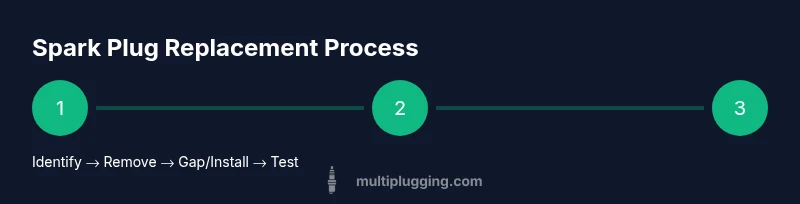
To help you follow the detailed procedure in the steps block, here is a concise overview of the actions you’ll perform:
- Identify the spark plug location and verify model compatibility.
- Remove the boot and loosen the old plug with the correct socket.
- Inspect the old plug and decide if cleaning is possible or if replacement is required.
- Check and adjust the gap on the new plug to the manual’s specification.
- Install the new plug and snug it to the recommended torque.
- Reconnect the spark plug boot, start the engine, and test for smooth operation.
Common mistakes and how to avoid them
Common mistakes include over-tightening the plug, using the wrong thread size, and neglecting to gap the new plug correctly. Always verify the plug type and repair manual guidance, double-check the gap, and use a proper socket with a snug fit to prevent stripping threads. Keep the work area clean, avoid crushing the ceramic insulator, and never reuse a dirty, fouled plug. With careful checks, your spark plug weed eater will start reliably and run cleanly again.
Maintenance tips to extend spark plug life
Regular maintenance helps you get the most life from each plug and keeps your weed eater performing at its best. Clean the area around the spark plug to prevent dirt from entering the combustion chamber during replacement. Inspect the spark plug after each season or after heavy use, and replace when the electrode looks worn or sooty. Use fresh fuel in the correct mixture and avoid storing fuel in warm, poorly ventilated spaces. Consider keeping a spare plug on hand for quick swaps during peak mowing season.
Troubleshooting ignition problems after replacement
If the weed eater still misfires after replacing the spark plug, recheck the gap, inspect the ignition coil and kill switch for faults, and verify the air filter is clean. Ensure the fuel mix matches the engine’s requirements and that the choke function operates correctly. If ignition problems persist, consult the user manual or a professional technician to avoid further engine damage.
Tools & Materials
- Spark plug socket wrench (3/8 in drive) with rubber insert(Essential for removing/installing plugs without dropping them)
- New spark plug of correct heat range(Buy one that matches your model; check reach and threads)
- Spark plug gap gauge(Set gap to the vehicle/manual specification before installation)
- Clean rag(Wipe dirt around plug area before removal)
- Gloves and safety glasses(Protect hands and eyes from fuel and sharp parts)
- Torque wrench or torque driver (optional)(Use for precise tightening if your manual calls for a specific torque)
- Fuel-safe container and funnel(If draining fuel or inspecting fuel lines is needed)
- Small tray or mat(Catch dropped parts to keep work area clean)
Steps
Estimated time: 30-45 minutes
- 1
Power off and cool the engine
Ensure the weed eater is turned off and cooled completely before any work begins. Remove the battery or disconnect the spark plug boot to prevent accidental starting. This reduces the risk of burns and keeps you safe during the replacement.
Tip: Take your time and verify no power source is connected before touching any engine components. - 2
Disconnect the spark plug boot and locate the plug
Grasp the boot and gently pull it away from the spark plug to prevent accidental ignition. Locate the plug within the cylinder head area and inspect surrounding components for dirt or fuel spray that could enter the combustion chamber.
Tip: If the boot is stiff, wiggle gently rather than yanking to avoid damage. - 3
Remove the old spark plug
Attach the spark plug socket, turn counterclockwise to loosen, then remove the plug by hand. Inspect the old plug for fouling, wear, or cracks which indicate engine wear or fuel problems.
Tip: Keep the plug in a safe place to avoid loss or damage before replacement. - 4
Check and adjust the gap on the new plug
Use the gap gauge to measure the new plug’s center electrode to the ground electrode. Adjust the gap according to your model’s specification before installation.
Tip: A small misgap can cause misfires; precision here saves troubleshooting time. - 5
Install the new spark plug
Thread the new plug in by hand to avoid cross-threading, then snug it with a wrench. If your manual specifies torque, apply the recommended torque using a torque wrench.
Tip: Hand-tighten first, then finish with a tool—avoid over-tightening which can strip threads. - 6
Reconnect the boot and test the engine
Reattach the spark plug boot, set the choke if needed, and start the engine to verify smooth operation. Listen for consistent firing and no unusual sounds or smoke.
Tip: If the engine stalls, recheck the gap and ensure fuel and air systems are clean.
FAQ
Do I need to gap the spark plug for a weed eater?
Yes. Always gap the plug to the manufacturer’s specification before installation to ensure reliable ignition. An incorrect gap can cause misfires and poor starting.
Yes. Make sure the plug gap matches your manual before you install it, or it may misfire.
What plug type should I use for my weed eater?
Use the plug type recommended in your user manual or by the plug packaging. For many two-stroke weed eaters, a copper-core plug is standard, but some models benefit from platinum or iridium for longer life.
Check the manual for the exact plug type; copper-core is common, but some models prefer platinum or iridium.
Can I use a car spark plug in a weed eater?
Car plugs are not recommended for most small engines due to different heat ranges and thread designs. Use a plug designed for small two-stroke engines unless the manual specifies compatibility.
No, car plugs aren’t usually suitable for weed eaters; stick with a small-engine plug unless the manual says otherwise.
What should I do if the engine won’t start after replacement?
First, recheck the plug gap and ensure the boot is fully connected. Verify fuel and air delivery, and inspect the spark plug for correct seating. If problems persist, consult the manual or a service professional.
If it won’t start, double-check the gap and boot, then review fuel and air delivery before seeking help.
Should I replace the fuel mix when replacing the spark plug?
If the engine has run poorly or flooded, replacing old fuel with fresh mix is wise. However, changing the spark plug does not by itself require new fuel unless the fuel system was affected.
Replace old fuel with fresh mix if there was fuel issues, but plug replacement doesn’t automatically require new fuel.
Watch Video
Main Points
- Inspect spark plugs regularly for wear.
- Use the correct plug type and gap per manual.
- Always safety-check power and ignition before work.
- Test-run the engine after replacement to confirm proper ignition.