Lawn Mower Spark Plug: Diagnosis, Replacement, and Care
Learn how to diagnose, replace, and maintain a lawn mower spark plug with practical, step-by-step guidance from MultiPlugging. Includes safety tips, tool lists, and troubleshooting.


You will learn how to inspect, test, and replace a lawn mower spark plug to restore smooth starting and reliable engine performance. This guide covers when to replace, how to gap the plug, and best practices for safe removal and installation, along with maintenance tips.
Understanding the role of the lawn mower spark plug
The lawn mower spark plug is a small but crucial component of small engines. It delivers the electric spark that ignites the air-fuel mixture inside the combustion chamber. A healthy plug promotes clean burning, steady starts, and consistent power output. According to MultiPlugging, regular spark plug maintenance is a proven cost-saving practice that helps avoid hard starts and rough idling caused by fouling or wear. In practice, the plug’s condition often mirrors engine health: worn electrodes, oily residues, or heavy carbon deposits can indicate fuel system issues or compression loss. By understanding its function, you can diagnose issues early, plan the right replacement interval, and choose the correct plug type for your mower.
Types of lawn mower spark plugs and what they mean
Not all plugs are created equal. Most lawn mowers use copper-core plugs for price and good conductivity, while modern engines may use platinum or iridium variants for longer life. Copper plugs heat up quickly but wear faster; platinum and iridium plugs resist wear longer but can cost more. The right choice depends on engine design, operating conditions, and maintenance habits. Heat range, gap, and thread size matter just as much as brand reputation. When in doubt, consult your mower’s owner manual and follow the recommended heat range and gap specifications. MultiPlugging’s analysis in 2026 emphasizes using the manufacturer’s spec to maximize reliability and avoid fouling.
Signs your lawn mower spark plug needs attention
Common indicators include hard starts, rough idle, misfires, reduced power, increased fuel consumption, and visible deposits on the plug. Fouling appears as black, oily, or crusty residue; worn electrodes show a rounded or eroded gap. If you observe any of these signs, schedule a quick inspection. A fouled or worn plug often looks different from a clean, new one, and it’s usually enough reason to replace rather than attempt a risky cleaning. Regular checks help you identify issues before they escalate into costlier engine problems.
Tools & Materials
- Spark plug socket (typically 3/8" or 1/2" drive)(Size matches the plug’s hex on the base; common sizes are 13/16" or 21mm.)
- Feeler gauge or plug-gap tool(Used to verify and adjust the electrical gap.)
- Replacement spark plugs (correct thread size and heat range)(Avoid mixing incompatible plugs; match to your mower's manual.)
- Wrench or pliers (as needed)(To loosen stubborn caps or clamps.)
- Rags and a small brush(Clean the area around the plug before removal.)
- Safety gear (gloves, eye protection)(Protect hands and eyes from debris and fuel.)
- Torque wrench (optional)(Helps apply the correct snug torque if your manual specifies.)
Steps
Estimated time: 20-40 minutes
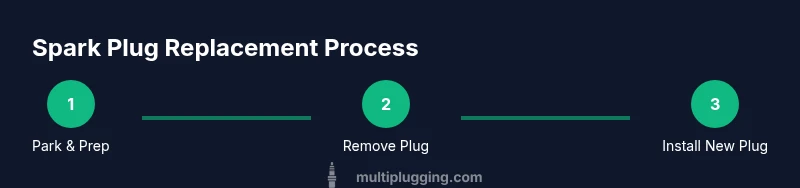
- 1
Park and cool the engine
Turn off the mower and allow the engine to cool for several minutes to avoid burns. Move to a well-lit, level workspace and disconnect any safety keys or switches as a precaution.
Tip: A cool engine reduces the risk of warping or damaging components during plug removal. - 2
Disconnect the spark plug boot
Grasp the boot (the rubber cap) firmly and pull it straight off the spark plug. Do not yank on the wire, which can damage the lead. If the boot is stiff, apply a small amount of dielectric grease on a cloth to ease removal next time.
Tip: Wiggle gently if it’s stubborn; forcing it can crack the coil boot. - 3
Remove the old spark plug
Place the spark plug socket over the plug and turn counterclockwise to loosen it. Lift the plug straight up and out, keeping the surrounding area clean to avoid debris entering the cylinder.
Tip: Note the plug’s condition as you remove it—this informs your diagnosis. - 4
Inspect and assess the plug
Examine the electrode for wear, ash, or oil residue. A worn or fouled plug typically signals ongoing fuel or compression issues. If the electrode gap is wider or narrower than spec, plan to replace and reset the gap.
Tip: If deposits are light, you may consider cleaning briefly, but most plugs are cheaper to replace. - 5
Check and set the gap
Use a feeler gauge to measure the gap and adjust to the manufacturer’s specification. Do not bend the electrode; minor adjustments should be sufficient to reach the correct distance.
Tip: Even small mis-gaps can cause misfires or hard starts. - 6
Install the new plug and reassemble
Thread the new plug by hand to avoid cross-threading, then snug with a spark plug wrench. Reconnect the boot and test crank the engine. If the engine runs rough, recheck the gap and seating.
Tip: Hand-tighten first, then use a wrench to reach the recommended torque without over-tightening.
FAQ
How often should I replace a lawn mower spark plug?
Most mowers benefit from inspection yearly or at the start of each season. Replace if you notice fouling, wear, or a rough idle. Always follow the mower’s manual for the recommended interval.
Check the spark plug at least once a season and replace it if it shows wear or fouling; follow the manual for exact intervals.
Can I clean a spark plug instead of replacing it?
Light carbon buildup can sometimes be brushed off, but cleaning is not a long-term fix for a worn or heavily fouled plug. If deposits reappear quickly, replace the plug.
You can clean light deposits, but wear or heavy fouling usually means you should replace the plug.
What is the typical spark plug gap for lawn mowers?
Most lawn mowers use a small-gap plug, typically around 0.030 to 0.040 inches. Always verify the exact specification in your owner's manual or on the plug packaging.
Common gaps are about 0.030 to 0.040 inches; check your manual for the exact spec.
Should I use anti-seize on spark plug threads?
Anti-seize compounds are optional and depend on the engine’s manufacturer. If the manual instructs against it, don’t use it. Otherwise, apply a tiny amount to the threads to aid future removal.
Only use anti-seize if your manual recommends it; otherwise, leave threads dry and clean.
Why won’t my mower start after installing a new plug?
Check that the plug is properly gapped and seated, and that the boot is fully connected. Confirm the correct plug type for your engine and inspect for any fuel or air issues that can prevent starting.
Ensure the plug is seated, gaps are correct, and the boot is on. If it still won’t start, look at fuel and air issues.
Is Iridium or Platinum better for lawn mowers?
Iridium and platinum plugs offer longer life, but the best choice depends on your mower’s design and maintenance routine. If your manual specifies a brand or type, follow that guidance for reliability.
Both iridium and platinum last longer; pick the one your mower manual recommends.
Watch Video
Main Points
- Identify the correct plug type and gap using the mower manual.
- Inspect and replace fouled or worn plugs to restore performance.
- Follow safe procedures: cool engine, disconnect, and use proper tools.
- Gap and torque are critical; improper settings cause misfires.
- Maintain a regular replacement schedule for reliability.