How to Use a Spark Plug Tester on a Lawn Mower
Learn how to safely test lawn mower spark plugs with a tester. This step-by-step guide covers setup, testing, interpreting results, and follow-up maintenance to keep your mower starting reliably.


By following these steps, you can determine whether your lawn mower spark plug is delivering a reliable spark and whether the plug needs replacement. Before you start, gather a spark plug tester, a socket wrench, and safety gear. This test helps diagnose ignition issues without a full engine teardown. Having the right tools speeds the job.
Why testing a lawn mower spark plug matters
A lawn mower that starts reliably and runs smoothly hinges on a healthy ignition path. The spark plug is a tiny component with a big impact on performance, fuel efficiency, and emissions. When the plug fouls, carbon buildup forms, or the electrode wears, the engine may misfire, stall, or struggle to start. A spark plug tester provides a quick, tangible look at ignition quality, helping you separate ignition problems from carburetor, fuel, or compression issues. For DIY enthusiasts, this is a practical diagnostic step that saves time and money, especially for small engines like push mowers and Briggs & Stratton or Tecumseh four-stroke layouts. According to MultiPlugging, regular spark plug checks are a simple but effective way to keep small engines performing at their best. This section sets up what to expect, why the test matters, and how it fits into routine mower care.
How a spark plug tester works and why it matters
A spark plug tester imitates the ignition environment by drawing a spark across the electrode gap while you observe the spark from ground. It helps you assess spark intensity, color, and consistency without powering the mower. A strong blue spark, stable lighting, and a consistent arc generally indicate a healthy ignition path. A dim, yellow, or intermittent spark points to fouling, worn electrodes, oil contamination, or a damaged ignition coil. By interpreting the tester’s visual cues, you can decide whether the plug needs cleaning or replacement, or whether the coil, ignition wire, or boot may be at fault. The tester is especially useful when you’re troubleshooting starting issues that persist after fuel and air filters are checked. The goal is to confirm spark quality before spending time on carburetor stripping or compression tests.
Safety and prep: getting ready to test
Safety is the foundation of any hands-on maintenance task. Work in a well-ventilated area away from open flames or fuel spills. Wear safety glasses and gloves as appropriate. Disconnect the spark plug wire from the mower to prevent accidental starts, and allow the engine to cool before touching any parts. Remove the spark plug using a proper socket and keep track of its orientation so you can reinstall it correctly. If you’re unsure about the model’s plug type, consult the mower’s manual or a reputable parts supplier’s guide. Gather your spark plug tester, a compatible plug socket, a clean rag, and a small brush or compressed air to clean the plug area. Following these precautions protects you and protects the engine from damage during testing.
Interpreting tester results: what to look for
With the tester connected, observe the spark during a brief crank or start attempt. A bright, consistently blue arc indicates a good ignition path. A dull or orange spark can indicate fouling, worn electrodes, or a failing coil. If the spark is inconsistent or stops, you may have an intermittent connection or a damaged lead. If the plug appears fouled, cleaning may help, but repeated fouling usually means replacement is necessary. Keep in mind that a spark test alone does not diagnose carburetor or compression problems, but it is an essential first step when diagnosing misfires, hard starts, or rough idle. Make notes of your observations to guide next steps or part replacements. In some cases, retesting after a replacement plug can confirm the issue is resolved.
Maintenance implications and practical next steps
After testing, decide whether to reinstall the same plug or replace it with a new one. If the plug was fouled but cleanable, you may reinstall after cleaning and retesting. If the test shows a weak or irregular spark, replace the plug and re-test. If the problem persists, investigate other ignition components such as the spark plug wire, boot, and coil, or consider fuel quality and air intake, as misfires can stem from multiple sources. Regular testing—especially at the start of mowing season—helps maintain reliable starts and smooth performance. Finally, keep spare plugs on hand and document the tester readings for future reference. MultiPlugging’s guidance emphasizes routine spark plug checks as part of a proactive maintenance plan for lawn and small engines.
Troubleshooting beyond the spark plug test
If testing indicates a problem, verify the fuel system is clean and free of varnish or water contamination. Check the air filter for clogs and replace if necessary. Inspect the ignition wires and grounding strap for wear, cracks, or loose connections. If a new plug resolves the issue but misfires return after a short run, you may be dealing with a faulty coil, a cracked boot, or air leaks around the intake gasket. When in doubt, perform staged checks: swap the plug, test with a known-good spare coil, and evaluate engine performance after each change. This systematic approach minimizes guesswork and helps you identify the root cause more quickly. Finally, consult manufacturer guidelines for torque specs when reinstalling plugs to avoid damaging the seat or the plug itself.
Quick-start checklist for testing a lawn mower spark plug
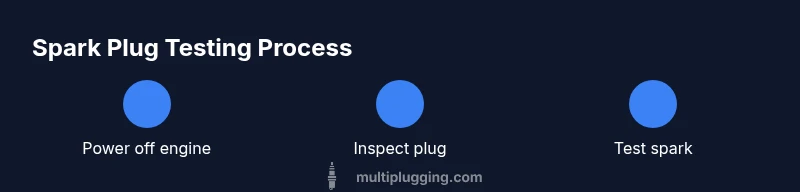
- Power off, cool engine, and disconnect spark plug wire
- Remove the spark plug with a socket wrench and inspect visually
- Set up and connect the spark plug tester according to the device instructions
- Crank the engine briefly to observe spark quality
- Decide on cleaning or replacement, then reinstall and retest
toolsMaterialsNote”:null},
toolsMaterials:[]
stepByStepBlockPlaceholder
Tools & Materials
- Spark plug tester(A tester that simulates the ignition environment and displays spark quality)
- Spark plug socket/wrench(Appropriate size for your mower’s spark plug (avoid cross-threading))
- Replacement spark plug(Keep the same model/heat range for quick swap if needed)
- Safety gear (gloves, eye protection)(Wear to protect hands and eyes; keep fuel away from skin and eyes)
- Rag or shop towel(Use to clean around the spark plug seat and dry components)
- Owner’s manual(Reference for torque specs and plug type)
Steps
Estimated time: 30-45 minutes
- 1
Power off and prepare
Ensure the mower is completely turned off and the engine is cool before starting. Disconnect the spark plug wire from the spark plug to prevent accidental starting. Gather your tester, socket wrench, and safety gear so you can work efficiently without searching mid-task.
Tip: Take a moment to inspect the area for fuel leaks or spills before starting. - 2
Locate and remove the spark plug
Use a spark plug socket to loosen the plug by turning counterclockwise. Carefully lift the plug out and inspect its seating surface for oil, fuel, or carbon buildup. Keep the plug upright to avoid spilling combustible residues.
Tip: Note the plug type and gap details if you plan to replace it later. - 3
Inspect the plug visually
Look for fouling, carbon buildup, oil slicks, glazing, or a bent electrode. A fouled plug can often be cleaned, but heavy wear usually means replacement. Take a quick photo for reference.
Tip: If you’re unsure about fouling, compare against a clean, similar plug from a spare engine. - 4
Set up the spark plug tester
Connect the tester according to its manual. Attach the test lead or ground clamp to the engine block or a solid ground. Ensure all connections are snug before reintroducing the plug for testing.
Tip: Keep the tester away from fuel and hot surfaces during setup. - 5
Test the spark
Screw the plug back into the tester or connect the tester between the coil and plug as instructed. Ground the tester and rotate the engine briefly to observe the spark. Note color, consistency, and whether the spark jumps reliably.
Tip: If you see no spark, recheck connections and wiring before replacing parts. - 6
Evaluate the results
A strong, blue spark indicates a healthy ignition path. A weak, orange, or intermittent spark suggests fouling, wear, or coil problems. Use this result to decide whether to clean, replace the plug, or investigate other ignition components.
Tip: Document the spark quality and decide whether a full replacement is warranted. - 7
Reinstall or replace the plug
If the spark test is favorable, reinstall the same plug or a new one of the same type. If the spark is weak or inconsistent, replace with a new plug and retest. Re-torque by following the mower’s manual instructions.
Tip: Avoid over-tightening; cross-threading can damage the seat. - 8
Final checks and test run
Reconnect the spark plug wire, start the mower, and observe for smooth starting and steady operation. If misfires persist, broaden your check to fuel, air, and ignition coil components.
Tip: A final test run confirms the problem is resolved and helps catch other issues early.
FAQ
What is a spark plug tester and why should I use one on a lawn mower?
A spark plug tester simulates ignition conditions and shows spark quality. Using one on a lawn mower helps you quickly determine if the plug or ignition coil is at fault, avoiding unnecessary disassembly. It’s a practical first step in diagnosing starting or misfire issues.
A spark plug tester helps you check if the plug and ignition are working properly, so you know what to replace.
How do I read tester results for a lawn mower spark plug?
Look for a bright blue, consistent spark when the engine cranks. A dull, yellow, or inconsistent spark points to fouling, worn electrodes, or a faulty coil. Use these cues to decide whether to clean, replace, or further diagnose ignition components.
Look for a strong blue spark that’s steady and bright; if it’s dull or inconsistent, you likely need a new plug or further testing.
Can I clean a fouled plug instead of replacing it?
Light fouling may be cleaned with a solvent and small brush, but heavy fouling or worn electrodes usually requires replacement. Cleaning only delays the inevitable if the plug’s core components are degraded.
If it’s heavily fouled or the electrodes look worn, replace the plug rather than cleaning it.
What safety precautions should I take when testing?
Work in a well-ventilated area away from open flames, wear eye protection, and disconnect the spark plug wire to prevent accidental starting. Keep fuel-soaked towels away from ignition sources and clean up spills promptly.
Always wear safety gear and keep fuel away from flame or sparks while testing.
Should I test other ignition parts if the spark test fails?
Yes. If the spark is weak or absent, inspect the ignition wire, boot, and coil for wear or damage. Also verify fuel quality, air filters, and possible air leaks around the intake area.
If spark fails, check wires, boots, and coil, plus fuel and air conditions.
How often should I test spark plugs on a lawn mower?
Test plugs at the start of each mowing season or after experiencing starting issues, misfires, or rough running. Regular checks help catch problems early and extend engine life.
Test plugs at the start of the season or when you notice problems.
Watch Video
Main Points
- Test ignition quality before diving into carburetor work
- A blue spark usually means a healthy plug path
- Replace fouled or worn plugs rather than attempting to reuse them
- Retest after any plug replacement to confirm the fix
- Follow the mower manual for correct torque and plug type