Kia Forte Spark Plugs Replacement Guide
Learn how to diagnose, choose, and replace Kia Forte spark plugs with a practical, step-by-step approach from MultiPlugging. Includes safety tips, tool list, troubleshooting, and maintenance for peak performance.


Replacing the Kia Forte spark plugs yourself can restore fuel efficiency, reduce misfires, and improve overall engine performance. This step-by-step guide covers model-year variations, the correct plug type, and the essential tools. You’ll learn a safe, repeatable process that minimizes risk, plus signs when a service professional should be consulted. Expect smoother idle and better throttle response after a successful change.
Understanding Kia Forte Spark Plugs
Spark plugs are the small, critical devices that ignite the air fuel mix inside each cylinder. In modern Kia Forte engines, you typically have four spark plugs (one per cylinder) that work in concert with coil packs to deliver a reliable spark. The right Kia Forte spark plugs depend on your engine variant and year; most owners benefit from iridium or platinum tips for durability and stable performance. The correct heat range and thread size ensure reliable firing and avoid fouling in typical urban and highway driving. According to MultiPlugging, choosing the right material and heat range is key to avoiding misfires and maintenance headaches over the life of the vehicle.
When you replace these plugs, you also reset the engine’s ability to burn fuel efficiently, which can improve fuel economy and reduce emissions. The process is straightforward for a well-maintained Forte, but it’s important to pick plugs that match your model year and engine type, and to follow torque and gap specifications exactly. A careful replacement reduces the chance of cross threading and ensures a proper seal.
Signs Your Kia Forte Needs New Spark Plugs
Worn or fouled spark plugs can cause rough idling, reduced acceleration, and higher fuel consumption. If you notice misfires at idle, a drop in miles per gallon, hesitation during acceleration, or trouble starting in mild weather, it might be time to inspect the spark plugs. Oily, fouled, or cracked electrodes are clear indicators of end-of-life plugs. Even without severe symptoms, replacing old Kia Forte spark plugs at recommended intervals helps maintain consistent combustion and engine timing. As the engine ages, gaps can widen or electrode wear can occur, leading to inefficient combustion. The MultiPlugging team notes that proactive replacement saves money by avoiding spark plug related misfires and potential coil damage later on.
Choosing the Right Kia Forte Spark Plugs
Not all spark plugs are created equal. The Forte, depending on year and trim, benefits from iridium or platinum plugs that offer longer life and consistent performance. OEM or OEM-specified aftermarket plugs ensure compatibility with the heat range and pressure inside the combustion chamber. Always verify the manufacturer spec sheet for your exact model year before purchasing.
Consider matching the plug type to your driving patterns. If you drive in temperature extremes or tow a load, a slightly different heat range may be recommended by your local dealer or trusted mechanic. Gapping is essential, so use a gap tool or a digital gauge to set the correct clearance before installation. The right gap supports efficient ignition and proper combustion, reducing the risk of fouling and misfires.
Safety First: Prep and Workspace
Working around the engine bay requires attention to safety. Disconnect the negative battery terminal before touching any electrical components to prevent accidental short circuits. Work in a clean, well-lit area with a clear plan for reassembly. Keep track of each coil pack and wire so nothing is misplaced in the process. Wearing gloves and eye protection reduces risk from sharp edges and accidental splashes of oil or coolant. A tidy workspace also helps you avoid losing small parts during the replacement.
Step-By-Step Overview for DIY Replacement
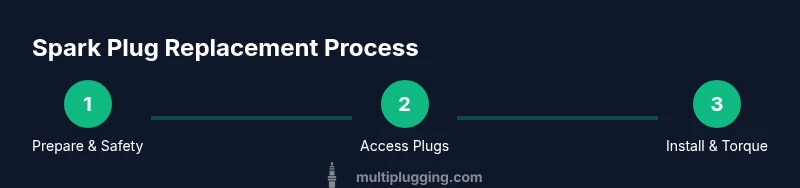
This section provides a practical overview of the replacement flow. You will access each spark plug well, remove the coil pack or boot, extract the old plug, inspect the seat and threads, gap and install the new plug, and finally reseal the coil and boot before testing the engine. Staying organized and taking photos during the process can prevent confusion and miswiring during reassembly. After completion, a short test drive verifies that the engine runs smoothly and without misfires.
Tools, Materials, and Safety Essentials
Before you start, assemble the essential tools and parts. Having the right spark plugs compatible with your Forte model year is crucial. A magnetic spark plug socket makes extraction easier, while a torque wrench ensures you do not overtighten or undertighten the plugs. Gap tools guarantee the proper electrode spacing. Always have gloves, eye protection, and rags on hand for a clean and safe job. Keep a magnetic tray handy to hold fasteners and small parts.
Post Replacement Checks and Maintenance Tips
After replacing the plugs, visually inspect the ignition coils or coil packs for any signs of wear or oil intrusion. Reconnect the battery and start the engine to ensure a smooth idle. If the engine runs rough or misfires persist, recheck the plug seating and gaps. Regular maintenance includes inspecting ignition components and replacing spark plugs at the manufacturer recommended intervals. Keeping a record of replacements helps you plan future maintenance and preserve engine reliability.
Common Pitfalls to Avoid
Rushing the task or using the wrong plug type can lead to cross-threading, improper sealing, or misfires. Do not force plugs into tight wells; if you meet resistance, stop and recheck the alignment. Never lubricate the threads with oil or grease beyond a light anti seize if advised by the manufacturer. Poorly seated coils or damaged boots can also cause misfires after replacement. Always confirm the plug gap and torque with the correct tools before starting the engine.
Maintenance Plan to Extend Spark Plug Life
A proactive maintenance plan helps extend the life of Kia Forte spark plugs. Regular air filter changes, proper fuel quality, and timely ignition system checks improve combustion efficiency. Address oil leaks promptly since oil on the plug can dramatically shorten life. Keeping the engine clean and the ignition system in good shape reduces the likelihood of premature plug wear.
Tools & Materials
- Spark plugs compatible with your Kia Forte(Check model year and engine type to match heat range and thread size)
- Spark plug socket with magnet(Magnetic insert helps retrieve plugs without dropping them into the well)
- Ratchet wrench and extensions(Access plugs in tight engine bays; extensions help reach deep wells)
- Torque wrench(Torque to manufacturer spec to avoid under- or over-tightening)
- Gap tool or feeler gauge(Set the electrode gap to the OEM specification for best ignition)
- Anti-seize lubricant(Optional for metal threads; apply lightly if recommended by your manual)
- Dielectric grease(Optional on coil boots to improve seal and reduce moisture ingress)
- Safety gear (gloves, eye protection)
- Shop towels or rags(Keep the workspace clean and wipe away oil or debris)
- Replacement ignition coils (if needed)(Some Forte models use coil-on-plug assemblies; inspect for wear)
Steps
Estimated time: 60-90 minutes
- 1
Disconnect the battery and prepare the workspace
Begin by disconnecting the negative battery terminal to prevent any accidental short circuits. Remove the engine cover if present to expose the spark plug wells. Set aside tools within easy reach and ensure the work area is clean and well lit.
Tip: Always disconnect power first; this reduces the risk of electrical shock or shorts. - 2
Remove engine cover and access spark plugs
Carefully lift or unscrew the engine cover to reveal the coil packs and spark plug wells. Note how each coil sits; taking a quick photo can help during reassembly. Keep fasteners organized so nothing gets mixed up.
Tip: If the cover is stubborn, gently pry with a plastic tool to avoid damaging the finish. - 3
Disconnect ignition coils from each plug
Loosen and unplug the ignition coil boots one by one, keeping track of each location. Some Forte models require a small connector release; use a non-metallic tool to avoid damaging the coil. Do not pull on the wiring harness itself.
Tip: Label or photograph each coil position to ensure correct reinstallation. - 4
Remove old spark plugs with a magnetic socket
Carefully thread the plug socket onto the old plug and lift it out straight to avoid cross-threading. Inspect the plug seat and threads for damage or oil contamination. Wipe the well area clean before inserting the new plug.
Tip: Keep track of each removed plug so you can compare wear across cylinders later. - 5
Gap and install new plugs
Check and set the gap on each new Kia Forte spark plug using a gap tool. If required by your model year, adjust to the OEM specification. Thread the plugs by hand first to avoid cross-threading, then tighten with the torque wrench to specification.
Tip: Do not over-tighten; overtightening can damage threads and seating surfaces. - 6
Reinstall coils, cover, and reconnect battery
Re-seat each ignition coil onto its plug, reconnect the wiring harness, and secure the coil. Replace the engine cover and reattach the negative battery terminal. Double-check all connections before starting the engine.
Tip: A final visual check helps catch loose connections that could cause misfires. - 7
Test run and verify
Start the engine and listen for a smooth idle. If you hear ticking, misfires, or rough running, recheck plug seating and gap. A short test drive confirms performance improvements and fuel efficiency gains.
Tip: If you notice unusual noises, stop and inspect components before driving farther.
FAQ
Do I have to replace ignition coils when replacing spark plugs on a Kia Forte?
In many Forte models, coil packs are separate from the spark plugs and may wear independently. If you notice worn boots, cracking, or misfires after a plug change, inspect or replace coils as needed. Always verify coil health during maintenance.
Coil health matters; replace them if you see wear or misfires after a plug change.
What type of spark plugs should I use for my Kia Forte?
Use the OEM recommended spark plug type for your exact Forte model year. Iridium or platinum plugs are common choices for durability and reliable firing, but verify compatibility with your engine variant.
Choose the OEM recommended plug type for your year and engine variant.
How often should I replace Kia Forte spark plugs?
Replacement intervals vary by engine and driving conditions. Refer to the owner manual for the recommended interval and inspect for wear signs like misfires or poor fuel economy between changes.
Follow the manual for the recommended interval and watch for wear signs between changes.
Can I reuse old spark plugs if they look fine?
Reusing spark plugs is not advised. Worn electrodes and fouling can impair ignition. Replace with new plugs that match the original specs for your Forte.
Don’t reuse old plugs; replace with new ones that match your model specs.
What should I do if the engine runs rough after replacement?
If rough running occurs, recheck plug seating, gap size, and coil connections. Confirm the plug is properly torqued and that the boot seals are intact. If issues persist, consult a mechanic.
Check seating, gap, and seals first; if unresolved, seek professional help.
Is synthetic oil or fuel quality important for spark plug life?
Yes. Oil leaks or poor fuel can foul plugs prematurely. Maintaining clean fuel and addressing leaks promptly helps extend spark plug life.
Yes, fuel quality and oil leaks affect spark plug life; address issues promptly.
Watch Video
Main Points
- Identify the correct spark plug type for your Forte model year
- Maintain clean plug wells and use a torque wrench for proper seating
- Inspect coils and boots for wear to prevent future misfires
- Gap plugs accurately to OEM specifications before installation
- Document the process for future maintenance and avoid shortcuts