Kia Stinger Spark Plugs: Replacement Guide and Maintenance
Learn how to diagnose, replace, and optimize Kia Stinger spark plugs with practical steps, tool lists, and maintenance tips for peak performance. Includes OEM vs aftermarket guidance, anti-seize notes, and post-replacement checks.


This guide helps you diagnose, replace, and optimize Kia Stinger spark plugs. You’ll learn how to identify worn Kia Stinger spark plugs, select the right OEM-equivalent options, and perform a safe, step-by-step replacement using common tools. It also covers anti-seize considerations, torque specs, and post-replacement checks to keep your engine performing at its best.
What Kia Stinger Spark Plugs Do
According to MultiPlugging, spark plugs are essential for the Kia Stinger’s ignition and overall engine performance. The health of the Kia Stinger spark plugs affects throttle response, smooth idle, and fuel efficiency. In turbocharged variants, plugs can influence throttle delivery under load, and degraded plugs may cause misfires or reduced performance. This section explains the core role of Kia Stinger spark plugs, how they interact with the ignition system, and why regular inspection is part of responsible maintenance. The MultiPlugging Team emphasizes that proactive care saves time, money, and prevents unexpected breakdowns.
Key takeaway: Kia Stinger spark plugs are not a “set & forget” component; regular checks help sustain peak performance and reliability for drivers who demand spirited acceleration.
Spark Plug Types for the Kia Stinger
Modern Kia engines, including the Stinger, typically use iridium or platinum spark plugs due to their long life and stable performance under heat. The choice between iridium and platinum depends on the engine design, driving style, and recommended OEM specs. Always verify the exact heat range, reach, and gap from the owner’s manual or the official Kia service guide for your model year and engine variant. While copper plugs are cheaper, they tend to wear faster and may reduce efficiency in high-load driving. The bottom line is to match plug type to the OEM specification for reliability and warranty considerations.
Why this matters: incorrect heat range or reach can cause misfires, fouling, or poor combustion, particularly in performance-tuned Stinger variants.
OEM vs Aftermarket Spark Plugs for the Kia Stinger
Choosing the right Kia Stinger spark plugs means balancing cost, longevity, and performance. OEM plugs are designed to meet exact factory specifications and warranty expectations. Aftermarket options can offer similar specs but may vary in electrode material, heat range, and seating style. When evaluating options, compare overall heat range, tip design, and delivery under turbo boost. Always ensure the plugs you select meet the same reach and gap specifications as the OEM parts. This approach minimizes risk and supports consistent ignition across all cylinders.
Practical note: some owners report quieter cold starts with certain aftermarket plugs, but the long-term reliability should align with Kia’s recommendations.
Signs Your Kia Stinger Spark Plugs Need Replacement
Worn or fouled Kia Stinger spark plugs can manifest as rough idle, hesitation during acceleration, misfires under load, or reduced fuel economy. If you notice a check engine light, misfire codes, or a rough engine tone, inspect the plugs first. Visual signs include eroded electrodes, excessive carbon buildup, or oil fouling if rings are compromised. Early symptoms may appear after high-mileage use or aggressive driving. Regular inspection during every major service interval helps catch wear before it affects performance.
Actionable tip: a simple compression or misfire diagnostic can help confirm whether the spark plugs are the root cause or if coils, plugs boots, or injectors also contribute to rough running.
Tools and Materials You’ll Need (Before You Start)
Before you begin, assemble the essential tools and a fresh set of Kia Stinger spark plugs that match OEM specs. A spark plug socket, ratchet, and an extension are crucial for accessing deep plugs. A torque wrench ensures you tighten to the manufacturer’s specification, reducing thread damage. Include a feeler or gap gauge to verify the gap on new plugs if needed, and optionally anti-seize compound per manufacturer guidance. Also have a small magnetic tray, flashlight, gloves, and rags to keep the work area clean.
Pro-tip: lay out the tools in the order you’ll use them so you don’t drop a plug or misplace a coil while working on other cylinders.
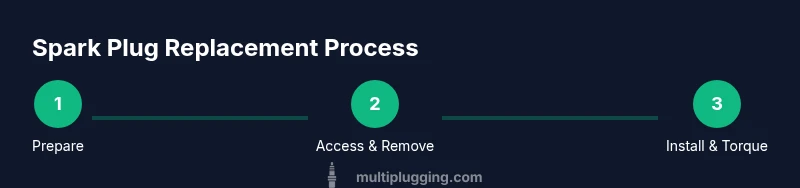
Step-by-Step: Replacing Kia Stinger Spark Plugs
- Disconnect the negative battery terminal to prevent sparks during work. 2) Remove any engine covers or coil-on-plug assemblies to access spark plug wells. 3) Carefully detach the ignition coil or coil boot from the first spark plug well without forcing components. 4) Use the spark plug socket to loosen and remove the old plug straight out of the cylinder head. 5) Inspect the old plug for wear patterns and note which cylinder’s plug you removed for reassembly. 6) Check the gap on the new plug with a feeler gauge if needed and ensure the electrode seating is clean. 7) Thread the new plug by hand to avoid cross-threading, then snug with the socket before torquing to spec with a torque wrench. 8) Reinstall the ignition coil or boot, ensuring a secure seal against the plug. 9) Repeat for all cylinders, keeping track of each location. 10) Reconnect the battery, start the engine, and listen for a smooth idle and clean revving.
Estimated total time: 90–120 minutes.
Why this matters: following the steps in order minimizes risk of cross-threading, misfires, or damaged ignition components, and ensures consistent performance across all cylinders.
Anti-Seize: When to Use It and Why
Anti-seize compounds can help prevent galling on metal threads, especially if you’re dealing with stainless or dissimilar metals. For many modern spark plugs, anti-seize is not required and can lead to over-tightening if not used with the correct torque. Follow the ignition system’s guidelines for your Kia Stinger’s engine, and apply a thin film only to the plug threads as recommended. If you’re unsure, skip anti-seize and rely on a clean, properly torqued installation to protect the threads.
Post-Replacement Diagnostics and Fine-Tuning
After completing the plug replacement, perform a short test drive to verify smooth acceleration and idle. Scan for any trouble codes and monitor fuel economy over the next few days. If the car runs better, you’ve likely resolved the misfire or power loss issue. If problems persist, recheck the coil connections, verify the plugs’ torque, and confirm the gap is correct. Regular maintenance will help you catch issues before they escalate.
Maintenance Tips to Extend Spark Plug Life
Adopt a few habits to extend Kia Stinger spark plug life: use high-quality fuel, avoid short trips that don’t fully heat the engine, and perform periodic air filter and injector cleanings. Driving style matters too; steady acceleration and warm-up times can reduce plug fouling. Keep a maintenance log, compare the plug wear over time, and schedule proactive inspections around the vehicle’s service intervals. By combining mindful driving with periodic checks, you’ll maximize the life of your Kia Stinger spark plugs.
How Often to Inspect and Replace Spark Plugs on the Kia Stinger
A structured maintenance plan helps prevent performance declines from worn plugs. Use the owner’s manual as the primary source for replacement intervals, especially for high-performance variants of the Kia Stinger. Consider an inspection at every major service and after heavy use or track days. If you’re running higher boost or more demanding driving conditions, plan for replacement sooner rather than later. The goal is predictable starts, clean combustion, and consistent power.
Remember: every Kia Stinger spark plug is part of a larger ignition and fuel system; neglecting one component can stress others and affect overall efficiency.
DIY vs Professional Replacement: Weighing Your Options
If you’re comfortable with basic automotive tasks, a DIY spark plug replacement for a Kia Stinger is doable with proper safety precautions and the right tools. However, if access is tight, you’re dealing with a turbocharged engine, or you’re unsure about torque specs, a qualified technician can complete the job quickly and safely while preserving warranty status. Compare the cost of parts and labor against the value of your time and the peace of mind that comes with professional service.
Authority Sources for Spark Plug Guidance
- NHTSA: Vehicle maintenance and safety guidance for ignition systems. https://www.nhtsa.gov/
- Consumer Reports: Vehicle maintenance and reliability coverage. https://www.consumerreports.org/
- Popular Mechanics: How-to guides and gear for spark plug replacement. https://www.popularmechanics.com/
These sources provide foundational guidance to supplement OEM recommendations for the Kia Stinger spark plugs.
Conclusion and Next Steps
This guide has walked you through understanding Kia Stinger spark plugs, choosing the right type, and performing a careful replacement with attention to torque and anti-seize considerations. Remember to check OEM specs and use the proper tools to maintain engine reliability and performance. The MultiPlugging Team recommends following the manufacturer’s spark plug interval and performing regular inspections to maximize the life of your Kia Stinger spark plugs.
Tools & Materials
- Spark plug socket (with rubber insert)(Typically 16mm (or 5/8 inch) size; verify the exact size for your Kia Stinger)
- Torque wrench(Set to OEM torque specification for the spark plugs)
- ratchet and extension(For deep access to plug wells)
- Gap gauge / feeler gauge(Verify the correct plug gap if needed)
- Anti-seize compound (optional)(Only use if recommended by your manual)
- New spark plugs (OEM or equivalent)(Matches heat range, reach, and gap per Kia specs)
- Magnetic tray and towels(Keep parts organized and clean)
- Safety gear (gloves, eye protection)(Protect hands and eyes during work)
Steps
Estimated time: 90-120 minutes
- 1
Disconnect the negative battery terminal
Power down the vehicle and disconnect the battery’s negative terminal to minimize the risk of sparks. Ensure the engine is cool before touching electrical components. This step protects you and prevents accidental short circuits during coil/disc removal.
Tip: Wear safety glasses and use a magnetic tray to keep hardware organized. - 2
Access spark plug wells
Remove any engine covers or coil-on-plug assemblies to expose the spark plug wells. Keep track of fasteners in labeled containers so reassembly is straightforward.
Tip: Take a quick photo or note the order of parts to guide reassembly. - 3
Detach ignition coils or boots
Carefully disconnect the ignition coil or boot from the first spark plug. Do not pry with force; wiggle gently to prevent damaging the boot or coil connector.
Tip: If a coil is stubborn, use a small flat blade only to loosen clips, not the boot edge. - 4
Remove the old spark plug
Place the spark plug socket on the plug and turn counterclockwise to remove it straight out from the cylinder head. Maintain a clean area to prevent debris from entering the combustion chamber.
Tip: Avoid turning the plug at an angle to prevent thread damage. - 5
Inspect the old plug and note cylinder placement
Examine electrode wear, deposits, and color to help diagnose engine health. Record which plug came from which cylinder to simplify reassembly and troubleshooting later.
Tip: A heavily worn plug suggests longer-term engine issues beyond plug wear. - 6
Prepare the new spark plug
Check the gap on the new plug if required by your specific model. Lightly oil the threads if recommended by the plug manufacturer to ensure smooth seating.
Tip: Always handle new plugs by the threads or insulator to avoid contaminating the electrode. - 7
Install the new spark plug
Thread the new plug by hand to avoid cross-threading, then tighten with a torque wrench to specification. A gradual approach prevents thread damage and ensures a proper seal.
Tip: Seat the plug first with hand tightening, then finish with precise torque. - 8
Reconnect ignition coils or boots
Reinstall the coil or boot, ensuring snug fit and proper seating on the plug. A poor seal can cause misfires even with new plugs.
Tip: Listen for a click when it seats to confirm a secure connection. - 9
Repeat for all cylinders
Proceed to the remaining cylinders with the same care and order. Keep track of each location to avoid cross-wiring and misplacement of components.
Tip: Double-check each coil connection before moving to the next cylinder. - 10
Reconnect battery and test run
Reconnect the negative terminal, start the engine, and listen for a smooth idle and steady acceleration. If misfires occur, recheck coil connections and torque.
Tip: Take a short test drive to confirm consistent performance before finishing.
FAQ
What are kia stinger spark plugs?
Kia Stinger spark plugs are the ignition components specified for the engine in your model. They come in various types (often iridium or platinum) and must match the OEM heat range, reach, and gap. Always verify exact specs in the owner’s manual or Kia service guides.
Kia Stinger spark plugs are the engine’s ignition parts that match the factory specs. Check your manual for the exact type and gap.
When should I replace kia stinger spark plugs?
Refer to the owner’s manual for the recommended replacement interval, which varies by plug type and driving conditions. If you notice misfires or reduced performance, inspect and replace as needed.
Check your manual for the recommended interval. If you feel rough running or misfires, replace the plugs sooner.
Can I reuse old spark plugs in a Kia Stinger?
Generally not recommended. Replacing with new plugs ensures consistent ignition and performance, especially in turbocharged engines like the Stinger.
It's usually best to replace with new plugs rather than reuse old ones.
OEM vs aftermarket spark plugs for the Kia Stinger?
OEM plugs are designed to match factory specs for reliability and warranty. Aftermarket options exist but must meet the same specs (heat range, reach, gap).
OEM plugs are usually safest. If you choose aftermarket, ensure they match the exact specs.
Do spark plugs affect fuel economy in the Kia Stinger?
Worn or fouled plugs can reduce fuel efficiency and throttle response. Replacing with properly gapped plugs can restore efficiency.
Worn plugs can hurt mileage; replacing them often improves economy and performance.
Do I need to replace coils when replacing plugs?
Coils may be integrated with the plugs in some designs; inspect for wear and replace if you notice misfires or damaged boots. In many cases, you replace only the plugs.
Sometimes coils are fine; check for wear or damage and replace if needed.
Watch Video
Main Points
- Replace worn plugs promptly for smooth starts.
- Use the correct socket and torque specs.
- Keep track of plug positions for reassembly.
- Check coils and boots if misfires persist after replacement.
- Maintain a maintenance log for future reference.