Honda Element Spark Plugs: A Practical DIY Guide
A comprehensive DIY guide to diagnose, replace, and optimize Honda Element spark plugs. Learn plug types, gaps, torque, tools, maintenance, and common mistakes for reliable ignition and smoother running.


By the end of this guide, you will be able to diagnose ignition issues related to worn Honda Element spark plugs, choose compatible plug types, verify correct gap, and perform a safe, complete replacement. The steps cover tool selection, torque follow-through, and post-install checks to ensure reliable starting and steady performance.
What are Honda Element spark plugs and why they matter
Spark plugs are the small, heat-resistant devices that ignite the air-fuel mixture inside each cylinder. In the Honda Element, reliable spark plugs are essential for smooth starts, steady idle, and efficient fuel use. Worn or fouled plugs can cause misfires, hesitation, reduced power, and higher emissions. For the DIY enthusiast, understanding how these components affect ignition helps you diagnose problems before they escalate and ensures your engine breathes cleanly and runs efficiently. The Honda Element spark plugs you choose should match your engine design, fuel type, and driving habits. In this guide we cover the basics, plus practical steps to inspect, replace, and optimize plugs for dependable performance.
Honda Element spark plug types and what they mean for performance
There are several common spark plug construction types: copper core plugs, platinum plugs, and iridium plugs. Copper plugs are affordable and deliver good conductivity when new, but they wear faster and require more frequent replacement. Platinum and iridium plugs offer extended life and consistent performance, especially in engines with stricter emission standards or higher compression. For the Honda Element, most owners find platinum or iridium plugs provide reliable operation and less fouling in typical daily driving. Always verify what your owner's manual specifies and consider your climate, driving style, and maintenance schedule. When you upgrade, choose plugs with the same heat range and a compatible gap for your engine to avoid misfires or poor idle.
Diagnosing symptoms of worn spark plugs
Identify signs that the Honda Element spark plugs may be nearing the end of their life. Misfires, rough idle, decreased acceleration, or a noticeable drop in fuel economy are common indicators. You might also notice engine surging, hesitation during takeoff, or hard starts in cold weather. If the check engine light comes on with misfire codes, inspect the spark plugs as a potential root cause. Regular visual checks can catch fouling or deposits before they cause noticeable performance issues. Use a proper spark plug socket to remove and inspect each plug for electrode wear, fouling, oil on the ceramic insulator, or melted or blistered insulation.
How to plan your replacement: reading the manual and choosing plugs
Before you touch a spark plug, review the Honda Element owner's manual for the recommended spark plug type and heat range. Gather the required tools and spare plugs, ensuring they match the engine's cylinder count and configuration. If you’re upgrading to a longer lifespan option, confirm the heat range remains compatible with your ignition timing. Keep a spare coil or boot on hand in case you disturb a connector during removal. A quick map of each cylinder helps you stay organized and prevents cross-contamination.
Tools, workspace, and safety prep
Set up a clean, well-lit workspace with the engine cool. Gather the essential tools: a spark plug socket with a rubber insert, an extension bar, a ratchet, a torque wrench, gap gauge, and the replacement plugs. Optional items include anti-seize compound, dielectric grease, and a spark plug boot puller if needed. Lay out a tray or magnetic mat to hold each cylinder’s parts in order. Wear safety glasses and gloves to protect your hands from sharp edges and hot components.
Step-by-step replacement overview
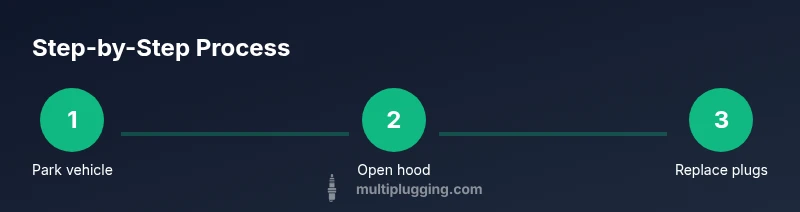
Replacing Honda Element spark plugs is a straightforward, methodical process. It begins with safety, proceeds to access and remove old plugs, then installs new plugs with correct gap and torque, and ends with final checks and engine test. Following the steps carefully reduces the risk of cross-threading and misfires. Always work in order and keep track of each plug’s position to avoid confusion during reassembly.
Maintenance practices to extend plug life
Adopt a consistent maintenance routine: replace plugs at your planned interval, use quality fuel, avoid short trips that allow the engine to cool rapidly, and maintain air filters. Keep intake and vacuum lines sealed and check ignition coil boots for damage. Clean the connectors and keep the spark plug wells free from oil or coolant leaks. A tidy engine bay helps you spot issues early and reduces the chance of accidental contamination during installation.
Common mistakes to avoid
Rushing the job or skipping the cooling period can lead to stripped threads or burnt plugs. Cross-threading when installing plugs or reusing old gaskets can cause leaks or misfires. Not checking or correcting the gap for the new plugs can result in weak ignition. Using too much dielectric grease around the contact area can impede conductivity. Finally, failing to torque plugs to spec may cause them to work loose over time.
Final checks after replacement
Reinstall coils and wiring, reconnect the battery, and start the engine. Listen for normal idle, check for misfires on all cylinders, and watch for oil or coolant leaks around the spark plug wells. Use a scan tool or code reader to confirm no error codes appear. If any issues arise, recheck the torque and gap on the plugs and test again after a short drive. Properly dispose of old plugs and clean up your workspace.
Safety and environmental considerations
Dispose of used plugs and any contaminated fluids according to local regulations. Wear gloves and eye protection to minimize exposure to oils and solvents. Work in a well-ventilated area and avoid spilling fuel or cleaners. If you are unsure about the process or encounter stripped threads, seek professional help to prevent engine damage.
Tools & Materials
- Spark plug socket with rubber insert (approx. 5/8" hex)(Use with a ratchet; ensure it has a magnet or sleeve to hold plugs securely)
- Ratchet and extension bar(Longer extension helps reach rear plugs; 3/8" drive is common)
- Torque wrench(Set to manufacturer torque spec (often around 12-15 ft-lbs for many plugs))
- Feeler/gap gauge(Used to verify and adjust plug gap before installation)
- Replacement spark plugs (platinum/iridium recommended)(Match heat range and reach to your engine; avoid mismatched heat ranges)
- Anti-seize compound (optional)(Apply sparingly if your plugs or coils require it; many modern plugs don’t need it)
- Dielectric grease(Used on ignition coil boots to improve sealing and connectivity)
- Gloves and safety glasses(Protect hands and eyes from oils and sharp edges)
- Shop rag or microfiber towels(Keep the area clean; wipe oil or grime from plugs before removal)
Steps
Estimated time: 60-75 minutes
- 1
Park the vehicle
Park the Honda Element on a flat surface and engage the parking brake. Ensure the engine is cool before starting work to avoid burns. Remove any loose clothing or jewelry that could snag on components.
Tip: Use wheel chocks if you’re working on an incline to prevent movement. - 2
Open the hood
Open the hood and locate the engine bay. Identify the coil-on-plug assemblies and spark plug wells. Label or take a photo of each coil position for back-assembly to avoid cross-wiring.
Tip: Work in a well-lit area to clearly see plug wells and connectors. - 3
Disconnect the negative battery
Disconnect the negative battery terminal to prevent short circuits while removing plugs. Keep the terminal away from the battery post to avoid accidental reconnection.
Tip: This step reduces the risk of shocks and accidental engine cranks. - 4
Remove ignition coil boots
Carefully disconnect the ignition coil boots from each plug. Gently twist if needed, and set coils aside in order. Avoid pulling on the wires themselves to prevent damage.
Tip: If a boot sticks, use a small pick to ease it off without tearing. - 5
Remove old spark plugs
Use the spark plug socket with extension to remove each plug. Turn counterclockwise until the plug backs out. Inspect the plug for wear, fouling, or oil residue to assess engine health.
Tip: Do not force a stubborn plug; if it resists, stop and reassess; cross-threading can ruin threads. - 6
Check and set plug gaps
Inspect the gap on each new plug with a gap tool and adjust to the manufacturer specification if needed. Install the new plugs only after confirming proper gap.
Tip: Even slight deviations can cause misfires; verify each plug individually. - 7
Install new plugs and torque
Thread the new plugs by hand to avoid cross-threading, then torque to spec with a torque wrench. Do not over-tighten; afrter reaching the target, stop.
Tip: Apply anti-seize only if specified for your plug type; otherwise skip to prevent over-torque risk. - 8
Reinstall coils and reconnect
Reconnect the ignition coil boots to the new plugs. Refit each coil in its original position and reconnect the wiring harnesses.
Tip: Ensure a clean connection and no oil residue inside the wells before closing. - 9
Reconnect battery and test
Reconnect the negative battery terminal. Start the engine and listen for smooth idle; check for misfires and confirm normal operation.
Tip: If codes illuminate, re-check plug torque and gaps, and run the engine briefly to clear codes. - 10
Wrap up and dispose
Dispose of used plugs according to local regulations. Wipe down tools and store away safely; note the service date for future maintenance.
Tip: Keep a small maintenance log with mileage and replacement parts for future reference.
FAQ
What type of spark plugs should I use for the Honda Element?
Check the owner's manual for the recommended plug type and heat range. Platinum or iridium plugs are common upgrades for many engines, but ensure compatibility with your specific Element model.
Use the plug type and heat range recommended in your manual; platinum or iridium are typical upgrades, but verify compatibility.
How can I tell if my Honda Element spark plugs need replacement?
Symptoms include rough idle, misfires, reduced power, slower starts, and decreased fuel economy. If you see ignition-related trouble codes, inspect the plugs as a likely cause.
Rough idle, misfires, and reduced power often point to worn plugs; codes can help diagnose ignition problems.
How often should Honda Element spark plugs be replaced?
Follow the owner's manual for recommended intervals; in many cases, replace based on mileage and driving style rather than a fixed number. Platinum or iridium plugs typically offer longer service life than copper plugs.
Follow the manual and consider your driving style; longer-life plugs may last longer than copper ones.
Do I need to gap the plugs before installing?
Yes, check the gap on new plugs and adjust to the spec if needed. A correct gap ensures reliable ignition and avoids misfires.
Always verify and adjust the gap on new plugs to the manufacturer spec before installation.
Is anti-seize essential for this replacement?
Most modern engines don’t require anti-seize; using it when not specified can cause over-tightening. Refer to your manual and the plug manufacturer’s guidance.
Only use anti-seize if the manual specifically requires it; otherwise skip to avoid over-tightening.
Watch Video
Main Points
- Inspect plugs for wear or fouling before replacement.
- Verify gap and heat range on new plugs.
- Torque plugs to spec and test the engine after installation.
- Maintain a clean workspace and document service intervals.