Ford Escape Spark Plugs: A Practical DIY Guide for 2026
Learn how to diagnose, replace, and optimize Ford Escape spark plugs with step-by-step instructions, essential tools, and practical safety tips. Great DIY tip.


You will learn how to diagnose spark plug problems on a Ford Escape and perform a full replacement. This quick guide covers essential tools, correct gap clearance, torque specs, and anti-seize usage, plus safety precautions and common mistakes to avoid. By following the steps, you’ll improve ignition performance, fuel efficiency, and cold starts. See the detailed steps in the main body.
Ford Escape Spark Plugs Basics
Spark plugs are the heart of the ignition system, delivering the precise spark that ignites the air-fuel mix in each cylinder. For Ford Escape models, reliable plugs contribute to smooth starts, steady idling, and steady acceleration. The choice of plug type — copper, platinum, or iridium — can influence longevity and performance, but installation quality matters just as much. According to MultiPlugging, routine spark plug maintenance is foundational for engine health, especially in modern engines that rely on precise ignition timing. In practice, most Ford Escape engines use one plug per cylinder, and maintaining the gap and seating depth helps prevent misfires and rough performance. This overview will help you decide when it’s time to service or replace plugs and how to approach the task with confidence and safety.
Ford Escape Spark Plugs: Key Roles
- Ignition efficiency: A clean, properly gapped plug ensures reliable ignition and consistent combustion across all cylinders.
- Fuel efficiency: Worn plugs can cause incomplete combustion, increasing fuel consumption.
- Engine responsiveness: New plugs restore throttle response and smooth acceleration, especially at low RPM.
Certain engine variants in the Ford Escape lineup require specific heat ranges and electrode designs. When shopping, verify compatibility with your exact year and engine code. This guide emphasizes a methodical approach your DIY mindset will appreciate, from prep to final checks.
Common Symptoms of Worn or Faulty Plugs in a Ford Escape
- Rough idle, misfires, or stumbling at idle.
- Decreased power or sluggish acceleration.
- Increased fuel consumption or reduced mileage.
- Difficulty starting the engine in cold weather.
If you notice these signs, follow a diagnostic path first to confirm plugs as the culprit. The goal is to avoid unnecessary parts replacement and keep the cylinder sealing tight for optimal combustion. This section sets the stage for a careful inspection and replacement.
Spark Plug Types and How They Relate to Your Escape
Copper plugs offer lower upfront cost and quick heat transfer but may wear faster in high-demand engines. Platinum and iridium plugs provide longer life and more stable performance in modern engines, particularly under mixed driving conditions common in urban and highway use. Your Ford Escape’s manual will specify the recommended heat range and type for your specific year and engine. For DIYers, the decision often comes down to balance between cost and service life. Regardless of type, proper gap and correct torque are essential.
Tools and Safety Precautions You Need
Before you touch a live engine, gather the tools: a spark plug socket, ratchet with extension, a torque wrench, and replacement plugs of the correct type. A magnetic tray helps keep fasteners organized, and a few rags keep the work area clean. Safety first means disconnecting the battery, allowing the engine to cool, and wearing eye protection. Manage any fuel vapor exposure and ensure good ventilation in the workspace. This section reinforces the discipline that separates a confident DIYer from a rushed job.
Step-By-Step Replacement Process (Ford Escape)
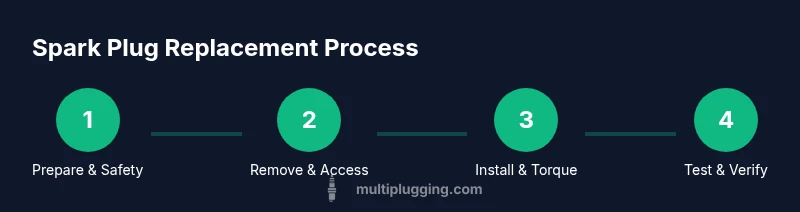
Replacing spark plugs in a Ford Escape requires patience and a clear sequence: first, park the vehicle, engage the parking brake, and disconnect the negative battery terminal to prevent accidental starts. Remove any engine covers to access coil packs or ignition coils. Identify each coil, disconnect the electrical connector, and gently release the coil from its boot. Use a spark plug socket with a ratchet to carefully loosen and remove the old plug. Clean the hole if debris exists. Check the gap on new plugs and adjust if necessary, then thread them by hand to avoid cross-threading. Tighten to the manufacturer’s recommended torque with a torque wrench, ensuring the plug seats securely without over-tightening. Reinstall the coil packs, reconnect wiring, and replace any engine covers. Reconnect the battery and start the engine to verify smooth operation. If misfire codes appear, recheck each connection and plug seating. This sequence prioritizes safety, accuracy, and reliability.
Gapping, Torque, and Reassembly Details
Gapping is straightforward for most modern plugs, but some Ford Escape configurations use a fixed-gap design. If your plugs require manual gap checking, use a proper feeler gauge and verify the gap against the OEM specification. When torquing plugs, use the torque wrench to reach the exact value dictated by Ford’s service information for your engine. Over-torquing can strip threads in the cylinder head, while under-torquing can cause poor sealing and plug loosening. After torquing, reseat the ignition coils firmly and check the boot seating to prevent air leaks that degrade ignition. A final visual inspection ensures no tools or debris were left in the engine bay.
Common Pitfalls and How to Avoid Them
Common mistakes include cross-threading plugs, over-tightening, and using the wrong plug type for your engine. Always verify the compatibility of your plugs with your exact year and engine code. If the plug seats awkwardly, back it off and re-tap gently to avoid thread damage. Never force a coil boot onto a worn plug nub; misalignment causes misfires and electrical arcing. Avoid using excessive anti-seize compounds in aluminum cylinder heads, as this can alter torque and seal performance. Instead, rely on manufacturer guidance and appropriate lubricants when recommended.
Maintenance Tips to Extend Spark Plugs Life
A proactive maintenance routine saves you time and money. Regularly inspect ignition components, including coil packs and boots, to prevent corrosion and moisture intrusion. Keep the engine bay clean from debris around the spark plug wells, which helps during future service events. Use high-quality plugs that meet the engine’s heat range and design. When you follow the recommended service schedule and driving conditions, you’ll maximize the life of your Ford Escape spark plugs and avoid unexpected failures on the road.
When to Replace and How Often
Replacement intervals vary by engine type, driving style, and fuel quality. Instead of guessing, follow the owner’s manual and service bullets for your model year. If you see persistent misfires, rough starting, or poor fuel economy, plan a plug replacement as part of your maintenance cycle. The aim is to maintain consistent ignition timing and combustion efficiency while avoiding prolonged wear. This section emphasizes that replacements are a proactive choice rather than a reactive fix for the Ford Escape.
Troubleshooting After Replacement
If the engine runs rough or misfires after replacement, recheck the plug seating and gap, confirm torque, and inspect coil boots for damage or improper seating. Ensure electrical connectors are fully seated and that anti-seize (if used) hasn’t affected torque. Clear any diagnostic trouble codes with a scan tool if they persist, and re-run the engine to confirm smooth operation. If problems continue, revisit the troubleshooting path and consider seeking professional help to avoid potential damage.
Authority Sources
- NHTSA: https://www.nhtsa.gov
- DOE/AFDC: https://afdc.energy.gov
- DOE: https://www.energy.gov/eere/vehicles/articles/how-spark-plug-works
These sources provide background on engine maintenance principles, ignition reliability, and safety considerations that support the guidance in this article.
Tools & Materials
- New spark plugs (correct type for your engine)(Check heat range and gap as applicable to your Ford Escape model year.)
- Spark plug socket with rubber insert(Helpful to grip the plug and prevent dropping it into the well.)
- Ratchet wrench with extension(Use a longer handle for hard-to-reach plugs.)
- Torque wrench(Use OEM torque spec; avoid guessing.)
- Magnetic tray or container(Keeps fasteners organized.)
- Dielectric grease(Apply to coil boot interiors for moisture protection.)
- Anti-seize compound (optional)(Only if recommended by OEM; many modern plugs don’t require it.)
- Shop rag and brush(Keep the area clean and remove debris.)
- Gapping tool or feeler gauge (if needed)(Use for non-fixed gap plugs.)
Steps
Estimated time: 60-90 minutes
- 1
Park and prep workspace
Park on a flat surface, engage the parking brake, and disconnect the negative battery terminal to prevent accidental shocks. Allow the engine to cool before beginning work. Gather your tools and lay out replacement plugs in the order you’ll work on the cylinders.
Tip: Use wheel chocks and a clean bag to place removed components so they don’t get lost. - 2
Remove engine cover and locate coils
Remove any engine covers that block access to ignition coils. Identify the coil packs above each spark plug and take note of their wiring routes. This helps prevent confusion later when reconnecting connectors.
Tip: Take a quick photo of the wiring path before disconnecting to ensure correct reattachment. - 3
Disconnect coil connectors
Carefully unplug the electrical connectors from each ignition coil. If coils are tight, gently twist while pulling to avoid damaging the boot. Keep each connector with its respective coil so you don’t mix them up.
Tip: Do not pull on the wires themselves; grip the connector securely. - 4
Remove old spark plugs
Place the spark plug socket on the first plug and slowly loosen counterclockwise. Lift the plug straight up once it’s free. Repeat for each cylinder in the order you started.
Tip: If a plug resists, don’t force it; double-check alignment and seating before applying more torque. - 5
Inspect threads and contact surface
Examine the plug hole threads for damage and inspect the plug seat for carbon buildup or fouling. Clean the well if needed and ensure no residue remains that could affect seating.
Tip: A small mirror helps you see debris in tight spaces. - 6
Gap and prepare new plugs
If your new plugs require gap checking, measure the gap with a gauge and adjust to the OEM spec if permissible. Install new plugs with the same orientation used in the factory to ensure heat transfer and sealing are correct.
Tip: Finger-tighten first to avoid cross-threading before final torque. - 7
Install new plugs
Thread the new plugs by hand to ensure clean engagement, then tighten with the torque wrench to the manufacturer’s specification. Do not overtighten, as this can damage the cylinder head.
Tip: Standby to wipe away any oil or residue from the threads before torqueing. - 8
Reconnect coils and wiring
Re-seat the ignition coils over the new plugs, reconnect the electrical connectors, and ensure each connection is firm. Apply dielectric grease if recommended for moisture resistance.
Tip: Make sure each coil is fully seated to avoid misfires. - 9
Reassemble and test
Reinstall engine covers, reconnect the battery, and start the engine. Listen for smooth idle and check for any misfire codes with a scan tool. If everything sounds normal, proceed to a brief test drive.
Tip: If you hear a rough idle, recheck coil seating and plug torque. - 10
Final verification
After a short drive, re-check torque and inspect for any signs of leakage around the plug wells. Replace any parts if needed and store tools away in an organized manner.
Tip: Keep a note of the service date and mileage for future maintenance planning.
FAQ
Do I need to replace all spark plugs at once in a Ford Escape?
If multiple plugs show wear or you’re near the recommended service interval, replacing them together can save time and ensure balanced ignition performance. However, if only one plug is faulty, you may replace just that one and inspect the others for wear.
If several plugs are worn, replacing all at once is usually more efficient and balanced. If only one is faulty, you can replace that one and inspect the rest.
Can I use copper plugs instead of platinum or iridium in a Ford Escape?
Copper plugs are cheaper but wear faster and may require replacement sooner in modern engines. Platinum or iridium plugs last longer and often improve ignition stability in newer Ford Escape engines. Always check the manufacturer’s recommendation for your exact model year.
Copper is cheaper but wears faster; platinum or iridium lasts longer and is typically recommended by OEMs for newer engines.
What torque spec should I use for Ford Escape spark plugs?
Torque specs are engine- and year-specific. Always follow the Ford service information for your exact model. If you’re unsure, consult the owner's manual or a trusted service guide rather than guessing.
Torque values depend on the engine and year. Always use the official spec from Ford for your exact model.
How long does a typical spark plug replacement take?
A typical replacement on a Ford Escape can take about an hour, depending on your access and tool setup. A cautious approach may extend the time, but accuracy is more important than speed.
Most people spend around an hour, but it varies with access and experience.
Will replacing spark plugs fix a misfire condition?
Replacing worn plugs often resolves misfires caused by weak ignition. If misfires persist after replacement, inspect coils and ignition wiring for further issues.
New plugs often fix misfires due to worn electrodes; if the problem continues, check coils and wiring.
Should I use anti-seize on Ford Escape spark plugs?
Many modern Ford engines don’t require anti-seize and may run better without it, as it can affect torque. Check the service manual for your year and engine. If in doubt, skip anti-seize unless Ford specifies otherwise.
Don't normally use anti-seize on modern Ford engines unless the manual says so.
Watch Video
Main Points
- Prepare the workspace and safety equipment before starting.
- Use the correct spark plug type and torque spec for your Ford Escape.
- Follow a methodical sequence to avoid cross-threading and misfires.
- Re-check electrical connections and boot seating after installation.
- Refer to the owner's manual for maintenance intervals and specs.