Briggs & Stratton Spark Plug 692051 Guide
Learn how to diagnose, replace, and maintain the Briggs & Stratton spark plug 692051 for reliable starts and smooth engine performance. This step-by-step guide covers compatibility, gap basics, tools, safety, and practical maintenance tips for DIY enthusiasts.


Goal: Identify, remove, and replace the briggs and stratton spark plug 692051 to restore reliable starts and smooth running. You’ll need the correct OEM plug, basic hand tools, a gap gauge, and safe handling practices to avoid cross-threading or damaging the aluminum head. After installation, briefly test the engine to confirm normal operation.
What is the briggs and stratton spark plug 692051 and why it matters
The briggs and stratton spark plug 692051 is a common replacement part used in many Briggs & Stratton engines found in residential mowers, snow blowers, and other small engines. Its durable electrode design aims to provide a reliable spark under a range of operating conditions, from cold starts to heavy loads. For DIY enthusiasts, replacing this plug is one of the fastest ways to restore starting performance and smooth idle without expensive service. According to MultiPlugging, using the correct replacement plug reduces misfires and improves combustion efficiency across a broad range of Briggs & Stratton engines. In practice, you’ll want to verify your engine model and confirm the 692051 is the correct P/N before buying. This means checking the owner’s manual, engine label, or parts diagram, and avoiding generic plugs that call themselves “Briggs-compatible” but may have different heat ranges or thread sizes. In this guide, we’ll walk through how to identify the 692051, assess its condition, and perform a safe replacement with the right tools and technique.
Compatibility and engine considerations
Not every Briggs & Stratton engine uses the 692051. Compatibility varies by model, horsepower, and the engine family. The 692051 designation is associated with specific spark plug thread sizes, reach lengths, and heat ranges that match certain engines, but mixing plug types can lead to misfires, fouling, or hot startup issues. Before you shop, locate the exact plug number printed on the old plug case or in the engine’s parts diagram; cross-check with Briggs & Stratton’s official documentation or a trusted parts catalog. In practice, removing the old plug and comparing its thread size, tip type, and reach to the 692051 is a quick way to confirm fit. If in doubt, consult a parts specialist or bring the old plug to an authorized dealer. This step helps prevent installing a plug with the wrong heat range or electrode configuration, which can lead to reduced performance or damage over time.
How to identify the 692051 on your engine and avoid mix-ups
Each 692051 plug has identifying features such as thread size, hex size, and terminal configuration. You’ll often see the part number stamped on the bottom of the ceramic insulator near the base. Compare with your old plug and with the engine’s specification label, which is typically found on the blower housing or valve cover. When in doubt, use the engine’s model number to pull the exact parts diagram from Briggs & Stratton’s support site or a reputable parts reseller. Accurate identification saves you from buying the wrong plug and reduces trips to the parts store.
The gap, heat range, and maintenance implications for 692051
Spark plugs don’t just fit into the engine; they have to match the operating environment. The 692051 will have a specific heat range and electrode configuration suited for many small Briggs & Stratton engines. The exact gap specification is usually listed on the plug's packaging or on the engine manual. If you skip proper gap checking, you risk fouling, misfires, or suboptimal combustion. In general terms, a plug that is too hot can cause pre-ignition, while a plug that is too cold may foul under heavy use. Because heat range and gap can vary by model and operating conditions, always verify the official gap with the engine manual or the parts diagram. In this guide, we emphasize using the correct gap and an OEM specification to maintain optimal ignition performance.
Step-by-step overview (high-level) to replace the 692051
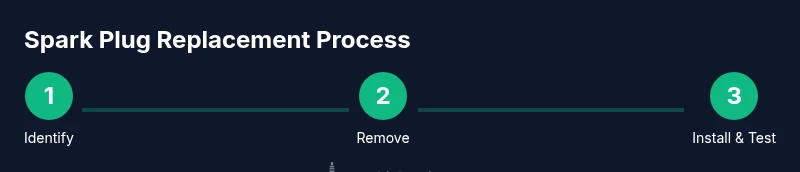
This section provides a practical mental map for a safe, effective replacement. Start by confirming engine model compatibility, gathering the right tools, and ensuring the engine is cool. Inspect the old plug for signs of fouling or oil, then prepare and align the new 692051 plug. Finally, seat the plug properly and re-test the engine to verify that performance has improved. The goal is to minimize misfires and create a stable ignition environment tailored to your engine.
Common issues after replacement and troubleshooting
Even when you install the correct plug, issues can arise. If the engine misfires, check for loose wiring, worn ignition components, or a contaminated plug boot. Fouling can also indicate a broader problem such as carburetor imbalance or oil leakage into the combustion chamber. Always re-check the plug seating and gap after a few minutes of running and listen for any abnormal knocking or pinging. If problems persist, revisit compatibility and the engine’s electrical system.
Maintenance tips to extend spark plug life and engine health
Maintenance isn’t just about replacing a single part; it’s about keeping the entire ignition system healthy. Regularly inspect the spark plug boot for corrosion, use dielectric grease on the boot terminals, and keep the spark plug threads clean before installation. Store spare plugs in a clean, dry place to protect ceramic insulation. Following OEM recommendations for gap and torque helps maximize plug life and engine reliability over time.
Next steps: sourcing and ongoing care
Once you’ve mastered the 692051 replacement, keep a small maintenance log for your engine model and plug type. Note the date of replacement, observed performance, and any anomalies. When you need a replacement, reference the maker’s Parts Diagram and order through authorized channels to avoid counterfeit parts. A quick record helps you plan future maintenance cycles and sustain peak engine performance over the season.
Tools & Materials
- Spark plug socket wrench (6-point) with 1/2 inch drive(Magnetic socket is preferred to hold the plug.)
- Ratchet with extension(Helps reach tight spaces on small engines.)
- Torque wrench (optional but recommended)(Use per OEM torque spec.)
- Gap tool or feeler gauge(For verifying the replacement plug's gap.)
- Replacement Briggs & Stratton spark plug 692051(OEM or equivalent with correct heat range.)
- Dielectric grease (optional)(Prevents corrosion on the boot ends.)
- Clean rag or shop towels(Wipe debris from threads and seating area.)
- Gloves and eye protection(Basic safety gear for handling metal parts.)
Steps
Estimated time: 20-40 minutes
- 1
Prepare and safety checks
Power down the engine and allow it to cool. Remove the spark plug boot from the old plug without pulling on the wire itself. Set a clean work area to prevent debris from entering the combustion chamber.
Tip: Always wear gloves and safety glasses before starting. - 2
Locate the spark plug and prepare the area
Trace the ignition wire to the spark plug location. Clear surrounding dirt and wipe the area to prevent contamination when removing the plug.
Tip: Keep a magnet handy to grab the plug after removal. - 3
Disconnect the wire boot and loosen the plug
Gently twist and pull the boot away from the plug to avoid wire damage. Use the spark plug socket to loosen counterclockwise.
Tip: Turn slowly to avoid cross-threading. - 4
Remove the old plug and inspect
Take out the plug and inspect electrode wear, deposits, and seal condition. If you see heavy fouling or damage, replace rather than clean.
Tip: Note deposits to diagnose other engine issues later. - 5
Gap the replacement plug
Check the 692051 gap with a gauge and set to OEM specifications using a gap tool. Do not force the plug into an improper gap.
Tip: If the plug comes pre-gapped, verify with the engine manual. - 6
Install the new plug and torque to spec
Thread the new plug by hand to seat it cleanly, then snug or torque to the engine’s specification using a torque wrench if available.
Tip: Avoid over-tightening to prevent head damage. - 7
Reconnect the boot and seal
Reconnect the ignition boot fully and apply dielectric grease if desired. Ensure the boot is seated and the wire is not loose.
Tip: Ensure there is no visible gap between boot and plug. - 8
Test run and final checks
Start the engine and listen for a smooth idle. Check for misfires and recheck the plug seating after a short test run.
Tip: If misfire occurs, recheck gap and seating immediately.
FAQ
Is the 692051 compatible with all Briggs & Stratton engines?
Not every Briggs & Stratton engine uses 692051. Always check the engine manual or parts diagram to confirm compatibility before purchasing.
Not every Briggs & Stratton engine uses 692051. Check the manual or parts diagram to confirm compatibility before buying.
Can I clean a fouled 692051 plug instead of replacing?
If deposits are heavy or the plug is damaged, replacement is recommended. Cleaning can rarely restore performance and may hide underlying issues.
If deposits are heavy or damaged, replace instead of cleaning.
What are clear signs that the plug needs replacement?
Common signs include heavy carbon fouling, oil fouling, worn electrodes, or a gap that can’t be restored.
Look for deposits, wear, or damaged threads.
Should I use anti-seize on the plug threads?
Follow Briggs & Stratton guidance; many engines do not require anti-seize and applying it can alter torque. If used, apply sparingly.
Follow the manual; avoid heavy anti-seize and only use sparingly if recommended.
Where can I buy Briggs & Stratton 692051?
Check authorized Briggs & Stratton dealers, official parts catalogs, or reputable retailers. Compare prices and verify the right heat range.
Buy from authorized dealers or trusted retailers; verify the model and heat range.
What safety steps should be taken when changing a spark plug?
Power the engine off and let it cool before starting. Disconnect the spark plug wire and use insulated tools.
Turn off the engine, cool it, disconnect the wire, and use insulated tools.
Watch Video
Main Points
- Identify the correct 692051 plug before purchasing
- Follow OEM gap and torque specs for best results
- Use proper tools to prevent cross-threading and damage
- Test the engine after replacement to confirm performance