Spark Plug Guide for Briggs & Stratton Lawn Mowers
A practical, data-driven guide to diagnosing, selecting, and replacing the spark plug for Briggs & Stratton lawn mower engines. Learn gaps, torque, and maintenance to ensure reliable starts and efficient operation.


Spark plug basics for lawn engine fundamentals
The spark plug is a small but critical component in Briggs & Stratton lawn mower engines. It creates the ignition spark, ignites the air-fuel mixture, and influences starting reliability, fuel efficiency, and emissions. For the spark plug for lawn mower briggs and stratton, you want a plug designed for small air-cooled engines with compatible thread size and heat range. In practice, many homeowners replace worn plugs as part of routine maintenance to prevent misfires and hard starts. This section explains what to look for when evaluating a plug and why the right choice matters for cold starts and hot runs. Your choice affects ignition quality, fuel economy, and overall engine longevity, so a small investment in the right plug pays off in fewer headaches on mowing day.
How to choose the right spark plug for lawn mower briggs and stratton
Choosing the right spark plug starts with compatibility and the engine’s design. Briggs & Stratton small engines commonly use copper-core, platinum, or iridium plugs, each with different wear characteristics. The key factors are thread size, heat range, and gap specification. For a spark plug for lawn mower briggs and stratton, verify that the plug matches your model’s recommended heat range and thread diameter, then compare pros and cons:
- Copper-core plugs: lowest cost, adequate performance for casual mowing, but shorter life.
- Platinum/iridium plugs: longer life and more stable performance under varied loads, typically at a higher upfront cost.
- Heat range alignment: pick a plug rated to operate efficiently across your typical mowing conditions (cold starts vs. hot sessions).
Always check the mower’s owner manual or Briggs & Stratton parts catalog for model-specific recommendations. This ensures you don’t install an incompatible plug that could lead to misfires, fouling, or starting problems.
Signs your spark plug is failing and how to test it
A worn or fouled plug often manifests as starting difficulty, rough idle, or a loss of power during cutting. Look for visible deposits (carbon buildup, oil fouling), a white or melted insulator indicating excessive heat, or a gap that has widened beyond specification. A quick test can be performed by inspecting the electrode and insulator visually, performing a simple spark test using a diagnostic tool, or cleaning and re-testing the plug in non-critical conditions. If you notice persistent misfires or poor performance after cleaning, replace the plug with a compatible model and re-test the engine’s response.
Replacement guide: tools, safety, and steps
Before replacing, gather the right tools: a spark plug socket, a torque wrench (if your model specifies a torque value), a gap gauge, and a clean rag. Safety first: disconnect the spark plug boot to avoid shocks, work on a cool engine, and keep the area free of fuel sparks. Steps:
- Locate the spark plug boot and remove it.
- Clean the surrounding area to prevent debris from entering the cylinder.
- Use a spark plug socket to unscrew the old plug and inspect its condition.
- Gap a new plug to the manufacturer’s specification using a gauge.
- Thread the new plug by hand, then snug with the socket before checking torque. Torque should align with your engine’s spec; if you don’t have a spec, aim for a light, gradual snug without overtightening.
- Reconnect the boot and start the engine to confirm smooth operation.
If you observe fuel odor, overheating, or persistent misfires after installation, recheck the gap and heat range or consult a professional.
Gap, heat range, and fuel considerations
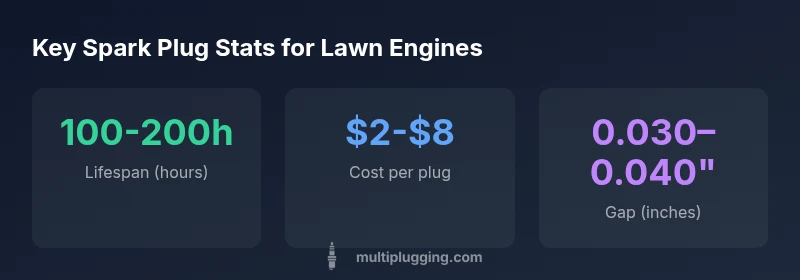
Gap size is critical for consistent ignition. Briggs & Stratton engines typically fall within a narrow gap range, but always verify the exact specification on your plug packaging or the owner manual. Heat range matters because an incorrect range can cause pre-ignition or fouling under certain climates or loads. When selecting a plug, consider the engine’s operating environment—hot days, heavy loads, or frequent starts—and choose a plug with an appropriate heat range. In addition, correct fuel quality and air intake cleanliness influence plug performance; a rich or lean mixture can contribute to fouling or misfiring even with the right plug.
Maintenance checklist to maximize life of spark plugs
A proactive maintenance routine can extend plug life and engine performance. Use a checklist:
- Inspect plugs during seasonal service for signs of fouling or wear.
- Maintain clean air filters to prevent debris from entering the combustion chamber.
- Keep the spark plug well-sealed and free of oil or fuel leaks.
- Store spare plugs in a clean, dry environment to prevent corrosion.
- Record replacement intervals to identify patterns and optimize maintenance timing.
Following these steps reduces the odds of sudden failures and helps sustain reliable starts over the mowing season.
Common mistakes and how to avoid them
Common missteps include using the wrong heat range, over-tightening plugs, ignoring a fouled plug, and neglecting to check the gap after cleaning. Always confirm model compatibility, don’t assume a plug is interchangeable across Briggs & Stratton models, and never force a plug with a wrong thread. When in doubt, replace with a plug that explicitly lists Briggs & Stratton compatibility and follow the manufacturer’s torque guidance to prevent thread damage or sealing issues.
Extending spark plug life with proper care and storage
Care and storage habits influence plug life. Keep plugs clean and dry, store them in anti-corrosion containers, and avoid exposing them to moisture or chemicals that could corrode the electrode. Regularly replace spark plugs at the recommended intervals rather than waiting for noticeable performance decline, as early replacement can prevent extended misfiring episodes and reduce overall engine wear. Finally, use anti-seize only if the manufacturer specifies it for your engine to avoid improper torque.