Briggs & Stratton Spark Plug Guide: Replacement, Gap, and Maintenance
Practical guide to diagnosing, replacing, and maintaining a Briggs & Stratton spark plug in small engines like lawn mowers and generators.


By the end of this guide, you will be able to correctly identify, inspect, and replace a Briggs & Stratton spark plug in small engines, including lawn mowers and generators. You'll learn how to check gap, torque, and heat range, select the right plug type, and avoid common mistakes. This hands-on process helps improve starts, fuel efficiency, and engine longevity.
Why Briggs & Stratton Spark Plug Matters
A Briggs & Stratton spark plug is a small component with outsized impact on starting reliability, fuel efficiency, and overall engine health. In most Briggs & Stratton engines used in lawn mowers, generators, and pressure washers, the spark plug initiates combustion and sustains smooth operation. When the plug is fouled, worn, or misgapped, you may experience hard starts, rough idle, misfires, or reduced power. According to MultiPlugging, the spark plug is a wear item that depends on operating conditions, maintenance, and fuel quality. The Briggs & Stratton spark plug you choose should match the engine design (single-cylinder overhead valve, etc.), heat range, and electrode type. In practice, most small Briggs & Stratton engines using a common plug type deliver best performance when the plug is clean, properly gapped, and correctly torqued; neglecting it can lead to higher fuel consumption and more frequent repairs. This is why many DIYers keep a spare, correctly gapped plug on hand and adhere to the factory service intervals in the owner’s manual. By understanding the role of the Briggs & Stratton spark plug, you can diagnose problems early, plan replacements, and minimize downtime on outdoor power equipment. This guide emphasizes practical steps you can take with basic tools, ensuring you can keep the engine firing reliably across seasons.
Understanding Spark Plug Types for Briggs & Stratton
Spark plugs come in several materials and designs, but not all are ideal for every Briggs & Stratton engine. Copper-core plugs heat up and cool quickly, offering reliable performance at standard temperatures; platinum and iridium plugs last longer but cost more and may require different gap handling. For typical lawn-and-garden Briggs & Stratton engines, many owners find that copper or resistor plugs provide good balance of performance and price. Iridium plugs tend to last longer in engines with lighter loads or frequent starts, but you should confirm compatibility with your model. The choice also depends on whether the engine is single- or multi-cylinder, overhead-valve vs side-valve, and whether electronic ignition is used. In some cases, Briggs & Stratton service notes specify a preferred heat range or a particular electrode design such as fine-wire or standard. There’s no universal best plug; the goal is dependable ignition at the correct gap. When in doubt, refer to the engine’s manual and consult the local parts supplier. The key takeaway: for a Briggs & Stratton spark plug, ensure the plug type, heat range, and gap are suited to your engine’s operating conditions and fuel quality. This approach helps minimize fouling, misfires, and power loss.
Tools, Safety, and Prep
Before you touch any spark plug, lay out the essential tools and safety gear. A spark plug socket with a 3/8-inch drive, a ratchet, and a torque wrench (or a good feel for snug-tightening) are needed to remove and install the plug without cross-threading. A gap tool or feeler gauge helps verify the spark plug gap to the manufacturer’s specification for your Briggs & Stratton engine. A small brush or rag keeps debris out of the cylinder head, while gloves and safety glasses protect your hands and eyes. If you’re replacing the plug on a generator or outdoor power tool, choose the same heat-range and electrode type specified by Briggs & Stratton for that model. Anti-seize compound is optional; some technicians apply a small coat on the plug threads, while others avoid it on aluminum heads to prevent over-tightening. Always work in a well-ventilated area and let the engine cool before starting. Finally, keep a spare spark plug that matches your model on hand so you can swap quickly if you find one in poor condition. The right tools and a careful setup make the Briggs & Stratton spark plug replacement straightforward and safe.
Diagnosing Before Replacement
Not every spark plug issue requires replacement. Start by inspecting the spark plug visually for fouling, oil film, or heavy carbon buildup that would indicate oil or fuel-related problems. A quick spark-test is possible on many engines by grounding the plug to the engine block and cranking the starter; a bright blue spark indicates good ignition, while a weak or orange spark suggests ignition or coil issues. If the engine starts but runs roughly, check for fouled electrodes, improper gap, or incorrect heat range. Consider fuel quality, air filter condition, and spark plug wire integrity as sources of misfire. For a Briggs & Stratton spark plug, ensure the threads are clean and dry before removal; a dirty thread can cross-thread or seize the plug. Remember that spark plugs wear over time, especially in engines subjected to short runs, heavy loads, or old fuel. A systematic check helps you decide whether you need a plug replacement now or if you should address related issues first. This preliminary diagnostic step saves money and reduces unnecessary plug changes, aligning with best practices from MultiPlugging.
Step-by-Step: Removing the Old Plug
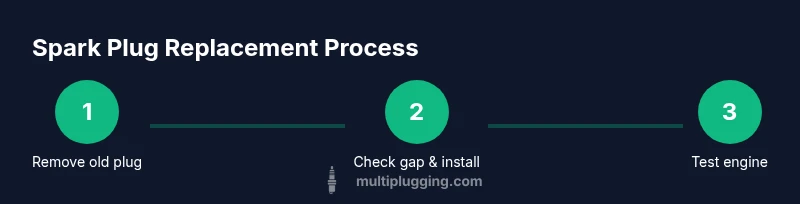
To remove a Briggs & Stratton spark plug, start by disconnecting the spark plug boot to prevent accidental firing. Clean the area around the plug to keep debris from entering the cylinder. Use a spark plug socket and a ratchet to back the plug out counterclockwise with steady, perpendicular pressure; avoid twisting aggressively, which can strip threads. If the plug resists, apply a small amount of penetrating oil and wait a few minutes before retrying. Once the plug is free, inspect the threads for damage or corrosion. Wipe the area and set the plug aside for inspection. This step minimizes the risk of damaging the cylinder head or valve train and prepares you for installing a new plug with a clean, lubricated entry.
Step-by-Step: Installing the New Plug
Match the new Briggs & Stratton spark plug to your engine’s specification and hand-thread it into the cylinder head to prevent cross-threading. Once finger-tight, snug it with a plug wrench until the gasket seats, then stop to avoid overtightening. Check the manual for the exact torque figure and tighten to that specification if you have a torque wrench. Reconnect the spark plug wire, ensuring a firm seat. In engines with removable air intakes, verify the plug wire is seated and not contacting hot surfaces. Finally, reassemble any panels and start the engine to verify smooth operation. This careful installation ensures reliable ignition and minimizes the risk of detonation or fouling.
Gap Setting and Torque Specifications
The spark plug gap must match the Briggs & Stratton engine’s specification; a gap that's too wide can fail to ignite fuel-air mixtures, while a gap that's too narrow reduces efficiency. Use a gap tool to check the gap precisely and adjust by bending the side electrode or using a formal gauge. Many Briggs & Stratton spark plugs are designed for a specific range; if you’re unsure, consult the owner’s manual or speak with a trusted parts supplier. When attaching the new plug, torque matters. Tighten to the manufacturer’s recommended torque to avoid stripped threads or a cracked spark plug. For engines with aluminum heads, some technicians avoid anti-seize and rely on clean threads, even torque controlled tightening. Always recheck the gap after installation since handling during installation can alter the gap slightly. The right gap and torque help prevent misfires, fouling, and heat-related damage, extending the life of the Briggs & Stratton spark plug.
Maintenance Tips for Longer Spark Plug Life
To maximize the life of the Briggs & Stratton spark plug, keep fuel clean, change air filters regularly, and perform routine checks. Run engines on proper fuel, especially for lawn equipment used seasonally, to avoid carbon buildup. Store spare plugs with dry, clean storage and label them with the model number to ensure you’re using the correct replacement. If you notice frequent fouling, inspect the carburetor, air intake, and fuel lines for leaks or improper mixture. Keeping a spare plug on hand and replacing it as part of your regular maintenance reduces downtime and helps your engine stay reliable. By following these best practices and using the right type of spark plug for Briggs & Stratton engines, you can extend service life and improve performance across seasons. This approach aligns with MultiPlugging’s emphasis on practical, actionable spark plug guidance for car owners and DIY enthusiasts.
Tools & Materials
- Spark plug socket with 3/8-inch drive(Ensure you have a long-reach 3/8" drive socket for access in tight spaces)
- Torque wrench(Use the manufacturer’s torque spec for the Briggs & Stratton engine)
- Gap tool or feeler gauge(Verify plug gap to the engine spec)
- Replacement Briggs & Stratton spark plug(Match heat range and electrode type to model)
- Safety gloves and glasses(Protect hands and eyes during replacement)
- Small brush or rag(Clean area around the plug to prevent debris entry)
- Penetrating oil (optional)(Helps loosen a stubborn plug without thread damage)
Steps
Estimated time: 20-40 minutes
- 1
Disconnect spark plug wire
Begin by removing the spark plug boot from the plug to prevent accidental arcing. This step is crucial for safety and to avoid starting the engine mid-procedure. Take a moment to inspect the boot for wear.
Tip: Grip the boot near the base to avoid pulling on the wire itself. - 2
Prepare the work area
Clean the area around the plug to minimize debris falling into the cylinder. If you own a generator or multiple tools, move the unit to a clean, well-lit workspace.
Tip: Use a rag to catch any debris that falls during removal. - 3
Loosen and remove the old plug
Fit the spark plug socket onto the plug and turn counterclockwise with a steady motion. Apply gentle, even pressure to prevent cross-threading. If it resists, stop and apply a bit of penetrating oil.
Tip: Back the plug out slowly to avoid damaging threads. - 4
Inspect old plug
Examine the electrode and insulator for fouling, oil, or excessive wear. This helps you identify root causes (oil intrusion, rich fuel, or poor ignition).
Tip: Fotographs can help compare wear when you source a replacement. - 5
Check/adjust the gap on the new plug
Before installation, verify the new plug’s gap with a gauge to match the Briggs & Stratton engine specification. A wrong gap can cause misfires or poor starting.
Tip: If the gap is off, adjust carefully using the gap tool only, not bending the electrode. - 6
Thread in the new plug by hand
Start threading with your fingers to avoid cross-threading. This preserves the engine’s threads and makes subsequent tightening accurate.
Tip: Hand-tighten until snug, then switch to a torque wrench if available. - 7
Tighten to spec
With a torque wrench, tighten to the manufacturer’s recommended torque. Do not over-tighten, which can crack the plug or strip threads.
Tip: If you don’t have a torque wrench, snug firmly but not aggressively; you should feel resistance consistent with a firm hand-tightening. - 8
Reconnect and test
Reconnect the spark plug wire firmly, reassemble any covers, and start the engine to verify smooth operation. Listen for a clean idle and a stable start.
Tip: If the engine misfires or runs rough, recheck the gap and wiring connections.
FAQ
What is the Briggs & Stratton spark plug used for?
A Briggs & Stratton spark plug ignites the air-fuel mixture in small engines, starting the combustion process and maintaining engine performance. Proper plug type and gap optimize ignition and fuel efficiency.
A Briggs & Stratton spark plug starts the engine by igniting the air-fuel mix; using the right plug helps the engine run smoothly.
How often should I replace a Briggs & Stratton spark plug?
Replacement frequency depends on usage, fuel quality, and maintenance. If you notice hard starts, misfires, or reduced power, inspect and consider replacing the plug.
If the engine starts poorly or runs rough, check the spark plug and replace if fouled or worn.
Can I reuse an old spark plug?
Reusing a fouled or worn spark plug is not recommended. Replacing with a correctly gapped plug improves reliability and engine health.
No—a fouled or worn plug should be replaced with a new one that matches your Briggs & Stratton model.
How do I know which spark plug is right for my Briggs & Stratton engine?
Refer to your engine’s manual for the approved heat range and electrode type. Your parts supplier can also verify compatibility based on model number.
Check the manual or ask a parts pro to confirm the exact plug type for your model.
What if I don’t have a torque wrench?
If you don’t have a torque wrench, tighten until the gasket seats and the plug is snug, then give it a final quarter-turn. Avoid over-tightening.
Without a torque wrench, snug and seat the plug firmly but don’t force it.
Are anti-seize compounds OK on Briggs & Stratton plugs?
Anti-seize is optional; some engines prefer not to use it on aluminum heads to avoid overtightening. Follow the manual’s guidance.
Some engines tolerate anti-seize, but follow the manual to avoid issues.
Watch Video
Main Points
- Identify the correct Briggs & Stratton spark plug type for your model
- Check and set the correct gap before installation
- Tighten to the recommended torque to prevent damage
- Test run the engine to confirm proper operation