Spark Plug for Mini Cooper: Diagnostics, Replacement, and Maintenance
Learn how to choose, replace, and optimize the spark plug for Mini Cooper engines. This guide covers heat range, gap, installation tips, maintenance intervals, and troubleshooting to keep your Mini running smoothly.


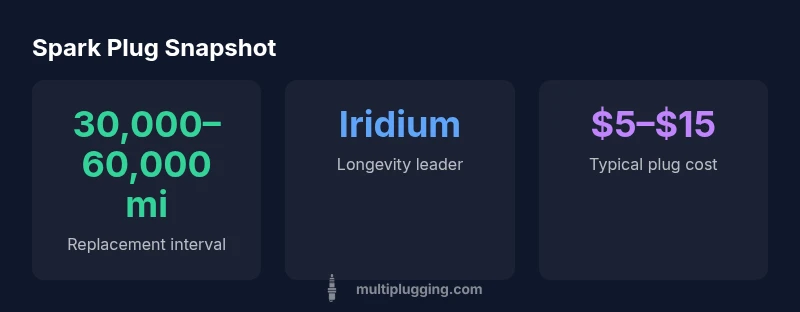
Most Mini Cooper engines perform best when you select a spark plug that matches the engine’s heat range and firing interval. For many models, high-quality iridium or platinum fine-wire plugs provide longevity and reliable starts. A practical replacement interval is roughly 30,000–60,000 miles, depending on model and driving conditions. Always verify with the owner's manual.
Why the spark plug matters for a Mini Cooper
The spark plug is the critical ignition component that starts and sustains the combustion process in a Mini Cooper engine. A healthy plug ensures clean and consistent ignition, smooth idle, good throttle response, and efficient fuel use. Worn, fouled, or incorrect plugs can cause misfires, rough running, reduced power, and higher emission levels. When discussing the spark plug for Mini Cooper models, the focus is on selecting the right heat range and conductor design to match operating conditions and fuel quality. Regular inspection during service helps you avoid unexpected failures and maintain peak performance.
How engine design influences plug selection
Mini Cooper engines vary across generations, and some configurations incorporate turbocharging or direct injection. These design differences affect the ideal heat range, electrode geometry, and impedance needs of the plug. In modern setups, iridium or platinum fine-wire plugs offer superior longevity and resilience to fouling, which is beneficial for mixed driving patterns (urban commuting + highway cruising). Always align plug choice with the model-specific guidance from the owner’s manual or official service literature. This alignment minimizes misfires and maintains consistent ignition efficiency.
How to choose the right plug
Choosing the right plug depends on several factors: heat range, electrode design, and longevity. For most Mini Cooper drivers, iridium or platinum fine-wire plugs provide the best balance of durability and reliable ignition. Copper-core plugs are cheaper upfront but wear faster and may require more frequent replacements. Avoid plugs that are too cold for frequent city driving (which can foul) or too hot for high-load operation (which can overheat). The final decision should reference the vehicle’s official specification for your exact model and engine type, ensuring compatibility with ignition coils and fuel system timing.
Gap, torque, and installation basics
Gap size and seating torque are critical to proper spark plug performance. Use a gap gauge to verify the recommended gap within the range specified by the manufacturer, and ensure the plug seats cleanly without cross-threading. When tightening, follow the engine’s recommended seating torque with a torque wrench, and avoid over-tightening, which can damage threads. If the plug was removed for inspection, re-check the gap after seating because the process can alter the gap slightly. Always use anti-seize compounds only if recommended by the manual and with the correct concentration.
Maintenance scheduling and when to replace
Routine maintenance should include a plug inspection as part of the regular service cycle. Driving conditions influence replacement timing: city-heavy driving with frequent stops tends to wear plugs faster than steady highway cruising. For many Mini Cooper models, a replacement window of 30,000–60,000 miles is typical, but always defer to the owner’s manual. If you drive in harsh climates or use premium fuels, you may observe different wear patterns and adjust accordingly.
Troubleshooting symptoms and diagnosis
When plugs begin to fail, you may notice rough idle, misfires, hesitation on acceleration, or increased fuel consumption. A spark plug check can help confirm whether wear, fouling, or incorrect heat range is the culprit. Inspect each plug for color, deposits, and electrode wear, and consider coil health as well since misfires can be coil-related. If one plug shows significant wear, inspect others to maintain balanced performance across cylinders.
Practical replacement steps (high-level)
Prepare: gather a suitable replacement plug, gap tool, and torque wrench. Disconnect the battery, remove the ignition coils or spark plug boots, and carefully extract the old plugs. Check thread condition and install the new plugs with the correct seating torque. Reconnect coils, reinstall boots, and reconnect the battery. Start the engine and listen for a smooth idle and proper operation. If you notice roughness post-replacement, recheck torque, gap, and coil connections.
Spark plug selection and maintenance for Mini Cooper engines
| Property | Mini Cooper notes | Practical tip |
|---|---|---|
| Heat range | Model-dependent; aim for a balance that prevents fouling in urban driving | Check the service manual for exact spec |
| Electrode type | Iridium or platinum fine-wire common | Select top-tier for longevity |
| Gap (inches) | 0.028–0.060 (typical range) | Refer to spec before adjusting |
| Operating environment | City vs highway affects wear | Tune replacement window to driving style |
| Replacement interval (miles) | 30,000–60,000 | Follow manufacturer guidance |
FAQ
Do I need to replace all spark plugs at once in a Mini Cooper?
In most cases, replacing all plugs at the same time ensures balanced performance and even wear. If one plug shows significant wear, inspect the others and plan replacement in a single service to maintain consistent ignition across all cylinders.
Usually best to replace all plugs at once to keep performance even across cylinders.
Can I use aftermarket spark plugs in a Mini Cooper?
Aftermarket plugs can work if they match the engine’s heat range and design. Avoid non-spec or exotic options; opt for OEM-equivalent plugs from reputable brands.
Yes, but choose plugs that match your engine specs and use trusted brands.
What are common signs that spark plugs need replacement?
Rough idle, misfires, reduced acceleration, higher fuel consumption, and starting difficulties are common indicators. If you notice any, inspect all plugs and related ignition components.
Look for rough idle or misfires as common signs of worn plugs.
What is the difference between iridium and platinum plugs for Mini Coopers?
Iridium plugs typically offer longer life and better wear resistance, while platinum plugs are often cheaper upfront. Choose based on your maintenance goals and budget.
Iridium lasts longer and can be worth the extra cost for long-term use.
Do I need special tools to gap or install plugs in a Mini Cooper?
A proper gap gauge and a torque wrench are recommended. Follow the service manual for exact torque and seating procedures.
Use a gap tool and torque wrench, then follow the manual.
How often should I check spark plugs in city driving versus highway driving?
City driving can foul plugs faster due to frequent stops; highway driving is gentler. Check plugs at regular service intervals and adjust replacement timing accordingly.
City driving can wear plugs faster; check during service and adjust as needed.
“Choosing the right spark plug for a Mini Cooper isn’t just about longevity; it’s about stable combustion, dependable starts, and consistent performance across driving conditions.”
Main Points
- Match plug type to engine design and driving conditions
- Choose iridium or platinum for longevity
- Follow the owner's manual for replacement intervals
- Inspect all plugs during service to avoid imbalanced wear
- Consult official sources for your exact model