Napa Spark Plug Wires: DIY Replacement Guide for Cars
Learn how to diagnose, select, and replace Napa spark plug wires with confidence. This educational guide covers compatibility, tools, step-by-step wiring, safety tips, and common mistakes to avoid.


With Napa spark plug wires, this guide shows you how to identify worn wiring, choose the right wire set for your vehicle, and perform a safe, correct replacement. Learn compatibility, tool selection, proper routing, and post-install tests to keep your engine firing on all cylinders even in rough weather conditions.
Understanding Napa spark plug wires and why they matter
Ignition wires are a critical link in the ignition system, delivering high voltage from the coil to each spark plug. Napa spark plug wires are a popular aftermarket option used by many DIYers for reliable, road-tested performance. A good wire set is designed to withstand heat, oil exposure, and engine vibration while maintaining a strong, consistent spark across all cylinders. When you pick the right Napa wires for your engine, you improve starting reliability, throttle response, and overall driveability. In this guide we explain how to identify worn wires, verify compatibility, and complete a safe replacement using common tools. Remember: wiring is engine-specific, so knowing your vehicle’s make, model, and engine layout helps you choose the exact Napa wire set you need. According to MultiPlugging, selecting the proper wire set is a foundational step in any reliable ignition maintenance plan. By the end, you’ll have a clear path from diagnosis to installation and testing.
A few practical truths about Napa spark plug wires: they come in application-specific and universal designs, with varying lengths, boot styles, and resistance ratings. The firing order of your engine dictates wire routing, and improper routing can cause misfires or arcing. The MultiPlugging team emphasizes that choosing wires that match your engine’s requirements is essential for optimal performance and longevity. Keep this in mind as we move through signs of wear, selection criteria, and step-by-step installation.
Signs of worn wires and when to replace
Worn spark plug wires manifest in several telltale ways. First, you may notice intermittent misfires, especially under load or at higher RPMs. A rough idle, hesitations on acceleration, or the check engine light coming on are common symptoms. Visual inspection can reveal aged insulation, cracks, or oil saturation that degrades performance. Rubber boots at the ends can also crack or harden, making poor contact with the spark plug or coil boot. If you observe any of these signs, it’s wise to test resistance with a multimeter and compare to the vehicle’s specifications. Persisting high resistance or inconsistent readings suggest the Napa wire set is past its prime and should be replaced.
Another consideration is environmental exposure. Engines that run hot, or vehicles with oil or coolant leaks, accelerate wire wear. After exposure to heat and fluids, even carefully selected Napa wires may lose their protective properties. If you notice discoloration, a buzzing sound near a wire boot, or melted boot material, replacement is not optional—it’s a preventative maintenance decision that protects the entire ignition system. MultiPlugging analysis shows that timely replacement reduces misfire risk and restores consistent spark delivery across all cylinders. In short: wear signs, electrical tests, and physical inspection together guide replacement timing.
How to pick the right Napa wire set for your engine
Choosing the correct Napa spark plug wires hinges on compatibility and fit. Start by confirming your vehicle’s year, make, model, and engine size. Some engines use coil-on-plug configurations, while others rely on distributor or coil packs. In these cases, Napa offers both application-specific sets and universal options. Lengths must match the path from coil/ distributor to each spark plug, and boot shapes must fit snugly over the plug terminals without kinking. Pay attention to resistance ratings, which affect spark travel and ignition stability across cylinders. High-quality Napa sets are designed to handle heat, oil exposure, and engine vibration—critical in typical daily drivers. If you’re unsure, consult Napa’s catalog with your VIN or chat with a knowledgeable parts professional. The goal is a seamless fit with minimal routing changes and no interference with belts, hoses, or moving parts. The right wires improve cold starts, idle quality, and throttle response, especially in older engines where ignition components have aged.
In addition to fit, consider the overall condition of the ignition system. If you’ve recently replaced spark plugs or have worn ignition coils, a wire set that matches the new configuration helps maximize performance. Always check for compatibility notes in the Napa wire set description and verify that the resistance and conductor size meet your engine’s requirements. A correctly matched Napa wire set lays the groundwork for reliable ignition performance and smoother running, which is especially noticeable in engines with higher compression or performance-oriented calibrations.
Preparing for replacement: safety and planning
Preparation is the difference between a smooth job and a frustrating, failed replacement. Before you touch anything, ensure the vehicle is parked on a flat surface with the parking brake engaged. If possible, disconnect the negative battery terminal to minimize the risk of electric shock while handling high-voltage components. Gather your tools and a clean workspace. Label the old wires or photograph the layout to preserve your cylinder order during reinstallation. This is crucial because ignition order drives correct routing and avoids cross-fire or misfires. Inspect the old wires for visible cracks, hardening, oil contamination, and boot instability—their condition provides clues about how aggressively you should replace them. Finally, confirm you have the correct Napa wire set for your engine. If in doubt, consult the vehicle manual, the Napa wiring catalog, or a professional. Taking time here saves you from rework and potential engine damage later on.
Safety notes: never work on a hot engine. Allow the engine to cool for at least 10–15 minutes before starting. Wear gloves to protect your hands, and keep a rag handy to wipe surfaces clean as you work. A tidy, orderly approach reduces the risk of mix-ups in wire order and ensures a clean installation.
Step-by-step overview of replacement (conceptual)
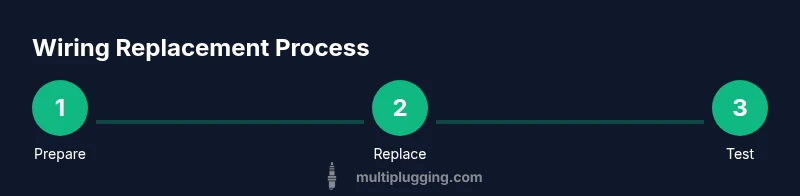
Replacing Napa spark plug wires involves a methodical, one-at-a-time approach to avoid misrouting. Start by locating the coil packs or distributor and identifying the first wire to remove. Remove one wire at a time from the spark plug end, then the distributor/coil end, taking care not to yank. Place the new wire in the same position and connect it in the reverse order—first at the plug, then at the coil or distributor. Repeat for each cylinder, keeping the wires organized and labeled. After installation, verify that all boots are fully seated and that there is no contact with hot exhaust components or moving parts. Finally, reattach the battery, start the engine, and listen for misfires. If the engine runs smoothly and there are no warning lights, you’re likely done. If misfires appear, double-check cylinder order and wire seating. The goal is a clean, uninterrupted spark path from coil to plug for every cylinder, with wires routed away from heat sources and moving parts. This approach minimizes risk and helps ensure a long-lasting, reliable ignition system.
Routing, fit, and avoiding common mistakes
One of the most common mistakes is routing wires too close to hot exhaust components or sharp edges. When you install Napa spark plug wires, follow the factory routing paths as closely as possible, using existing harness clips or grommets to secure wires. Avoid crossing wires or creating tight bends that can stress the conductor or boots. Use dielectric grease on metal-to-plug connections if your instruction sheet recommends it; this reduces seizure risk during removal next time. Ensure each boot is fully seated over the spark plug and that the wire is not compressed by components as the engine moves. If your engine uses a distributor, be extra careful not to torque or move the rotor during removal and installation. Finally, keep the wiring loom organized with wire ties—don’t allow wires to dangle or contact the serpentine belt or pulleys. A tidy layout reduces heat buildup and wear, extending wire life and maintaining performance.
Post-install tests and performance checks
After installation, recheck all connections and inspect for fuel leaks or electrical arcing signs. Reconnect the battery and start the engine, listening for a clean idle and steady firing across all cylinders. If you notice rough idle, misfires, or a rough engine after replacement, recheck the cylinder order, boot seating, and any routing changes you made. A quick test drive is useful to confirm throttle response and smooth acceleration. While driving, pay attention to performance under load—if power delivery remains inconsistent, there might be a secondary issue such as faulty coils or ignition timing that should be diagnosed separately. If the engine runs well and you don’t observe warning lights, you’ve likely completed the replacement correctly. Keeping a record of the exact Napa wire set used and the vehicle information helps future maintenance and part matching.
Maintenance, troubleshooting, and long-term care
Even high-quality Napa spark plug wires wear with time. Establish a visual check routine—every 6–12 months or sooner for high-mileage vehicles—to inspect insulation, boots, and routing. If you notice cracking, oil contamination, or stiff boots, it’s time for a replacement. Keep the engine bay clean and dry to minimize contamination and heat-related wear. If misfires occur after a replacement, check for coil pack issues, bad vacuum leaks, or worn spark plugs. Troubleshooting should be systematic: confirm component ratings, inspect wiring order, recheck connections, and test with a multimeter if you have one. By maintaining wires in good condition and replacing worn sets promptly, you preserve engine efficiency, reduce fuel waste, and improve reliability on a daily-driver car.
Final note on compatibility and performance
Choosing Napa spark plug wires that fit your engine exactly is essential for reliable ignition performance. Always verify wire length, boot type, and resistance against your vehicle’s specifications. When in doubt, rely on official Napa wiring catalogs or consult a parts professional. A proper replacement can restore power, provide smoother idling, and extend the life of the ignition system. The key is attention to detail in fit, routing, and seating, along with careful post-install testing to confirm everything runs cleanly.
Tools & Materials
- NAPA spark plug wire set (vehicle-specific)(Check exact part number and resistance rating for your engine)
- Spark plug socket and ratchet(Needed if you must remove plugs to check channels or confirm clearances)
- Dielectric grease(Lubricates terminals and helps future removal)
- Labeling tape or markers(Label wires to preserve cylinder order)
- Rags or lint-free cloths(Clean surfaces and boot interiors as you work)
- Work gloves(Protect hands from sharp edges and hot components)
- Multimeter (optional)(Verify resistance/continuity if you want extra certainty)
Steps
Estimated time: 45-75 minutes
- 1
Prepare and safety check
Park on a level surface, engage the parking brake, and disconnect the negative battery terminal. Allow the engine to cool for at least 10–15 minutes. Gather your tools and a clean workspace so you can work efficiently.
Tip: Wear gloves and keep a rag handy to wipe any spills or grime. - 2
Label the existing wires
Take a photo or label each wire with its cylinder position before removal. Note the front-to-back orientation and the firing order to ensure correct reassembly.
Tip: Label from center outwards to avoid mixing up wires. - 3
Remove one wire at a time
Grip the boot, twist gently, and pull straight out from the spark plug. Do not yank or pull on the wire along its length; removing in sequence protects other components.
Tip: Always remove carelessly; keep track of each connection as you go. - 4
Compare lengths and routing
Lay the new Napa wires on the old ones to verify lengths and routing paths. This helps avoid tension, kinking, or crossing over hot surfaces.
Tip: If a length seems wrong, recheck the order and re-measure before continuing. - 5
Install new wires in order
Attach the boot to the spark plug first, then connect to the coil or distributor in the corresponding order. Ensure each boot is fully seated and free of oil or dirt.
Tip: Apply a small amount of dielectric grease where recommended to ease removal next time. - 6
Route and secure wires
Route wires away from hot exhausts, belts, and moving parts. Use clips or zip ties to keep them in place without restricting movement.
Tip: Keep a gentle bend radius to prevent internal wire damage. - 7
Reconnect battery and start
Reconnect the negative battery cable and start the engine. Listen for smooth idle; check for any misfires or abnormal sounds.
Tip: If misfires occur, recheck wiring order and seating. - 8
Test drive and final checks
Take a short drive to assess performance under load. Reinspect the wiring, looking for signs of movement or wear, and confirm there are no leaks or electrical arcs.
Tip: Document the part number and installation notes for future maintenance.
FAQ
Are Napa spark plug wires universal across vehicles?
No. Napa wires come in both application-specific and universal designs, but lengths, boot styles, and resistance must match your engine. Always check the catalog or consult a parts specialist for compatibility.
No, Napa wires are not universal; you should verify fit based on your engine and model before buying.
How do I know when wires need replacement?
Look for signs like misfires, rough idle, starting troubles, or a drop in performance. Visual checks for cracked insulation or swollen boots are also indicators that replacement is due.
If you notice misfires or a rough idle, inspect the wires and consider replacing them.
Can I reuse old boots or connectors?
Best practice is to replace worn boots with a new Napa set. Old boots can crack, causing poor contact and misfires even if the wires themselves are fine.
Usually not—new boots are recommended for reliable performance.
Will replacing wires improve fuel economy?
Replacing worn wires can help restore efficient ignition and smoother running, which may improve efficiency. However, MPG depends on many factors beyond wires.
Replacing worn wires can help efficiency, but many factors affect MPG.
Should I replace spark plugs at the same time?
It's often wise to inspect or replace spark plugs when changing wires, especially on high-mileage engines. Worn plugs can hinder ignition performance and defeat the benefits of a new wire set.
Yes, inspect plugs when replacing wires and replace if worn.
What maintenance interval is recommended for Napa wires?
Intervals vary by driving conditions and engine heat. Follow the vehicle manual and periodic visual checks; replace wires when wear, cracking, or oil contamination is evident.
Follow your manual and inspect regularly; replace when you see wear.
Watch Video
Main Points
- Verify vehicle compatibility before buying Napa wires
- Label and remove wires one at a time to preserve order
- Route wires away from heat and moving parts for longevity
- Test engine after installation to confirm proper firing
- Maintain a simple replacement log for future maintenance