How Much Does Spark Plug Service Cost in 2026?
Explore spark plug service costs in 2026, including labor vs parts, cost drivers, and money-saving tips. A data-driven, DIY-friendly breakdown from MultiPlugging.


On average, spark plug service costs between $60 and $180, depending on vehicle type, number of plugs, and labor rates in your area. Parts usually add a small amount per plug, while labor dominates for modern engines with tightly tucked plugs. According to MultiPlugging Analysis, the exact price varies with accessibility, plug type, and whether a full tune-up is performed. For context, the typical range is broader for luxury or high-performance engines.
What Spark Plug Service Actually Does
If you're asking how much does spark plug service cost, you’re not alone. Spark plug service isn’t just slotting in new parts; it’s a diagnostic and preventive process that preserves engine efficiency. A technician starts with a quick diagnostic, then visually inspects each plug, checks ignition wires, tests coils, and reviews any misfire codes or rough-idle data. In many cars, the service includes removing old plugs, cleaning or replacing them as needed, applying anti-seize or corrosion-preventive compounds where appropriate, and rechecking spark-gap specs and final torque. For newer engines, technicians may perform coil-on-plug tests, verify seal integrity, and ensure the ignition system isn’t contributing to oil leaks or excessive fuel consumption. According to MultiPlugging, even plugs that appear fine can quietly degrade performance, so proactive testing often saves money and headaches later.
Typical Price Range and What It Includes
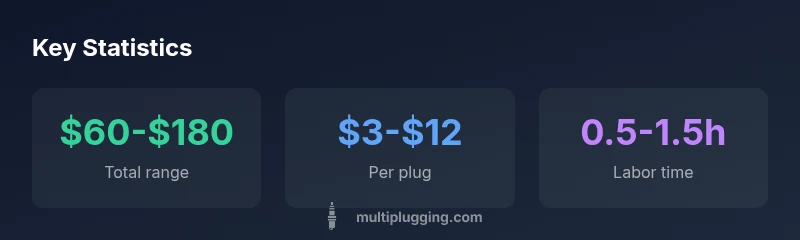
Most shops price spark plug service as a bundled job that covers labor and parts to restore proper ignition. A typical total cost ranges roughly from $60 to $180, depending on engine type, the number of plugs, and your local labor rates. Parts costs usually add a small amount per plug, often in the $3–$12 per plug range, with copper plugs on the cheap end and iridium or platinum variants costing more upfront. Labor is the bigger factor, especially on engines with hard-to-reach plugs or multiple banks. A diagnostic fee or shop supplies (gaskets, anti-seize, dielectric grease) can also appear, adding a few dollars to the bill. The bottom line is that the price you’ll pay reflects both the plug replacement and the complexity of getting at each plug. MultiPlugging analysis shows that price variability is common across regions and technicians, so it’s worth getting a range from a couple of shops.
Major Cost Drivers
The price you pay for spark plug service is driven by several factors. Accessibility is a major one: plugs tucked deep in the engine bay or behind components require more labor and sometimes special tools. The number of plugs in a bank (four, six, or eight) directly scales the parts and labor. Plug type matters too: copper plugs are cheaper upfront, while iridium and platinum variants cost more but may offer longer life. Regional labor rates and shop overhead influence the hourly charge. Finally, any additional work—wires, coils, gaskets, or misfire diagnosis—adds to the total. In short, the cost reflects both the parts you need and how hard it is to perform the service.
How Costs Vary by Vehicle Type
Costs aren’t one-size-fits-all. Compact inline-4 engines typically have four plugs and easier access, keeping costs toward the lower end. V6 and V8 engines often require more plugs and potentially longer labor times, raising prices. Luxury or performance cars may use more expensive plug types and tighter tolerances, pushing costs higher still. Turbocharged or modern direct-injected engines can add complexity, making the service more labor-intensive. In all cases, accessibility and the number of plugs are the deciding factors, with plug material and regional labor rates providing the final variances.
How to Estimate the Cost for Your Car
To estimate the cost for your specific car, follow a simple method: 1) Count how many spark plugs your engine has. Most four-cylinder engines use four plugs, while some six- and eight-cylinder setups use six or eight. 2) Decide on plug type based on your vehicle’s recommended specification (copper, platinum, or iridium). 3) Check your local labor rate (per hour) and estimate hours based on accessibility (0.4–1.2 hours for typical engines, more for very tight spaces). 4) Add any necessary parts beyond plugs (wires, coils, gaskets). 5) Include a diagnostic or disposal fee if applicable. A sample scenario: inline-4 with copper plugs and a mid-range labor rate may fall in the $60–$120 range; higher-end plugs or tougher access can push toward $150–$180.
Ways to Save on Spark Plug Service
Saving on spark plug service is about preparation and shop choice. Get written quotes from 2–3 shops to compare labor and parts pricing. Ask for a parts-only option if you’re comfortable installing basic plugs yourself, or for a bundled service that omits unnecessary diagnostics. Consider independent mechanics who specialize in your vehicle type, as they often offer competitive rates. Scheduling during off-peak times and leveraging coupons or loyalty programs can shave a few dollars. Finally, sticking to manufacturer-recommended plug types preserves performance and avoids costly mismatches that can lead to poor fuel economy.
What to Ask Your Mechanic Before Service
Before authorizing service, ask: 1) Which plug type is recommended and why? 2) Are wires/coils included or excluded from this quote? 3) Will there be a diagnostic fee if no faults are found? 4) What is the estimated labor time and hours? 5) Is there a warranty on the parts and workmanship? 6) Will they torque plugs to the exact specification and use anti-seize when required? Asking these questions helps you understand the scope and avoid surprises at the counter.
The Impact of Spark Plugs on Performance and Emissions
Spark plugs are a critical part of the ignition system, and worn or improper plugs can reduce engine efficiency, increase emissions, and worsen fuel economy. Replacing plugs at the manufacturer’s recommended interval often yields smoother idling, better acceleration, and more consistent MPG. While the upfront cost may seem high, the long-term savings in fuel and potential repairs can be worthwhile. The service price is a small price to pay for reliability and performance, especially in older engines with higher wear or reduced spark quality.
Estimated spark plug service costs by common vehicle types
| Vehicle Type | Typical Cost Range | Notes |
|---|---|---|
| Compact/Inline-4 | $60-$140 | Four plugs; easy access |
| V6/V8 | $100-$200 | More plugs; variable access |
| Luxury/Performance | $120-$260 | Higher cost plugs; tighter tolerances |
| Turbo/Direct-Injected | $110-$250 | Complex access; precise specs |
FAQ
What factors most influence the cost of spark plug service?
The main cost drivers are plug accessibility, the number of plugs, and the type of plugs used. Labor rates and any additional parts or diagnostics also affect the final price. In practice, easier access and fewer plugs keep costs lower, while complex engines and premium plugs push prices higher.
The biggest cost drivers are how hard it is to reach the plugs, how many you have, and what kind of plugs you’re using. Labor rates and extra parts can add to the total.
Does replacing iridium or platinum plugs cost more than copper plugs?
Yes. Iridium and platinum plugs cost more upfront, but they may last longer. The labor impact is mixed: if access is easy, the difference may be more about parts than labor. Always compare total quotes.
Yes, premium plugs cost more, but it depends on access and overall labor. Always compare total quotes.
Can I save money by doing the basics myself?
For simple engines with accessible plugs, you can perform basic checks or replace plugs yourself if you have the right tools and follow the manual. Professional service is recommended for tightly packed engines or if you’re unsure about torque specs.
If you have the right tools and follow the manual, you can handle basic checks or plug replacement yourself. For tight engines, a pro is safer.
Is a diagnostic fee always charged even if no fault is found?
Many shops apply a diagnostic or inspection fee regardless of faults found. Ask for a clear quote upfront and whether the diagnostic fee is waived if plugs are replaced under the same visit.
A diagnostic fee is common. Ask upfront if it can be waived if you proceed with the plug replacement.
Do warranties apply to spark plug service and parts?
Most reputable shops offer a warranty on parts and workmanship, typically covering the replaced plugs for a limited period or miles. Check the warranty terms before service.
Yes, most shops offer a warranty—ask about the terms before they start.
“Price for spark plug service is driven more by labor intensity and access than the car’s age.”
Main Points
- Know you’re budgeting for both parts and labor
- Access and plug type drive most of the price
- Shop around to compare quotes
- Ask for a clear breakdown before any work
- Follow manufacturer recommendations for best results