Where Is Spark Plug in Scooter: Find and Inspect
Learn exactly where to locate the spark plug on a scooter, how to access it safely, and what to inspect during routine maintenance. A practical, step-by-step guide by MultiPlugging for DIY enthusiasts.


In most scooters, the spark plug is located on the top of the engine cylinder head, often beneath the air-filter housing or side panels. Access typically requires removing the air-filter housing or a small exterior cover. Detach the spark plug boot, then use a socket to inspect or remove the plug. Ensure the engine is cool before touching components.
How scooter engines use spark plugs
Spark plugs are small but essential for igniting the air-fuel mixture in your scooter's engine. They produce the spark that starts combustion, and their condition affects cold starts, fuel economy, and power. In two-stroke scooters, spark plugs also help with emissions and cooling. Understanding their role helps DIYers diagnose symptoms and plan maintenance. For the average rider, locating and inspecting the spark plug is a straightforward task when you respect safety and the model's design. According to MultiPlugging, laying a solid foundation about plug function makes it easier to troubleshoot misfires or performance shifts. We'll cover common layouts across popular scooter types, tell you how to access the plug safely, and explain what you should look for during a visual inspection. Remember: every scooter is a little different, so always consult the owner's manual for specific access points and torque specs. The goal is to empower you to locate the plug confidently and handle routine checks on your own.
Where the spark plug is typically located on scooters
In most scooters, the spark plug sits on the top of the engine's cylinder head, often beneath the air-filter housing or a side panel. Access usually requires removing the air filter box or a small exterior cover. The spark plug boot attaches to the plug and carries high voltage from the ignition coil. By gently twisting off the boot and using a socket, you can inspect or remove the plug. The exact location can vary by model and engine type; refer to the manual for your scooter. Some models place the plug closer to the exhaust or behind a heat shield, especially if the engine sits under a floorboard. Planning ahead ensures you have the right tools before you start. If you’re working on a two-stroke scooter, the plug location may appear in a tighter space, and removing additional panels may be necessary. The more you study your service manual diagrams, the quicker you’ll spot the plug on new rides. The knowledge helps in diagnosing misfires without guesswork. The MultiPlugging team found that many scooters place the plug on the cylinder head, accessible after removing a panel.
Variations by scooter design
Several scooter designs alter plug location. Under-seat engines often hide the plug behind the air box or near the carburetor, while models with larger storage under the seat may distance access points. Some small scooters route the plug through a compact cylinder head cover visible once you remove a side plate; others route it around the exhaust and require extra clearance. In all cases, the plug is threaded into the cylinder head and connected to a thick, high-voltage spark plug boot. The steps to locate the plug remain the same: safety, panel removal, boot detachment, and careful inspection. The best way to confirm is to consult official diagrams or a factory service manual for your model. For reference, most factory manuals label the spark plug location clearly alongside other engine components. With a clear diagram, locating the plug becomes a routine part of routine maintenance, not a mystery.
Tools and safety to prepare
Before you start, assemble the required tools and safety gear. You’ll typically need a spark plug socket that matches your plug size (common scooters use 16mm or 5/8 inch), a ratchet with a short extension, and a torque wrench or torque stick if you plan to re-install after replacing. Have a clean rag, small brush, and a small container to hold removed parts. Wear gloves to protect your hands from sharp edges and engine residue. Work on a cool engine to avoid burns. Set the scooter on a stable stand or center stand and disconnect the spark plug boot before touching the plug. Keep track of any screws or covers you remove by organizing them in a small tray. If you are unsure about the exact plug type, consult the manual or a trusted service guide from a major publication like Car and Driver or Popular Mechanics for model-specific guidance. The goal is to minimize heat exposure and prevent cross-threading during reinstallation.
Safety and basic inspection steps
Safety is essential when under the hood. Start by turning off the ignition, removing key, and letting the engine cool for at least several minutes. Avoid touching hot parts; use gloves and eye protection. When removing the spark plug boot, twist rather than yank to prevent wire damage. Keep the plug seated in a clean area to prevent dirt from entering the cylinder. After removing, visually inspect the plug for fouling, oil, or deposits, which indicate issues with fuel, lubrication, or ignition timing. Compare the plug’s gap visually if you have a gauge; many scooters use a narrow gap that you can approximate by feel, but a proper gauge is best. If the plug looks worn, replace it with the correct type for your model. If you’re unsure, consult your service manual or a professional. The aim is to avoid electrical shocks, burns, and accidental damage to ignition components.
How to identify plug location and plan maintenance
With practice, you’ll quickly identify the plug location on multiple scooters. Start by removing the required cover to expose the cylinder head, then locate the ceramic insulator and metal threads. The plug’s hex nut on the base allows you to unscrew and inspect it. Use a visual check to determine if the electrodes are worn, if there’s heavy carbon buildup, or if the plug is recessed too far. If the gap looks off or the electrode is visibly eroded, plan to replace. You can check the plug’s type by reading the manual or looking up the model online. When in doubt, order a fresh plug of the correct heat rating and thread size, and reuse any parts that are in good condition. Regular checks help maintain smooth starting and efficient burning of the air-fuel mix. This approach aligns with MultiPlugging’s practical, hands-on guidance for spark plug basics.
Quick reference and concluding thoughts
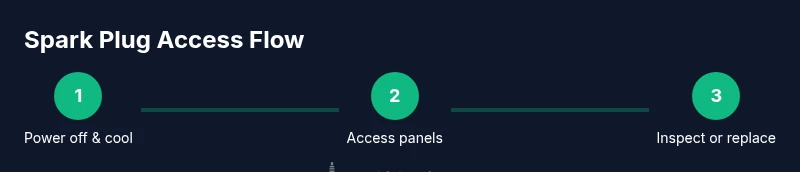
Take the time to memorize a simple access map for your most common scooter models, then keep a small toolkit ready for plug checks. Practice will reduce the time you spend under the hood and improve your diagnosis speed. Remember the key steps: power off, locate, detach the boot, inspect or replace, reattach, test. The purpose of this knowledge is to empower you to take charge of routine maintenance and avoid trips to the shop for minor plug issues. The MultiPlugging team recommends keeping service diagrams handy and updating your knowledge as models evolve.
Tools & Materials
- Spark plug socket (16mm / 5/8 inch)(Match the plug size; use a shallow socket if space is tight)
- Ratchet with short extension(For maneuvering in tight areas)
- Torque wrench or torque stick(Follow scooter manual for torque specs)
- Small brush and clean rag(Clean surfaces and wipe debris)
- Gloves and eye protection(Protect hands and eyes from debris)
- Service manual or model-specific diagram(Verify plug location and torque)
- New spark plug of correct type(Only if replacement is needed)
- Anti-seize compound (optional)(Use only if recommended by manufacturer)
Steps
Estimated time: 25-40 minutes
- 1
Power off and let engine cool
Turn off the scooter and remove the key. Allow the engine to cool for several minutes to avoid burns from hot parts or the exhaust. This creates a safe working environment and reduces the risk of injuring yourself on sharp edges or hot metal.
Tip: Wait at least 10 minutes after running the engine before touching engine components. - 2
Access the spark plug area
Identify which panels or air-filter housing must be removed to expose the cylinder head. Use the manual to locate screws, then carefully detach the needed cover without disturbing other components.
Tip: Take a photo of panel arrangements before removal to simplify reassembly. - 3
Disconnect the spark plug boot
Firmly grip the boot near the plug and twist gently to disconnect from the plug. Do not yank. Keep the boot and wire intact to avoid internal damage.
Tip: Inspect the boot for cracking or wear while it’s disconnected. - 4
Remove the spark plug
Place the socket on the plug head and turn counterclockwise to loosen. Lift the plug straight out to avoid dropping debris into the cylinder.
Tip: Keep the plug away from contaminated surfaces and use a magnet if handy. - 5
Inspect or replace the plug
Check the plug’s condition: fouling, oil deposits, or heavy wear indicate maintenance needs. If replacing, choose the correct heat rating and thread size for your scooter.
Tip: If reusing, check the gap with a gauge and refer to the manual for the specified range. - 6
Reinstall and test
Install a new or inspected plug, torque to spec from the manual, reattach the boot, and reassemble panels. Start the engine to verify smooth idling and acceleration.
Tip: If the engine misfires after reassembly, recheck boot seating and wire routing.
FAQ
Where is the spark plug located on most scooters?
Most scooters place the spark plug on the engine's cylinder head, often under the air-filter housing or a side panel. Access may require removing a cover or air box. Always consult the manual for your model.
Most scooters have the spark plug on the cylinder head, usually under a side panel or the air box. Check your manual to confirm the exact location.
Do I always need to remove panels to access the spark plug?
Not always. Some scooters provide direct access from a side panel or under the seat, while others require removing the air filter housing. Refer to the service diagram for your model.
Not always. Some scooters give easy access from a panel, others need you to remove the air filter housing. Check the diagram for your model.
What tools are essential to locate and inspect the spark plug?
You generally need a spark plug socket, a ratchet with extension, a torque wrench, gloves, and a clean rag. A service manual helps confirm model-specific details.
Essential tools are a spark plug socket, a ratchet with extension, a torque wrench, gloves, and a clean rag. A manual helps with model specifics.
Can I reuse a spark plug after inspection?
If the plug shows normal wear and the gap is within specification, it can be reused. If it’s fouled, oily, or burned, replace it with the correct type for your model.
If it looks normal and the gap is correct, you can reuse it. Otherwise replace it with the right plug for your scooter.
What are common signs of a bad spark plug in a scooter?
Symptoms include hard starting, rough idle, misfires, reduced power, and poor fuel economy. If you notice these, inspect or replace the plug first.
Common signs are hard starting, rough idle, misfires, lower power, and worse fuel economy.
What should I do if I can't locate the plug?
If the plug isn’t visible after panel removal, consult your model's service manual or seek guidance from a trusted mechanic. Some models require specialty access procedures.
If you can’t see it, check the manual or ask a mechanic. Some scooters need special steps to reach the plug.
Watch Video
Main Points
- Identify typical spark plug locations by model type
- Disconnect the boot carefully to avoid wire damage
- Inspect plug condition and gap; replace if worn
- Follow manual torque specs to avoid head damage
- Practice and refer to diagrams for faster future checks