What Spark Plugs for LS3: A Practical Guide
Learn which spark plugs suit the LS3 engine, including iridium vs platinum, gap, heat range, torque, and installation tips for optimal performance.


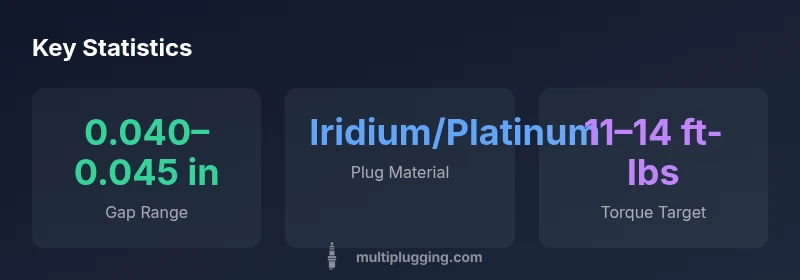
The LS3 typically benefits from iridium or platinum spark plugs with a heat range that matches stock performance. Aim for a 0.040–0.045 inch gap and torque to about 11–14 ft-lbs for reliable ignition and sealing.
Why LS3 engines have particular spark plug needs
The LS3 uses a robust coil-on-plug ignition system and operates under high cylinder pressures, especially at higher RPMs. This setup rewards a plug that maintains consistent ignition across a wide temperature range, from cold starts to hot-track runs. For most stock and mildly modified LS3 builds, iridium or platinum plugs provide longevity and stable performance. When installed with proper gap and torque, these plugs help prevent misfires, reduce fouling, and support smooth idle and strong acceleration. The LS3’s cylinder pressure profile also makes heat-range selection important: too hot can cause glazing and fouling, while too cold can hinder ignition under load. The goal is a balance that matches your fueling and tuning, without forcing the ignition system into extremes.
Spark plug materials: Iridium vs Platinum vs Copper
Copper plugs offer a bright initial spark and low cost, but they wear faster in modern high-compression engines. Iridium plugs provide the longest service life and the most stable ignition across high RPM and aggressive timing, while platinum plugs offer durability with cost efficiency. For LS3 duty cycles that include spirited driving or track use, iridium or platinum is typically the preferred choice. If you mainly drive stock or mildly modified LS3 setups, platinum can be a sensible middle-ground option. In all cases, avoid copper plugs for long-term use in performance LS3 applications where longevity and ignition stability matter most.
Heat range and why it matters on the LS3
Heat range is a critical factor for LS3 engines because it governs how quickly the electrode sheds heat and how hot the tip runs inside the combustion chamber. An LS3 generally benefits from a heat range near stock to ensure consistent combustion and to minimize fouling during light cruising. If the engine is heavily modified, or if you frequently operate under high boost or high load, a one-step colder heat range is common to reduce the risk of pre-ignition and fouling under boost. Conversely, engines running richer mixtures or frequent idle loads may tolerate or benefit from a slightly hotter range to aid in self-cleaning. The key is to match heat range to your fueling, compression, and boost level, rather than chasing exotic options for an otherwise stock setup.
Gap, timing, and ignition strategy for LS3
A good starting point is a gap of 0.040–0.045 inches. This range balances robust ignition and resistance to electrode wear across many LS3 applications. If you run ethanol blends (E85) or forced induction, you may experiment with a slightly smaller gap to reduce misfires at high loads, but always verify ignition performance on a dyno or road test. After installation, recheck plug tips for signs of overheating or fouling and ensure the ignition system remains in peak health. Keep ignition timing aligned with your fuel system and tune to avoid detonation, which can be harmful to the LS3’s long-term durability.
Installation steps and torque sanity checks
Follow a careful, repeatable process to replace LS3 spark plugs:
- Park on a level surface and let the engine cool completely to avoid burns.
- Remove coil packs one by one, keeping track of their order to avoid misplacement.
- Clean the spark plug wells to remove oil, carbon, or debris that could contaminate a new plug.
- Thread the new plug in by hand to avoid cross-threading; once snug, tighten with a torque wrench to the recommended spec (typically around 11–14 ft-lbs for stock LS3 designs, but always verify with your specific plug and head material).
- Reconnect coils and clear any codes if needed. Start the engine and perform a light idle and pull test to ensure smooth operation.
- If you are using anti-seize compound, follow the plug manufacturer’s recommendations; in many modern aluminum heads, anti-seize is not required and can complicate torque accuracy.
Troubleshooting common plug problems on LS3
Common LS3 spark plug issues include misfires, rough idle, poor acceleration, and increased fuel consumption. Troubleshooting steps involve:
- Checking for fouling from oil or fuel and replacing affected plugs.
- Inspecting coil boots for cracks or moisture since LS3 uses coil-on-plug ignition.
- Verifying gap with a feeler gauge and ensuring correct seating torque to prevent leak paths.
- Looking for signs of cross-threading or damaged threads in the cylinder head; re-thread or replace as needed.
- If misfires persist after replacement, review fuel trims and ignition timing in the engine management system to rule out fueling or timing-related causes.
Modifications and when to retune plug choice
Engine mods such as forced induction (turbo or supercharger), nitrous, or E85 fuel can justify dialing in a colder heat range and adjusting gap. In boosted or highly-tuned LS3 builds, a colder plug paired with a modestly smaller gap can help prevent overheating and detonation under boost. Always validate changes with a dynamometer run, and monitor spark plug color after meaningful driving to ensure the ignition is not running too hot or too cold for the setup. For naturally aspirated, stock- or mildly modified LS3s, iridium or platinum with stock heat range remains a reliable default.
LS3 spark plug selection and maintenance guidance
| Factor | Recommended approach | Rationale |
|---|---|---|
| Plug material | Iridium or Platinum | Longevity and reliable ignition |
| Gap (inches) | 0.040–0.045 | Balances ignition strength and wear |
| Heat range | Stock or slightly colder when boosted | Prevents pre-ignition and fouling under load |
| Torque (ft-lbs) | 11–14 | Ensures proper seating and sealing |
| Replacement interval (miles) | 50,000–60,000 | Depends on driving style and fuel |
FAQ
What are the best spark plug types for LS3?
Iridium or platinum plugs are preferred for longevity and reliable ignition on LS3, especially for stock or mildly tuned engines. Copper plugs wear faster and are less ideal for long-term performance.
Iridium or platinum plugs are the recommended choice for LS3 longevity and reliable ignition.
Can I use copper plugs on LS3?
Copper plugs can work, but they wear quickly in high-compression LS3 motors and may require more frequent changes. Iridium or platinum are generally better for durability and consistent ignition.
Copper can work but wears out faster; consider iridium or platinum for longevity.
What gap should I use for LS3 with fuel changes?
A gap of 0.040–0.045 inches is a good starting point. If you switch to E85 or add boost, you might test a slightly smaller gap and monitor ignition quality.
Start with 0.040–0.045 inches and adjust if you switch to E85 or boost.
Do LS3 engines require special torque specs?
Yes. Follow the plug manufacturer's torque spec, but a common range is 11–14 ft-lbs to ensure proper seating without over-tightening.
Always torque to the recommended spec to prevent leaks or thread damage.
Does cold weather affect plug choice on LS3?
Cold weather itself doesn’t change the plug type, but it can influence heat range choice and ignition performance, so verify you’re using an appropriate range and gap.
Weather can affect performance; pick heat range suitable for your climate and tune.
Can mods like supercharging affect spark plug choice?
Yes. Boosted or ethanol-fueled setups often benefit from a colder heat range and possibly a smaller gap to prevent misfires under high load.
Boosted or ethanol-fed LS3s usually need colder plugs and adjusted gaps.
“Spark plug choice for an LS3 is about matching heat range and durability to your tuning and fuel. Iridium or platinum plugs typically offer the best balance of longevity and reliable ignition.”
Main Points
- Choose iridium or platinum plugs for LS3 durability
- Set gap to 0.040–0.045 inches for most LS3 setups
- Torque plugs to 11–14 ft-lbs for proper seating
- Match heat range to your setup, especially with forced induction
- Plan replacement at 50,000–60,000 miles under normal use