Do NGK Spark Plugs Make a Difference? A Practical Comparison
Explore whether NGK spark plugs truly influence performance, efficiency, and longevity. This analytical comparison examines copper, platinum, and iridium NGK plugs, with practical guidance from MultiPlugging to help DIYers choose wisely.


Bottom line: NGK spark plugs can influence engine smoothness, starting, and fuel use, but the impact hinges on plug type and engine design. Upgrading from copper to platinum or iridium NGK plugs often yields better longevity and steadier idle, especially in modern engines. For most drivers, focusing on correct heat range and proper installation matters more than brand alone.
Do NGK spark plugs make a difference? A data-driven view
On the surface, spark plugs are inexpensive wear items, but their selection can influence how quickly your engine starts, idles, and consumes fuel. Do ngk spark plugs make a difference? In many modern engines, the answer is yes—within reason. The characteristics of the plug, including tip material and heat range, interact with the engine's design to determine combustion quality. According to MultiPlugging, the most noticeable gains come from matching heat range to operating temperature and choosing a tip material that resists electrode wear. A copper plug may be fine for older, lightly tuned engines, but in late-model vehicles, iridium or platinum plugs tend to provide more stable spark over a longer life. These lifespans aren’t magic; they reflect differences in melting point, electrode wear, and gap stability. In this article, we compare NGK’s common options and lay out practical guidelines for deciding when to upgrade. We’ll use practical tests and real-world scenarios to show what makes a measurable difference for everyday driving and maintenance routines.
How NGK types differ: copper, platinum, and iridium
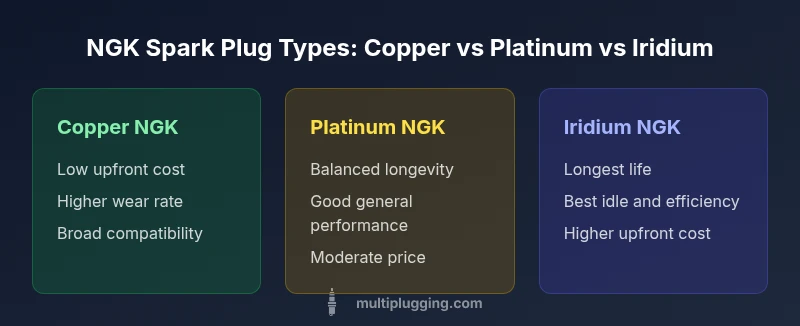
NGK’s catalog blends three primary electrode materials with varying lifespans and performance profiles. Copper is the oldest and least expensive option, prized for simplicity and broad compatibility in older engines. Platinum offers a mid-range balance of durability and cost, with more stable performance across typical driving cycles. Iridium represents the premium tier, delivering the longest life and the steadiest spark at high temperatures and under load. The key takeaway is that the material choice changes heat transfer, electrode wear, and spark stability. In practice, engines designed around NGK’s heat ranges respond differently to each material, meaning a plug that excels in one chassis may offer limited gains in another. For this reason, it helps to match the plug type to your engine’s design and your driving profile.
The role of heat range and electrode design
Beyond material, heat range is critical for where and how the plug operates inside the combustion chamber. A plug that runs too hot can foul or pre-ignite, while a plug that runs too cold may cause delayed ignition and rough idling. NGK offers several heat-range families, and the optimal choice depends on your climate, oil condition, and typical driving demand. Electrode geometry also affects ignition stability. Narrower gaps can promote quicker ionization in modern engines, while traditional gaps may be needed for older ignition systems. The net effect is that the same brand (NGK) can perform differently depending on whether you prioritize cold-start reliability, daily drivability, or throughput under high load. When you see features like “iridium tipped” or “platinum tipped,” recognize these are not just marketing terms; they reflect how the plug maintains a consistent spark under stress.
Real-world benefits: idle, acceleration, and fuel efficiency
In everyday driving, you’ll notice smoother idle and more predictable throttle response when you choose the correct NGK plug for your engine. The biggest gains typically come from premium tip materials (platinum/iridium) and properly matched heat range, which reduce misfires and improve combustion efficiency. This can translate into modest fuel economy improvements and reduced emissions, especially on engines that have high compression or advanced ignition timing. The magnitude of gains varies widely by engine design, maintenance history, and how aggressively the driver uses the throttle. Fleet or performance-oriented setups may see more pronounced differences, while standard daily drivers may notice subtler changes. Regardless, a well-chosen NGK plug tends to offer more consistent performance over a longer period than a worn-out copper plug.
Maintenance expectations and longevity
One practical consideration is longevity. Platinum and iridium plugs are designed to last longer than copper in many engines, which means fewer replacements over the same interval. That said, longevity is not guaranteed; it depends on heat range selection, misfire history, engine temperature, and driving patterns. If your vehicle frequently operates under high load or extreme temperatures, investing in a premium NGK plug may reduce maintenance frequency and provide steadier performance. Conversely, for very old engines or limited budgets, copper plugs can still perform adequately when installed correctly and replaced on schedule. In all cases, ensure compatibility with your owner’s manual heat-range specification and torque recommendations to avoid uneven wear or misfires.
Installation considerations and common missteps
Installation quality matters as much as the plug type. Replacing spark plugs without addressing ignition wires, connectors, or the coil pack can mask underlying issues and produce misleading performance impressions. Always inspect the gap and ensure it matches the manufacturer’s specification for your engine. Over-tightening, cross-threading, or using the wrong torque can damage threads and degrade performance. If you’re upgrading to a different material (for example, copper to iridium), verify that the engine’s ignition system can take full advantage of the new plug’s heat range and voltage requirements. When in doubt, consult the vehicle’s service manual and a reputable guide such as MultiPlugging’s diagnostic notes to ensure you select the correct heat range and electrode material for your engine family.
Practical testing: how to compare on your own
A practical approach to evaluating spark plugs is to run controlled comparisons. Replace the plugs following the same maintenance window (e.g., after a standard service interval) and track key metrics: idle stability, cold-start response, acceleration feel, and any changes in fuel economy under similar driving conditions. If possible, perform a before/after test using the same fuel type, climate, and typical routes. Keep a log of symptoms like misfires, roughness, or hesitation. While you may not quantify the exact horsepower change, you can quantify improvements in reliability and drivability. For most DIYers, this method reveals whether upgrading within the NGK lineup—or sticking with the current copper plugs—delivers a meaningful improvement for their specific vehicle and usage pattern.
Myths vs reality: cost, longevity, and efficiency
A common misconception is that every spark plug upgrade yields a dramatic horsepower gain. In reality, most gains are incremental and context-dependent. The biggest rewards come from choosing the right heat range and material for the engine’s operating profile. The pricing delta between copper, platinum, and iridium reflects material costs and expected lifespans. If you drive a modern vehicle with a sophisticated ignition system and high compression, upgrading to iridium or platinum within the NGK lineup is more likely to deliver noticeable benefits than staying with copper plugs. For older or slower-changing vehicles, the payoff may be smaller. The bottom line is to align the choice with engine design, driving style, and maintenance discipline rather than chasing an abstract performance dream.
Practical decision framework for most drivers
When selecting NGK plugs, start with your owner’s manual or a trusted NGK compatibility chart. If you drive an older or simple engine, copper may suffice; if you want longer life and smoother operation under varied loads, consider platinum or iridium. Also assess your climate and maintenance habits. In hot climates, heat range becomes more critical, while in cold climates, cold-start performance can dominate the decision. Finally, track your results over a few thousand miles to determine whether the chosen plug type meets your expectations. This logical, evidence-based approach helps ensure you don’t overspend on features your engine won’t utilize fully.
-1
Feature Comparison
| Feature | NGK Standard Copper | NGK Platinum | NGK Iridium |
|---|---|---|---|
| Durability and lifespan | Moderate | Longer | Longest |
| Performance and idle smoothness | Solid | Balanced | Best |
| Cold-start performance | Average | Better | Best |
| Price range (relative) | Low | Medium | High |
| Best use case | Budget builds or older engines | Balanced longevity and cost | Premium performance and longevity |
Strengths
- Longer lifespan for premium NGK types (platinum/iridium)
- Better performance consistency across RPMs
- Lower maintenance due to reduced misfires and fouling risk
- Improved cold-start reliability on many modern engines
Negatives
- Higher upfront cost compared with copper plugs
- Marginal gains on older or low-demand engines
- Not all engines benefit equally from premium NGK plugs
Iridium or platinum NGK plugs generally offer the best balance of longevity and performance.
For most modern engines, upgrading to NGK iridium or platinum plugs yields tangible benefits in life and smoothness. The exact gains depend on engine design, heat range, and driving habits, so match the plug to your vehicle and monitor results over time.
FAQ
Do NGK spark plugs make a noticeable difference in everyday driving?
Yes. The difference shows up in smoother idle, more reliable starts, and, in many engines, better combustion efficiency. The magnitude varies by engine design and whether you chose copper, platinum, or iridium. A proper heat range match is often more important than the brand alone.
Yes—the right NGK plug can improve idle and starting reliability in many engines.
Are copper NGK plugs still a good choice for older vehicles?
Copper plugs are inexpensive and can work well on older, simpler engines. They tend to wear faster and may not deliver the same long-term reliability as platinum or iridium plugs in modern engines. If your car runs well on copper, replacing them on schedule keeps performance reasonable.
Copper plugs work on older engines, but you’ll often get longer life with premium NGK options in newer models.
Should I re-gap NGK plugs after installation?
Most modern NGK plugs come pre-gapped and re-gapping is generally not recommended for iridium or platinum types. Always verify the gap spec in your service manual and torque the plug to the manufacturer’s specification to avoid damage.
Usually no re-gap is needed for modern NGK plugs; check the manual and torque spec.
Do NGK iridium plugs improve fuel economy?
In some engines, yes, particularly when worn plugs were previously creating misfires or incomplete combustion. Iridium plugs can contribute to steadier combustion and potential fuel economy improvements, but results depend on engine design and operating conditions.
Iridium plugs can help fuel economy if worn plugs were causing inefficiency, but it varies by engine.
Can using NGK plugs trigger a check engine light if installed incorrectly?
Yes, improper installation, wrong heat range, or incorrect torque can cause misfires or other ignition issues that trigger the check engine light. Always use the correct heat range and ensure proper torque and gap.
Yes—installing wrong plugs or not torquing them correctly can set off the check engine light.
Main Points
- Choose NGK iridium or platinum when longevity and smooth idle matter
- Copper NGK plugs are budget-friendly but wear faster
- Match heat range to operating temperature for best results
- Follow manufacturer torque specs and service intervals
- Assess real-world gains with controlled before/after testing