What Happens When Spark Plugs Go Out: A Troubleshooting Guide
Urgent, step-by-step troubleshooting to explain what happens when spark plugs go out, identify symptoms, and safely replace/repair to restore engine performance.


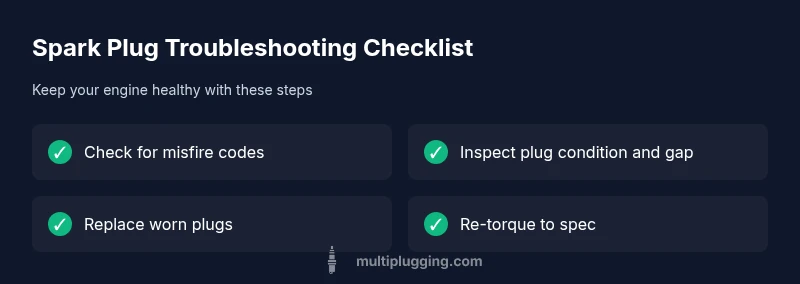
Most likely, worn or fouled spark plugs cause misfire, rough idle, and reduced power. Quick fix: inspect and replace worn plugs, verify the correct gap, and check ignition wires and coils. Re-torque plugs to spec and use anti-seize if recommended. If symptoms persist after replacement, seek professional help.
What happens when spark plugs go out
When a spark plug fails or fouls, the air-fuel mixture in that cylinder may not ignite reliably. The result is a misfire, which disrupts engine timing and can cause rough idle, reduced power, and higher emissions. Over time, repeated misfires stress the catalytic converter and O2 sensors. According to MultiPlugging, spark plug wear accelerates under heavy load and short trips, where the plug doesn't reach the heat range required to self-clean. In a modern gasoline engine, advanced ignition control can compensate for a single bad plug, but the rest of the cylinders must work harder, causing uneven engine behavior and potential downstream damage. What happens when spark plugs go out is often a cascade effect: one bad plug can affect the whole system, reduces efficiency, and can trigger stored codes. If you're seeing a misfire light or rough running, start with the plugs as a likely culprit and verify ignition wires, coils, and sealing gaskets.
Common symptoms you should not ignore
- Misfire codes and rough idle: The engine may stumble on one cylinder, causing a noticeable shake at idle.
- Sluggish acceleration and hesitation: Power drops when you press the accelerator.
- Increased fuel consumption: Incomplete combustion wastes fuel.
- Rough running and vibrations: The engine may vibrate more than normal.
- Hard starts in cold weather: A tired plug often struggles to ignite when the engine is cold.
- Visual signs of wear or fouling: Carbon buildup, oil fouling, or worn electrodes are common indicators.
These symptoms often point to spark plugs as the root cause, but other ignition or fuel issues can mimic them. Use a systematic approach to confirm before replacing parts.
Immediate actions you can take before replacing plugs
- Safety first: park on a level surface, engine cool, and disconnect the negative battery terminal to prevent shorts.
- Locate spark plugs and inspect the visible hoses and wires for damage.
- Check each plug’s condition: color, gap, electrode wear, and presence of oil or fuel fouling.
- If a plug looks fouled or damaged, do not reuse it; note the cylinder for later replacement.
- Check ignition wires and coils for cracks or arcing; replace faulty components if found.
- After inspection, reset any check-engine light if appropriate and plan for replacement with correct heat range and gap.
If you’re uncertain, consult a professional—continuing to drive with a suspected misfire can damage the catalytic converter and other systems.
Diagnostic flow overview
This section provides a quick map from symptom to solution, helping you prioritize fixes and avoid unnecessary parts replacement. Start with the easiest checks (visual inspection and basic torque) and move toward targeted tests (compression, spark timing, or ignition coil testing) if the problem remains after plugs are replaced. The flow emphasizes confirming the plug condition first, then evaluating wiring and ignition components, followed by fuel-system checks if needed. Always document which cylinder shows symptoms to narrow down root causes quickly. MultiPlugging's approach centers on safety, stepwise testing, and using manufacturer-recommended parts to prevent long-term damage.
Step-by-step: how to inspect and replace spark plugs (detailed guide)
Safety tips and common mistakes
- Safety gear: eye protection, gloves, and a clean workspace reduce risk during plug replacement.
- Disconnect battery before service to avoid shorts and accidental starts.
- Do not force plugs or wires; if a plug won’t loosen, double-check for correct tool size and threads.
- Keep track of plug type and heat range; using the wrong kind can cause pre-ignition or fouling.
- Re-gap only to manufacturer specs; over-tightening can strip threads or crack the head.
- After replacement, run the engine to confirm the fix and monitor for codes.
- Avoid driving with a known misfire; persistent misfires can damage the catalytic converter and exhaust sensors.
Prevention and maintenance to extend plug life
Regular maintenance extends spark plug life and reduces the chance of future misfires. Use OEM-recommended plug types and heat ranges for your engine, perform quick gaps checks during maintenance, and replace worn ignition components together with plugs. Address root causes like oil leaks, faulty valve seals, or dirty fuel injectors promptly to prevent early plug fouling. Keeping a clean air filter and using high-quality fuel also helps maintain consistent combustion and smoother starts.
Steps
Estimated time: 60-90 minutes
- 1
Prepare and safety checks
Park on a flat surface, engine cool, and disconnect the negative battery. Gather tools and spare plugs. Label each spark plug wire to cylinder as you work.
Tip: Always wear eye protection and work in a well-ventilated area. - 2
Identify which cylinders to service
If you have a multi-spark system, identify which cylinders show symptoms (by misfire code) and start there. Mark corresponding coil/wire positions for reference.
Tip: Take a quick photo of the engine bay before removing parts. - 3
Remove old plugs
Carefully detach plug wires or coils one at a time. Use a properly sized socket and a swivel handle to minimize torque impact on threads.
Tip: Do not yank wires; twisting slightly helps avoid damage. - 4
Inspect plug condition and gap
Look for oil fouling, carbon buildup, or worn electrodes. Measure the gap with a feeler gauge and compare to manufacturer spec.
Tip: If you’re unsure about gap, replace with plugs that are within spec. - 5
Install new plugs
Tighten plugs by hand, then torque to spec with a torque wrench. Reconnect wires or coils, ensuring a snug fit without cross-threading.
Tip: Apply a small amount of anti-seize if recommended for your plug type. - 6
Test and verify
Reconnect the battery, start the engine, and run it through idle and a short drive. Check for smooth idle, no misfire codes, and improved power.
Tip: If misfire persists, re-check the wiring and consider professional testing.
Diagnosis: Engine misfires, rough idle, or start-up hesitation
Possible Causes
- highWorn or fouled spark plugs
- mediumIgnition coil or wire issues
- lowFuel delivery problems (injectors, fuel pump, or clogged filter)
Fixes
- easyReplace spark plugs with correct heat range and gap
- easyTest and replace faulty ignition coils/wires
- mediumInspect fuel system and clean/replace affected components
FAQ
What are the signs that spark plugs are worn out?
Worn plugs often cause misfires, rough idle, hesitation on acceleration, and higher fuel consumption. You may see a fouled plug with oil or heavy carbon buildup.
Worn spark plugs typically cause misfires and rough idle, leading to poor fuel economy and weak acceleration.
Can bad spark plugs damage other engine components?
Yes. Misfires can overwork the catalytic converter and oxygen sensors, potentially leading to expensive repairs if left unchecked.
Yes, a persistent misfire can injure the catalytic converter and O2 sensors over time.
How often should spark plugs be replaced?
Replacement intervals depend on plug type and engine design. Copper plugs wear faster than iridium or platinum; always follow the vehicle’s manual for guidance.
Intervals depend on plug type and engine—check your manual for recommended replacement timing.
Is it safe to drive a car with a misfire?
Not ideal. A misfire can damage the catalytic converter and reduce engine performance. If you notice symptoms, limit driving and seek diagnosis.
Driving with a misfire isn't safe for your car; get it checked soon.
DIY or professional—what should I choose?
If you have basic tools and mechanical experience, you can replace plugs yourself. Complex ignition or timing issues may require a mechanic.
If you’re comfortable with basic car maintenance, you can do it yourself; otherwise, a pro can save time and prevent mistakes.
What if I see oil on a spark plug?
Oil on a plug suggests valve cover gasket or piston ring issues. Address the root cause before reusing plugs to avoid repeated fouling.
Oil on a plug usually means another engine issue—fix that first, then replace the plug.
Watch Video
Main Points
- Inspect plugs first when symptoms appear
- Use correct heat range and gap for replacements
- Don't ignore misfires; they can damage the exhaust system
- Torque plugs to spec to prevent thread damage
- Test the engine after replacement to confirm fix