Good vs Bad Spark Plug for Lawn Mower: A Practical Guide
Compare good vs bad spark plugs for lawn mowers, learn how to diagnose, replace, and maintain plugs to keep engines starting reliably and running cleanly. Practical tips for DIY homeowners in 2026.


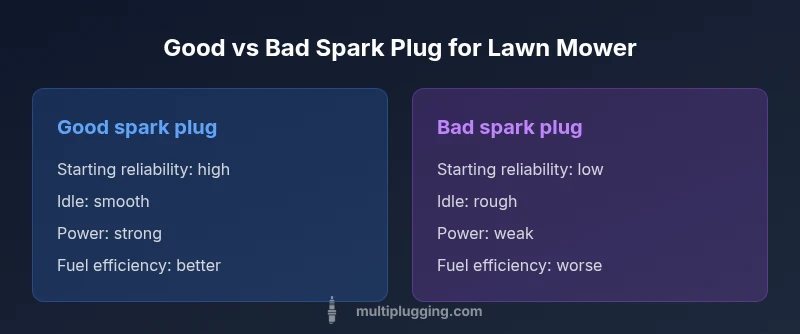
Short answer: when evaluating good vs bad spark plug lawn mower options, a high quality plug consistently outperforms a worn or mismatched one. A good plug promotes reliable starting, steady idle, and efficient fuel burn, while a bad plug causes misfires and reduced power. This article walks through the differences and how to pick, replace, and maintain the right plug.
The Role of the Spark Plug in a Lawn Mower
The spark plug is a tiny but essential part of the ignition system in most small gasoline engines. It sits in the cylinder head and fires a spark at the precise moment to ignite the air fuel mixture. That spark converts electrical energy from the ignition coil into a heat and flame that starts the combustion event. A well maintained plug provides a consistent heat range, clean spark, and reliable ignition across a wide range of operating conditions. In practical terms this means easier starting, smoother idle, steadier power delivery, and lower engine stress over time. The condition of the plug is a strong predictor of mower performance, and it is a frequent source of misfires or starting problems when neglected. According to MultiPlugging, the health of the spark plug correlates with how well the engine breathes and burns fuel. Even when everything else is running well, a worn or incorrect plug can hold back power and cause the carburetor to run lean or rich. Understanding what a plug does sets the stage for good maintenance habits.
What Makes a Good Spark Plug for a Lawn Mower
Good spark plugs share a few core characteristics. They match the engine manufacturer specifications for heat range and thread size, provide a clean electrode surface, and maintain a stable gap once installed. Electrode material matters too; copper plugs are cheap and heat up quickly, while platinum and iridium variants resist wear and fouling longer in some engines. A good plug also seals well in the combustion chamber and works with the boot and coil without causing extra resistance. The best choice depends on the mower model, how it is used, and the fuel quality. This section helps you identify a plug that really suits your engine and explains common traps that cause premature wear. Good decision making here reduces misfires and helps keep emissions in check, a practical benefit for any DIYer and the environment.
Signs of a Bad Spark Plug on a Lawn Mower
Common symptoms point to a failing plug. Hard starting, especially in cool weather, often signals a worn or fouled electrode. Misfires can occur under load, leading to rough idle and reduced mowing speed. You may notice a drop in fuel efficiency and an exhaust smell or black sooty deposits on the plug tip. Oil fouling or heavy carbon buildup also indicates problems that may extend beyond the plug itself. In many cases replacing the plug restores performance quickly and affordably. If you detect these red flags, inspect the plug and also check air filters and the carburetor, since a compromised air system can mimic plug faults.
How Spark Plugs Affect Starting, Idling, and Power
Starting reliability hinges on a clean and properly timed spark. A good plug delivers a crisp ignition that helps the engine fire promptly, reducing cranking effort. If starting is sluggish or the engine fires intermittently, the plug may be worn or fouled. Idling quality depends on a clean burn; a fouled plug can cause rumbling, surges, or rough idle. When you put the mower under load, power delivery matters; a bad plug often results in weak acceleration and slower response. In sum, the spark plug is a small but pivotal component that influences combustion efficiency, throttle response, and overall mowing performance. For a DIY reader, keeping the plug in good condition improves reliability and fuel economy over the season.
Diagnosing Spark Plug Issues Without Tools
Visual inspection is the first step. Remove the boot to inspect the porcelain for cracks, check the wear on the ground electrode, and look for deposits. A clean, light tan or gray color usually signals healthy combustion, while black carbon indicates rich fuel or poor air flow. Wet or oily plugs point to oil intrusion or ring wear, which may require more than a replacement. If the plug is heavily fouled or damaged, replacement is often the best course. Compare the current plug to the one specified by the engine maker and note any deviations in heat range or thread size. While a basic gap gauge helps, a trained eye can often assess condition after several uses and note consistent patterns.
Choosing the Right Spark Plug Type: Copper, Platinum, Iridium
Copper plugs are common and affordable and work well in many older or simpler mower designs. They heat up quickly and are easy to replace. Platinum and iridium plugs resist wear longer and can extend service intervals in engines that tolerate them, but they cost more upfront. The decision depends on engine design, usage, and whether frequent cold starts are part of the routine. In some cases a high performance plug does not improve power on a small engine if the ignition system cannot deliver a strong spark. The right plug aligns with the mower manual and the engine maker specifications, not the most expensive option. For DIY readers, verify compatibility and expect different lifespans and performance profiles.
The Gap and Heat Range: Why It Matters
Gap is the distance between the center and ground electrode, while heat range describes how quickly the plug dissipates heat. A plug with the wrong gap reduces spark intensity and can cause misfires or incomplete combustion. The heat range affects fouling resistance and the tendency to run too hot or too cold. An engine that runs well with a new plug but fouls after a few hours usually benefits from a different heat range. Always start with the factory recommended gap or consult the mower manual when adjusting. If you must modify gap, do so with care and test run the engine to confirm smooth operation.
Replacement Practical Guide: Steps and Tips
Before starting, gather the right tools and a spare plug that matches the engine. Disconnect the spark plug boot and carefully remove the old plug using a proper wrench. Inspect the old plug, compare it to the new one, and replace if worn or fouled. Thread the new plug by hand to avoid cross threading, then snug with a torque wrench or by hand until snug plus a small additional turn, following the manual. Refit the boot and test the engine. In addition to replacement, keep notes on how the engine starts and runs after the change to refine future maintenance. If you are unsure about gap or torque, consult the mower maker guidelines or a local shop. This approach minimizes misfires and keeps maintenance costs predictable.
Maintenance and Cleaning Practices to Extend Life
Schedule routine checks during the mowing season, including inspecting the spark plug for deposits and wear between cleanings. Clean the plug tip with a soft brush if carbon builds up, and avoid aggressive cleaners that can damage the insulator. Use compressed air to clear dust from the sealing surface and avoid overtightening during reinstallation. Keep air filters and fuel quality high, as a clean intake system reduces fouling risk. By treating the spark plug as part of a broader ignition and fuel system maintenance plan, you will achieve more reliable starts and longer engine life. MultiPlugging emphasizes that routine checkups improve longevity and reduce the chance of sudden engine failure.
Myths vs Reality: Common Misconceptions
One common myth is that a premium brand plug automatically delivers more power on every small engine. In many lawn mowers the ignition system or carburetor limits performance more than the plug, so the benefit is marginal. Another misconception is that you should always use the hottest plug available for maximum performance. In practice the engine is designed for a specific heat range to prevent fouling or overheating. Third, some owners believe cleaning a fouled plug is a durable fix. Cleaning can buy time but does not restore the aging electrode or inner ceramic structure. Understanding the real limitations helps DIYers avoid wasted effort and expenses.
Real-World Scenarios: When to Replace Immediately
Replace the plug immediately if you notice persistent hard starting, persistent misfires under load, or a sudden drop in cutting performance. Warnings from the exhaust or misfire codes can indicate spark plug failure or ignition system issues. If a plug shows signs of cracking or heavy deposits that do not clean off, replacement is warranted. Another signal is oil fouling that suggests engine leakage or ring wear. In all these cases addressing the plug issue quickly reduces risk to the engine and prevents more costly repairs later. A systematic approach to replacement saves time and keeps your mower reliable.
Quick Notes on Compatibility with Brands and Engines
Small engines in lawn mowers share many common plug types, but compatibility matters. Always verify the spark plug type with the engine maker and the mower model, particularly with brands such as Briggs Stratton or Tecumseh. Differences in thread reach, boot length, and heat range can affect fit and performance. If you are unsure, consult the operator manual or contact a local dealer or service center. Treat spark plug selection as part of a broader maintenance plan to preserve engine life and performance over multiple seasons.
Comparison
| Feature | Good spark plug | Bad spark plug |
|---|---|---|
| Starting reliability | High consistency and fast ignition | Lower reliability with signs of hesitation |
| Idle smoothness | Smooth idle and steady flame front | Rough idle with uneven combustion |
| Power and performance | Strong acceleration and consistent response | Weak response and bogging under load |
| Fuel efficiency | Better burn efficiency and lower waste | Increased fuel consumption due to inefficient burn |
| Emissions | Lower emissions due to clean burn | Higher emissions from incomplete combustion |
| Lifespan and durability | Longer life with proper gap and heat range | Shorter life due to fouling or wear |
| Maintenance needs | Lower maintenance burden with proper use | Higher maintenance if fouling or corrosion occurs |
Strengths
- Improved reliability and easier starting
- Lower long term risk of engine damage
- Better fuel economy and performance
- Simple DIY replacement and maintenance
Negatives
- Higher upfront cost for premium plugs
- Requires correct gap and heat range selection
- Misidentification may lead to improper plug choice
- Some engines tolerate only specific brands
Good spark plug wins for reliability; bad spark plug loses performance
Choose a plug that matches your engine spec and operating conditions. Prioritize correct heat range and proper gap. Regular inspection and timely replacement protect engine life and maintain mowing performance.
FAQ
What is the difference between a good and bad spark plug for a lawn mower?
A good spark plug provides reliable ignition, a clean burn, and longer life. A bad plug fouls, misfires, and reduces power.
A good plug ignites reliably and burns cleanly; a bad one fouls and misfires, hurting performance.
How often should I replace spark plugs on a typical lawn mower?
Follow the engine maker guidance and adjust based on mowing frequency and fuel quality. If you notice starting issues or performance drops, replace sooner.
Check the manual and replace when you see performance issues or inspection signals.
Can a lawn mower run with a faulty spark plug?
It may start, but performance will be inconsistent and inefficient. Prolonged use can risk further engine damage.
It might run, but not well. Replace to avoid damage and poor mowing results.
What tools do I need to replace a lawn mower spark plug?
A basic spark plug wrench or socket, a torque reference, and a gap tool or feeler gauge. Have a replacement plug ready that matches your engine spec.
A plug wrench and the correct replacement plug are enough for a simple swap.
Does brand matter for spark plugs in lawn mowers?
Brand matters mainly for compatibility with the engine and gap retention. Choose a plug that matches the engine maker spec rather than the loudest marketing claim.
Yes, pick the one that matches your engine specs rather than the brand name alone.
What signs indicate carbon or oil fouling on a spark plug?
Carbon fouling appears as black soot, oil fouling as oily deposits. Each type signals different underlying issues that may require cleaning or engine service.
Black soot means rich fuel or air flow issues; oil on the plug points to lubrication or ring problems.
Main Points
- Check your mower manual for the recommended plug type
- Choose plugs that match heat range and thread size
- Diagnose symptoms early to avoid engine damage
- Replace plugs regularly as part of maintenance
- Keep a spare plug and basic tools for DIY replacements