Can You Put Oil in Spark Plug Hole? A DIY Guide to Oil Fouling Prevention and Fixes
Learn why pouring oil into a spark plug hole is a bad idea, how to diagnose oil fouling, and the correct remedies to restore engine health. Practical steps for DIYers by MultiPlugging.


No. Do not pour oil into a spark plug hole. Oil in that hole usually signals worn piston rings, leaky valve seals, or PCV faults, and adding oil won’t fix the issue and can foul plugs or cause hydro-lock in extreme cases. Instead, inspect the plug, clean or replace parts as needed, and follow manufacturer diagnostic steps. According to MultiPlugging, proper diagnosis beats quick fixes.
Can You Put Oil in Spark Plug Hole? Understanding the Question
When a mechanic or a DIYer asks, can you put oil in spark plug hole, they are usually testing a quick fix mindset. The short answer is no—oil should not be introduced into the plug well as a routine remedy. Oil is designed to lubricate engine internals, not to boost the spark plug’s performance. Oil can mask underlying issues, mislead diagnostics, and create new problems such as fouled plugs or misfires. According to MultiPlugging, the most reliable path is to diagnose the root cause of any oil presence and address it directly, rather than attempting a temporary lubricant substitute. If you’re troubleshooting, start with a clean plug and a clean hole, then inspect components that control oil management in the cylinder.
What Oil in the Spark Plug Hole Indicates and Why It Matters
Oil found in the spark plug hole is rarely a sign that a simple oiling fix is needed. More commonly, it points to a problem that should be treated as a symptom rather than a cure. Potential indicators include worn piston rings, degraded valve seals, or a malfunctioning PCV (positive crankcase ventilation) system. Each culprit has a distinct diagnostic path, and misinterpreting the oil as a temporary fix can let more serious wear go unchecked. Oil in the plug hole also raises the risk of oil burning and foul odors, which can lead to reduced performance, higher emissions, and potential damage to catalytic converters. MultiPlugging’s analysis shows that attention to root causes yields durable repairs, not just temporary relief.
Diagnosing Oil Fouling: Evidence, Tests, and What to Expect
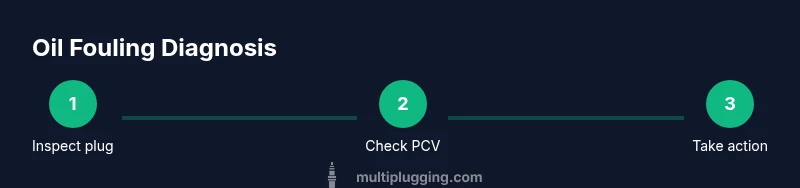
Begin with a visual inspection of the affected spark plug. Oil on the electrode and insulator is a classic sign of fouling. Next, compare the plug to a clean reference to gauge the severity of the coating. A compression test can reveal ring wear or valve seal issues that aren’t obvious from the plug itself. If PCV hoses or gaskets are clogged or leaking, oil can be drawn into the combustion chamber and accumulate around the plug. Record oil consumption between oil changes, and note any blue smoke on startup or acceleration. Use these clues to map a probable cause, rather than applying oil as a patch. MultiPlugging’s framework emphasizes systematic diagnostics—check one system at a time and confirm findings with measurements.
Correct Fixes: What to Do Instead of Adding Oil
Once you’ve identified the root cause, apply the appropriate repair rather than pouring oil into the plug hole. Replacing worn piston rings or valve seals requires disassembly and a careful reassembly with proper torque and clearances. If the PCV system is the source, clean or replace the PCV valve and associated hoses, and ensure the crankcase is venting correctly. For valve cover or oil leaks, replace gaskets and seals and clean any oil residue from the spark plug wells. In many cases, simply cleaning the plug and caps is not enough; replace the plug if the ceramic center has oil saturation that can’t be cleaned. Always use the correct plug type and ensure the gap is set to factory specifications before reinstalling. Following this approach reduces the chance of repeated fouling and protects downstream components.
Preventing Oil Fouling: Maintenance Habits that Protect Spark Plugs
Preventive maintenance is your best defense against oil fouling. Schedule regular PCV system checks, especially on engines with higher mileage, and replace PCV valves every time you replace the spark plugs if the service interval calls for it. Keep crankcase ventilation clean by using fresh oil and air filters, and monitor oil level and consumption between services. When adding oil, use the manufacturer’s recommended grade and viscosity, and avoid overfilling. A well-maintained engine minimizes the risk of oil intrusion into spark plug wells and preserves ignition efficiency. MultiPlugging’s experience with common DIY repairs shows that routine valve cover gasket inspections and timely gasket replacements dramatically reduce fouling incidents.
When to Seek Professional Help: Signs that You Shouldn’t DIY Further
If the plug exhibits persistent oil fouling after a basic valve cover or PCV service, or if you notice blue smoke, misfires across multiple cylinders, or declining compression, seek professional diagnostics. A trained technician can perform a leak-down test, inspect internal seals, and determine whether piston rings or valve guides require replacement. Remember that repeated oil fouling can be a symptom of broader engine wear, which may necessitate engine overhaul or replacement in extreme cases. The MultiPlugging team recommends erring on the side of thorough inspection when oil appears in spark plug holes rather than pursuing quick, temporary fixes.
Tools & Materials
- Spark plug socket wrench(Deep socket compatible with your plug size (e.g., 5/8" or 13/16") and a magnetic bit for the plug)
- New spark plugs (same type as OEM)(Check gap and heat range per manual; replace all applicable cylinders)
- Torque wrench(Use manufacturer torque specs to prevent over/under-tightening)
- Anti-seize compound (optional)(Light coat on threads to ease future removal, not on the electrode)
- Rags and solvent(Clean, wipe, and prevent oil drips; have disposal ready)
- Gloves and safety glasses(Protect hands and eyes from sharp objects and chemicals)
- Diagnosis tools (optional)(Compression tester or leak-down tester for advanced checks)
Steps
Estimated time: 60-90 minutes
- 1
Disconnect the battery’s negative terminal
For electrical safety, start by disconnecting the battery’s negative terminal to prevent any accidental short circuits while you work near ignition components. This single action reduces the risk of shocks or sparks when removing spark plug wires. If you have a remote starter or electronic ignition, power down the system as an additional precaution.
Tip: Label the cable and set it aside where it cannot touch ground. - 2
Isolate the spark plug wire/coil pack
Carefully detach the spark plug wire or coil pack from the spark plug. Avoid pulling on the wire itself—grip the boot or connector, not the wire, to prevent internal damage. This step prevents accidental misfires or further contamination while you inspect the plug.
Tip: Use a magnet or rag to hold the plug boot if it’s tight. - 3
Remove the spark plug
Use the spark plug socket to loosen and remove the plug. Keep it clean and set it on a rag to inspect. A fouled plug can reveal heavy oil presence and guide your next diagnostic moves.
Tip: Turn counterclockwise with steady pressure to avoid snapping the ceramic insulator. - 4
Inspect the plug for oil fouling
Examine the electrode and insulator for oil posts, wetness or shiny coating. Oil on the plug suggests oil intrusion into the cylinder and may indicate ring or seal wear. Compare with a clean plug from another cylinder if possible to gauge severity.
Tip: Document the appearance with a quick photo for reference during repairs. - 5
Perform a basic diagnostic check (if available)
If you have access to a compression tester or leak-down tool, perform a basic test to assess ring seal and valve seating. Oil in the plug hole often accompanies reduced compression or abnormal readings. Use the results to decide between gasket/seal replacement or more extensive engine work.
Tip: Only perform this if you’re comfortable; otherwise, consult a professional. - 6
Address the root cause (PCV/gasket/rings)
Address whichever root cause is identified—PCV valve replacement, valve cover gasket, or piston ring/valve seal service. Do not reassemble until the source of oil intrusion is resolved. Reuse or replace the spark plug if it shows severe fouling or oil saturation.
Tip: Follow torque specs and check the plug gap after reinstalling. - 7
Reinstall and test
Reinstall the spark plug with the correct torque and reattach the wire or coil pack. Recheck oil level, start the engine, and monitor for signs of fouling or misfires. If symptoms persist, re-evaluate the root cause or seek professional help.
Tip: Take a short test drive to confirm steady idle and smooth acceleration.
FAQ
Can oil in the spark plug hole cause engine damage?
Yes. Oil fouling can lead to misfires, reduced compression, and overall engine wear if left unaddressed. Persistent oil intrusion can harm catalytic converters and exhaust aftertreatment. It’s best to diagnose and fix the root cause rather than ignore it.
Oil fouling can cause misfires and long-term engine wear, so diagnose the root cause instead of ignoring it.
What are common causes of oil found in spark plug wells?
Common causes include worn piston rings, degraded valve seals, PCV system faults, and oil control issues, which allow oil to reach the plug wells. Sometimes oil leaks from a valve cover gasket also contributes to the issue.
Worn rings, bad valve seals, and PCV faults are typical culprits when oil appears near the spark plug.
Is it safe to drive the car if I see oil on a spark plug?
If the plug is oil-fouled, it can cause misfires and rough running. Driving may be possible short distances, but it’s not recommended as it risks further damage and increased emissions. Get a proper diagnosis before long trips.
Avoid long drives until you’ve diagnosed the root cause of the oil fouling.
Does oil in spark plug wells apply to two-stroke engines differently?
Two-stroke engines mix oil with fuel for lubrication, which is normal, but for most four-stroke engines oil in the plug well is abnormal and a sign of a problem. Always follow the engine-specific guidance.
Two-stroke engines have different oil behavior; for most four-strokes, oil in the plug hole is not normal.
What is the first step I should take if I notice oil on a plug?
First, stop driving and safely inspect the affected cylinder: remove the plug, check its condition, and look for signs of PCV issues or gasket leaks. Then proceed with appropriate tests or professional help.
Pull the plug, inspect, and check for PCV or gasket problems before driving again.
Should I use anti-seize on spark plug threads after removing an oily plug?
Anti-seize compound on plug threads can help future removal, but apply a light coat only on the threads, not on the electrode or gasket. Follow the vehicle’s manual for specific guidance.
Lightly coat the threads with anti-seize if recommended, but avoid the electrode area.
Watch Video
Main Points
- Do not pour oil into spark plug holes as a fix.
- Oil fouling usually signals root-system issues like worn rings or seals.
- Diagnose with visual inspection, compression tests, and system checks before repairing.
- Address root causes (PCV, gaskets, rings) for a durable fix.