Can Spark Plug Cause Overheating? Troubleshooting Guide
Learn how spark plugs can contribute to engine overheating and follow a practical, step-by-step troubleshooting approach to diagnose, inspect, and fix plug-related issues safely.


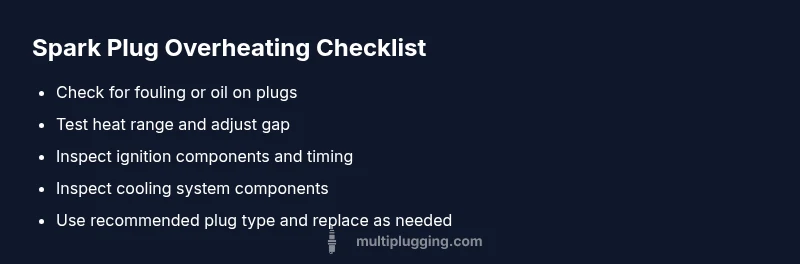
The spark plug can contribute to overheating if it is fouled, gapped incorrectly, or the heat range is wrong. Inspect the plug for wear, replace as needed, and verify the correct heat range and gap. Then rule out cooling-system problems and ignition timing as part of a systematic diagnostic flow.
The Link Between Spark Plugs and Overheating
Engine overheating is rarely caused by a single issue, but a faulty spark plug can push the engine temperature up by increasing combustion temperatures and causing misfires. According to MultiPlugging, a fouled, worn, or incorrectly gapped plug can create hot spots and uneven burning, which places extra stress on the cooling system. The MultiPlugging team found that in many older engines, plug-related misfires are an underappreciated driver of elevated temps, especially under load or during idle when cooling capacity is critical. In practical terms, start here when you notice rising temps: inspect the spark plug condition, verify heat range and gap, and confirm the rest of the ignition system is functioning correctly. If you’re unsure, perform a quick check and move on to the diagnostic flow described below.
How Spark Plugs Influence Combustion Temperature
Spark plugs influence engine temperature through ignition timing, heat range, and electrode design. A plug that runs too hot can promote pre-ignition or burning temperatures that spike under load, while a plug that runs too cold can foul and misfire, also raising exhaust gas temperatures. Incomplete combustion leads to higher cylinder head temps and extra fuel to burn, stressing the cooling system. Worn electrodes reduce spark energy, increasing misfire likelihood under load and raising combustion chamber temperatures. Using the correct plug type for your engine, including heat range and gap, helps maintain stable ignition and efficient combustion, which keeps operating temperatures within spec. Regular inspection is a wise habit, especially after fuel or ignition changes.
Common Overheat Scenarios Linked to Plug Issues
- Fouled spark plug causing misfire and lean burn under heavy load
- Wrong heat range plug that runs either too hot or too cold for the engine
- Incorrect electrode gap leading to weak spark and partial combustion
- Worn or damaged electrode reducing spark energy
- Combined ignition faults plus poor cooling can amplify temps under acceleration
Visual Inspection and Basic Testing
A hands-on inspection is your first line of defense. Remove each plug to check for carbon buildup, oil fouling, or porcelain cracks. Measure the gap with a reputable gap tool and compare it to the manufacturer’s specification. Look for melted or eroded electrodes, which indicate overheating. If you see minor fouling and a strong base condition, cleaning or replacement may be enough; for heavy fouling or damaged parts, replacement is recommended. Always torque plugs to spec when reinstalling.
The Right Plug: Heat Range, Type, and Gap
Choosing the correct heat range is critical for controlling combustion temperatures. A plug that is too hot can lead to pre-ignition and overheating, while a plug that is too cold may foul frequently and run inefficiently. Consider the engine type, operating conditions, and fuel. Copper plugs heat up quickly but wear faster, while iridium or platinum plugs offer longevity with slightly different heat characteristics. Ensure the gap matches the service manual or manufacturer recommendations; an incorrect gap can alter the air-fuel mixture and heat behavior.
Step-By-Step Diagnostic Plan for Plug-Related Overheating
This section expands on a practical workflow. Start with the simplest checks and progressively move to deeper tests. Maintain a clean workspace, label spark plug wires, and wear eye protection. Track symptoms as you go to avoid chasing dead ends.
Safety, Maintenance, and Prevention
Always disconnect the battery before working on electrical components. Use gloves and eye protection, and avoid contact with hot engine parts. After replacing plugs, clear any oil leaks or fuel smells that may have contaminated the greases. Regular maintenance—correct heat range, proper gap, and periodic inspection—helps prevent overheating and prolongs engine life.
When to Seek Professional Help and Next Steps
If overheating persists after plug-related fixes, or if you notice coolant leaks, persistent smoking, or a rising temperature gauge, consult a qualified technician. Electrical diagnostics (timing, coil packs, and wiring) may require specialized equipment. In some cases, a cooling-system service, thermostat replacement, or head gasket check may be warranted to restore safe operating temperatures.
Steps
Estimated time: 45-75 minutes
- 1
Inspect for obvious signs of wear
Power off the engine and disconnect the battery. Remove each plug and visually inspect for fouling, oil buildup, or cracks in the ceramic. Note any signs of overheating like melted electrodes and correlate with symptoms.
Tip: Label each plug and wire to avoid mix-ups during reassembly. - 2
Measure and adjust spark plug gap
Use a precise gap gauge to compare each plug's gap to the manufacturer’s specification. If out of spec, adjust carefully or replace the plug. Re-gap can affect ignition timing and combustion temperature.
Tip: Do not bend the terminal spring; handle the plug carefully to avoid damage. - 3
Assess heat range and type
Confirm the plug type and heat range are appropriate for your engine and region. If you recently changed fuel or engine tuning, reconsider the plug selection. Replace with recommended type if uncertain.
Tip: When in doubt, consult the service manual or a trusted parts catalog. - 4
Reinstall with correct torque
Install plugs and tighten to the manufacturer torque specification to avoid leaks or electrode damage. Reconnect wires and keep routing neat to prevent arcing.
Tip: Use a torque wrench and anti-seize compound if recommended by the manufacturer. - 5
Test ignition and cooling context
Start engine and monitor for steady idle and normal temperature. If misfires persist or temps rise, test ignition timing and check cooling-path conditions (thermostat, radiator, fans).
Tip: Take a short test drive with data logging to capture transient issues. - 6
Evaluate after-run conditions
After a drive, recheck plugs for signs of new fouling or heat damage. A fresh check confirms whether the fix resolved overheating or if further cooling-system work is needed.
Tip: Document observations for your next service appointment.
Diagnosis: Engine overheating with possible spark plug involvement
Possible Causes
- highFouled or oil-fouled spark plug causing misfire
- highWrong heat range or incorrect plug type
- mediumIncorrect spark plug gap causing improper combustion
- mediumIgnition timing issues or worn ignition components
- lowCooling system faults (thermostat, water pump) worsening temps
Fixes
- easyInspect each plug for fouling or damage and replace if necessary; ensure correct heat range and restore proper gap
- easyVerify heat range matches engine spec and recalibrate if needed; replace plugs with recommended type
- easySet the correct electrode gap using a certified feeler gauge before reinstalling
- mediumCheck ignition timing and related components (coils, wires) and adjust/repair as needed
- mediumTest cooling system integrity if temps stay high after plug fixes; inspect thermostat and radiator flow
FAQ
Can a bad spark plug really cause engine overheating?
Yes. A fouled, worn, or high-heat range plug can cause misfires and incomplete combustion, which raises combustion temperatures and stresses the cooling system, potentially causing overheating.
Yes. A bad spark plug can raise engine temperatures by causing misfires and incomplete combustion that overworks the cooling system.
What is the safest way to test a spark plug for overheating symptoms?
Visually inspect each plug, measure the gap, and check for fouling. Replace worn or damaged plugs and verify heat range and timing as part of a broader diagnostic flow.
Start with a visual check, measure the gap, and replace any worn plugs; ensure the heat range and timing are correct.
How do heat range and gap affect engine temps?
Heat range determines how hot the plug runs; wrong range affects combustion temperatures. Gap changes the air-fuel mix and ignition timing, impacting combustion efficiency and heat.
Heat range and gap control how hot the plug runs and how well it ignites fuel, which influences temperatures.
Is overheating always caused by the spark plug?
Not always. Overheating can stem from cooling-system faults, ignition timing, or fuel issues. Start with plugs, then assess cooling and timing as needed.
No. Overheating can be caused by many things, not just plugs; check cooling and timing after plugs.
When should I replace spark plugs to prevent overheating?
Replace plugs at the interval recommended by the manufacturer or sooner if you notice fouling, erosion, or misfires. Regular inspection helps prevent overheating.
Replace plugs per the manual or sooner if you see signs of wear or misfire to prevent overheating.
Watch Video
Main Points
- Inspect plugs first when overheating is suspected
- Match heat range and gap to OEM specs
- Address fouling or wear promptly with replacement
- Verify ignition timing and cooling system are healthy
- Document outcomes and plan preventative maintenance