Where Can You Get Spark Plugs: A Practical Guide Today
Find where you can get spark plugs, from auto parts stores to online shops. Compare prices, shipping, and warranties to pick the best source for maintenance.


According to MultiPlugging, the most common places to buy spark plugs for DIY maintenance are auto parts stores, official dealer parts counters, and reputable online retailers. The buying landscape in 2026 also includes warehouse clubs and marketplace storefronts, with price and availability varying by type (copper, platinum, iridium) and by brand. This quick answer helps you identify reliable channels before you compare options.
The Modern Spark Plug Buying Landscape for 2026
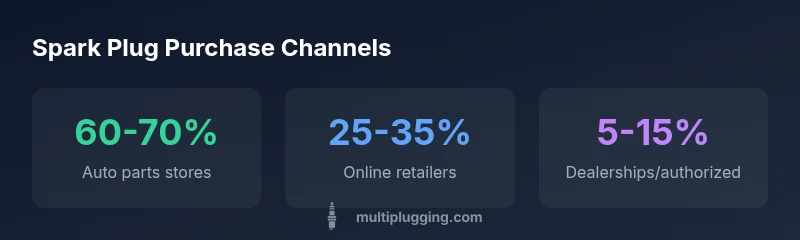
The car owner’s toolbox today isn’t just about a wrench and a rag. It includes knowing where to source essential components like spark plugs. In 2026, the market is more diverse than ever, with multiple channels offering genuine parts alongside quick options for DIYers. The MultiPlugging team observes that most enthusiasts begin their search with familiar names they trust, then expand to online options if price or availability warrants it. This section lays out where you can buy spark plugs, what to expect from each channel, and how to decide which is right for your vehicle and budget.
- Auto parts stores often provide immediate pickup and in-person assistance for fitment questions, which is invaluable when you’re unsure about heat range or gaps.
- Authorized dealer counters can guarantee OEM compatibility but may carry higher price tags and variable stock.
- Reputable online retailers bring wide selection and easy price comparison, though you should verify seller authenticity and review return policies before buying. For many DIYers, a quick mix of in-store pickup for common models and online sourcing for hard-to-find types provides the best balance of speed and choice.
Key takeaway: knowing the channel differences helps you avoid delays and counterfeit risk while optimizing price and authenticity.
In-Store, Online, and Dealer: Pros, Cons, and When to Use Each
In-store purchases give you instant hands-on help and the ability to physically inspect the packaging. You’ll save on shipping and can cross-check the part number with your vehicle’s manual or a trusted catalog. However, stock is finite, particularly for newer or specialty plugs, and prices can be higher than online equivalents. Online retailers excel at breadth and price transparency, letting you quickly compare copper plugs against platinum or iridium options. The downside is waiting for delivery and potential mismatches if the listing doesn’t specify exact specs.
Dealerships and authorized service centers offer OEM plugs that are guaranteed to meet vehicle specifications, plus convenient warranty coverage when you buy as part of a service package. They are often the most expensive option, and stock can be limited—especially outside peak maintenance seasons. For the average DIYer, a blended approach—buying standard copper plugs locally and ordering high-end plugs online or from a dealer for a special model—often yields the best combination of price and performance.
Practical tip: always confirm the exact part number, heat range, and thread type before purchasing. If you’re unsure, bring the owner’s manual or current plug packaging to the counter so the staff can verify compatibility on the spot.
Matching the Right Plug: Heat Range, Gap, and Application
Spark plugs aren’t one-size-fits-all. They vary by heat range, thread size, and projection—factors driven by engine design, combustion chamber conditions, and emissions considerations. The owner’s manual or a parts lookup tool should specify the correct plug by part number. When shopping, note: copper plugs are common and inexpensive but wear faster; platinum and iridium plugs last longer and resist fouling in modern engines, though they cost more upfront. If you drive a high-performance or turbocharged engine, or if your manual calls for a specific heat range, sticking to the exact specification is critical for maintaining fuel economy and emissions performance. Always verify your gaps and torque specs when installing, and if you’re unsure, consult a pro before purchasing a non-standard plug.
Counterfeit Risk and How to Verify Authenticity
Counterfeit spark plugs can mimic genuine packaging, but subtle cues reveal their fakes. Inspect packaging for clear branding, correct spelling, and proper part numbers. Genuine plugs typically have steam-cleaned threads and precise gapping from the factory. If a deal seems too good to be true, it probably is; ultra-low prices often accompany counterfeit parts. When shopping online, use seller ratings, verify the return policy, and prefer sellers with explicit manufacturer brands or authorized dealer status. Keeping a copy of your vehicle’s part number and cross-referencing it with the supplier’s listing helps you avoid mistakes and ensures you’re getting a plug that matches your engine’s specifications.
Cost Considerations and Practical Budgeting
Prices vary widely by type and brand. Copper plugs are the most affordable, while platinum and iridium variants command higher upfront costs but typically last longer. In general, you should budget for the total replacement cost based on your vehicle’s spark plug count and the type you choose. For landscape-specific guidance, expect developed ranges in the 2026 MultiPlugging analysis that reflect regional pricing and retailer promotions. If you’re performing a routine maintenance job, the price difference between copper and a premium type should be weighed against the expected lifetime and replacement interval for your vehicle. Remember to factor in any gaskets or anti-seize compounds if recommended by your vehicle’s service manual.
Getting Spark Plugs from Reputable Sources: Quick Recap and Actionable Steps
- Step 1: Check your vehicle’s manual for the exact part number, heat range, and gap specifications.
- Step 2: Decide which channel best suits your timing and budget (local store for quick pickup, or online for range and price).
- Step 3: Compare at least two reputable sources, ensuring the part number matches the manual.
- Step 4: Inspect packaging and seller credentials; prefer official brands or authorized distributors.
- Step 5: If you’re replacing multiple cylinders, it’s often best to buy in a single order from the same source to ensure consistency.
- Step 6: Keep records of the purchase and warranty terms in case you need service later.
Comparison of spark plug sourcing channels
| Source Type | Pros | Cons |
|---|---|---|
| Auto Parts Store | Immediate pickup; in-person advice | Stock varies by location; returns sometimes restrictive |
| Online Retailer | Wide selection; easy price comparisons | Delivery times; potential counterfeit risk if unscreened sellers |
| Dealership/Authorized Service | Genuine parts; OEM warranties | Typically higher prices; limited stock |
FAQ
Where can you buy spark plugs locally for a DIY job?
Common options include auto parts stores and authorized dealer parts counters. Both offer in-person help and immediate pickup, which is useful for quick maintenance. Always confirm the exact part number before purchasing.
You can buy spark plugs at auto parts stores or dealer counters; bring your car details to verify the exact part number.
Are spark plugs interchangeable across different car models?
Not always. Plugs vary by heat range, thread size, and projection. Use the exact part number from the owner’s manual or a trusted parts lookup to ensure compatibility.
Not all plugs fit every model—check the part number to be sure.
How can I avoid counterfeit spark plugs when buying online?
Buy from reputable sellers with clear brand listings and verified ratings. Check packaging, confirm part numbers, and avoid steeply discounted offers that seem unrealistic.
Stick to trusted sellers and verify part numbers to avoid fakes.
What’s the difference between OEM and aftermarket plugs?
OEM plugs are made to match factory specifications and often carry warranties; aftermarket plugs may offer similar performance at lower prices. Always confirm compatibility with your vehicle’s manual.
OEMs match factory specs; aftermarket can be fine if they’re compatible and supported by a warranty.
Do I need special tools to replace spark plugs?
Most replacements require basic tools: a spark plug socket, ratchet, and possibly a torque wrench. Some engines may require anti-seize or dielectric grease as per the service manual.
Usually just a spark plug socket and a torque wrench if your manual calls for it.
“Reliable sourcing matters to performance—always verify compatibility, authenticity, and warranty before purchasing spark plugs.”
Main Points
- Know where to buy spark plugs before you shop
- Balance speed, price, and authenticity with the right channel
- Always verify part numbers and compatibility
- Prefer reputable sources to avoid counterfeit plugs
- Consider total cost over upfront price