Can You Buy Spark Plugs: A DIY Buying Guide
Learn how to buy spark plugs with confidence—verify fitment, compare sources, and avoid counterfeit parts with this practical buying guide from MultiPlugging.


Yes, you can buy spark plugs from auto parts stores, major retailers, and online shops. To get the right plugs, you’ll need your vehicle’s year, make, model, and engine type. This quick answer helps you pick the right heat range, gap, and style before you buy. Also, check OEM recommendations, avoid counterfeit listings, and verify return policies.
Where to buy spark plugs and why you should start there
Can you buy spark plugs? The short answer is yes, and the best place to start is with sources that clearly show fitment data and reliable return policies. Auto parts chains, dealership service departments, major online retailers, and warehouse clubs all offer spark plugs, but they vary in price, availability, and authenticity controls. For a DIYer, the top goal is to locate the exact plug your engine requires and to avoid good deals that come with questionable parts. According to MultiPlugging, the first step is to collect your vehicle information—year, make, model, and engine code—and then use that data to filter search results by the exact part number. This upfront clarity cuts down on misfires and returns later on, and it also helps you compare options across channels with context rather than guesswork. The readers of this guide should keep a simple checklist handy: confirm fitment, check the return policy, and note the seller’s credibility before you add items to the cart. The rest of this guide expands on those steps with practical details and examples.
Our focus here is practical buying guidance, not installation. We’ll cover how to pick the right type, how to verify compatibility, and how to navigate the online marketplace or a local parts counter. This section also reinforces the importance of using trustworthy sources and recognizing red flags such as vague fitment data or unusually low prices. As you read, you’ll find a consistent thread: the more you verify at the outset, the smoother your purchase and subsequent maintenance will be. In line with MultiPlugging’s guidance, we’ll emphasize the exact part number rather than generic terms when possible, and we’ll show how to cross-check against official manufacturer data.
Tools & Materials
- Device with internet access(Phone, tablet, or computer to search retailers and read fitment data)
- Vehicle information(Year, make, model, and engine code or VIN if available)
- Owner’s manual or OEM part reference(Helpful for confirming spark plug type and gap recommendations)
- Budget range(Know your preferred price tier to filter options)
Steps
Estimated time: 15-30 minutes
- 1
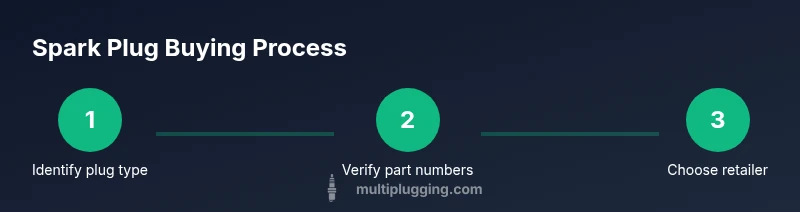
Identify the correct plug type
Start by locating the exact part number your engine requires using the owner’s manual or OEM data. Understand the basics: electrode type, heat range, thread size, and reach. Having this baseline prevents you from buying the wrong plug and wasting money.
Tip: Keep a quick-reference sheet with your engine code and the OEM part number for future maintenance. - 2
Confirm compatibility and part numbers
Enter the year, make, model, and engine code into reputable retailers’ search tools. Cross-check the entered data against the manufacturer’s published specs and any cross-reference tables. If there’s a discrepancy, contact the seller’s support before purchasing.
Tip: Use at least two sources to verify the same part number; this reduces the risk of misfit parts. - 3
Check types and performance goals
Decide between copper, platinum, or iridium plugs based on your driving style, mileage, and maintenance schedule. Also consider whether your engine requires resistor or non-resistor plugs for optimal ignition performance. This choice affects durability and ignition efficiency.
Tip: Non-resistor plugs can cause electrical noise on some older systems; verify compatibility if you’re retrofitting from a previous design. - 4
Compare retailers and read reviews
Search multiple outlets for the same part number and compare price, delivery speed, and return policies. Read customer reviews for authenticity and fitment reliability. Avoid listings with absent fitment data or unclear warranty terms.
Tip: Filter by ‘fitment data available’ and scan for verified buyer reviews to gauge real-world success. - 5
Assess authenticity and seller credibility
Prefer sellers with clear brand listings, official packaging images, and a robust return window. Watch for counterfeit indicators like missing part numbers, oversized discounts, or stock photos without real product shots.
Tip: If something looks off, ask for additional product photos or a direct confirmation email with the exact part number. - 6
Decide on quantity and add to cart
Most engines use multiple plugs per service cycle; calculate the required quantity based on your vehicle’s cylinder count and whether you’re stocking spares. Add the chosen quantity to the cart and review the subtotal, taxes, and shipping options.
Tip: Consider ordering one extra plug as a spare, but only from a reputable source with a clean return policy. - 7
Choose shipping method or in-store pickup
If you’re in a hurry, select expedited processing or in-store pickup where available. Compare delivery timelines with your maintenance plan so you don’t end up waiting for parts mid-project.
Tip: In-store pickup often reduces the chance of receiving counterfeit items and allows for quick verification with staff. - 8
Review order details and place the purchase
Double-check the part number, fitment data, and return policy. Confirm your shipping address and payment method before submitting the order. Save the confirmation number for future reference.
Tip: Take a screenshot of the order confirmation and keep it with your vehicle maintenance records.
FAQ
Can I buy spark plugs online and have them delivered to my door?
Yes. Online retailers and many auto parts sites offer delivery. Always verify fitment data and packaging when selecting the product, and check the return policy in case the part isn’t the right match.
Yes, you can buy spark plugs online and have them delivered. Always check fitment data and the return policy before completing the purchase.
What information should I have before buying spark plugs?
Gather your vehicle’s year, make, model, and engine code or VIN. Confirm the exact part number from the OEM manual or manufacturer data, and note whether your engine uses a copper, platinum, or iridium plug with the correct heat range.
Have your vehicle details and the exact OEM part number ready. Also know the plug type and heat range your engine requires.
Are premium plugs worth the extra cost?
Premium plugs like platinum or iridium often last longer and may offer smoother idle and better cold starting. However, for many daily drivers, the value difference may be modest. Always consider your driving habits and maintenance schedule before spending more.
Premium plugs can last longer and improve ignition in some cases, but for many drivers the benefit may be modest. Consider your driving and maintenance plan.
Can I return spark plugs if they don’t fit?
Return policies vary by retailer, but many allow returns if the product is unopened and within a stated window. Check that the packaging is intact and that the part number matches your vehicle’s requirements before opening the box.
Most retailers offer returns if the packaging is unopened and within the return window. Verify the part number before opening.
Do I need a torque wrench for installation or just for buying?
A torque wrench is used for installation, not for buying. Proper torque ensures the spark plug is seated correctly and won’t leak or seize. For shopping, focus on compatibility and part numbers; installation details come later.
Torque wrench use is for installation, not buying. Save torque specifics for the install steps after you have the right plug.
How can I spot counterfeit spark plugs?
Red flags include vague packaging, missing part numbers, unusually low prices, or sellers without verifiable stock images and manufacturer data. Always buy from reputable sellers with clear branding and packaging photographs.
Watch for vague packaging and missing part numbers. Buy from reputable sellers with clear branding.
Watch Video
Main Points
- Identify the exact spark plug type before shopping
- Verify compatibility with multiple sources
- Choose reputable sellers with clear return policies
- Keep orders and receipts for future maintenance