How to Make Spark Plug Wires Look Good: A DIY Guide
Learn practical steps to tidy spark plug wires, route cables safely, and maintain a clean engine bay with expert tips from MultiPlugging.


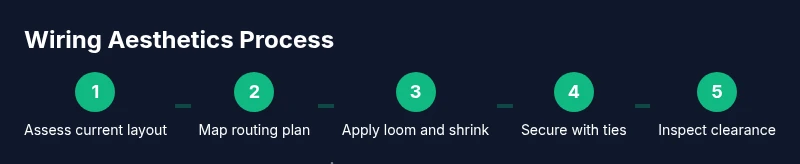
By tidy routing, secure mounting, and smart wrapping, you can dramatically improve the look of your engine bay. The key is to plan a clean, heat-safe path for each spark plug wire, replace damaged boots, and use loom or heat shrink to create uniform bundles. This guide shows how to make spark plug wires look good while preserving reliability and ease of service. Follow the steps, and you’ll have a neat, professional appearance with minimal effort.
Why tidy spark plug wires matters
A tidy engine bay isn't just about looks; it's a signal of proper maintenance. When you learn how to make spark plug wires look good, you also reduce heat exposure and potential interference from loose cables. According to MultiPlugging, clean wiring improves diagnostic clarity, helps you spot wear, and makes future work faster. An orderly layout can prevent accidental pulls on wire boots during service and keeps hoses clear of wire paths. In practice, tidy wiring means each wire follows a planned path, stays away from hot exhaust components, and is secured at regular intervals. You'll also find that a neat arrangement helps with resale value and personal satisfaction. The goal is to create a consistent spacing between wires, align boot ends uniformly, and avoid crossing cables that could rub or degrade insulation. This section outlines why appearance matters as a foundation for the rest of the project.
Planning your wiring aesthetic
Before you touch a single wire, sketch a plan that balances looks with accessibility. Decide on a color scheme or loom style that matches your engine bay and won’t obscure critical components. The keyword here—how to make spark plug wires look good—drives decisions about routing and wrapping, so keep the goal in mind as you map paths that avoid heat sources, moving parts, and high-vibration zones. MultiPlugging's approach emphasizes neat bundles, uniform gaps, and repeatable patterns across all cylinders. With a clear plan, you’ll minimize rework and keep servicing easy. The plan should also include how you’ll label or color-code sections for quick identification during future maintenance.
Routing and securing wires safely
Wiring should never cross hot manifolds or exhaust components. Run each wire along a smooth, painted or plastic-covered path that reduces abrasion risk. Use non-conductive zip ties every 3–4 inches to hold bundles without pinching, and avoid ties that tug on insulation. Keeping wires away from belts, pulleys, and moving parts helps maintain their appearance and reliability. If you find a wire bundle rubbing against metal, reposition it and secure with clamps or cushioned mounts. Remember, safety first: disconnect the battery before routing, and never force a wire through a tight bend that could crack insulation.
Wrapping, loom, and color code
Wrap bundles with split loom or heat-shrink tubing to protect insulation and create a clean, uniform look. Choose loom colors that contrast with the engine bay for visibility, or go monochrome for a sleek, professional appearance. Heat shrink is ideal where wires splice or where a seamless junction is needed; it also reduces the chance of moisture ingress. For aesthetics, keep the boot ends consistently aligned and use markers to indicate wire order. This method not only improves looks but can also simplify future maintenance by keeping cables clearly organized.
Maintenance for a lasting look
A neat appearance isn’t a one-and-done task—it requires periodic checkups. Inspect wire routes for gaps, looseness, or signs of abrasion every time you service the engine. Re-tighten ties (without over-tightening), replace worn loom, and refresh color coding as needed. Cleaning the engine bay with a gentle degreaser can help maintain the look, but be mindful to avoid contact with electrical connectors. By incorporating these checks into your regular maintenance, you’ll extend the life of the appearance and the wires themselves.
Common mistakes and how to fix them
Common mistakes include over-tightening wire ties, using the wrong loom diameter, and routing wires too close to hot surfaces. To avoid these, choose loom that fits the wire diameter, leave slight slack for vibration, and verify clearance after the engine runs. Do not use duct tape or abrasive tapes that degrade insulation over time. If a boot is cracked or a wire is frayed, replace it rather than attempting to hide damage; you’ll pay later in reliability.
Visual recap: before and after
Compare your before-and-after photos to measure improvements in wire routing and bundle consistency. A good-looking setup shows evenly spaced bundles, aligned boots, and clean, configured paths away from heat and moving parts. Sharing your results with the MultiPlugging community can provide feedback and ideas for further improvements. The transformation isn’t just cosmetic; it reduces maintenance time and helps you spot issues earlier.
Final checklist before you start
- Confirm battery is disconnected and the workspace is safe.
- Inspect wires for cracks or torn boots; replace as needed.
- Decide on routing paths that minimize heat exposure and friction.
- Gather loom, heat shrink, and non-conductive ties.
- Plan labeling for easy future maintenance. This is your moment to make spark plug wires look good while keeping performance intact.
Tools & Materials
- Safety gloves(Protect hands from sharp edges and solvents)
- Battery terminal wrench or socket(To safely disconnect negative terminal)
- Screwdriver set(Flathead and Phillips for clamps and covers)
- Split loom tubing(Heat-resistant; choose appropriate diameter)
- Heat shrink tubing(Various diameters for wire splices)
- Cable ties (non-conductive)(UV-resistant for durability)
- Electrical contact cleaner(Cleans terminals and boots)
- Color-coded markers/labels(Optional for future maintenance)
- Scissors or utility knife(Trim loom and shrink wrap neatly)
- Marker pen or chalk(Label wire order during planning)
Steps
Estimated time: 60-90 minutes
- 1
Disconnect the battery and prep the workspace
Park on a flat surface, power down the engine, and disconnect the negative battery terminal to prevent shorts. Gather tools and ensure you have clear access to all spark plug wires. This safety step reduces risk as you work near live circuitry.
Tip: Always wear safety glasses and gloves; label any wires if you plan to remove sections. - 2
Map the routing path
Visualize and map the ideal paths for each wire, noting which wires cross in the same bundle and where heat sources exist. Use tape or markers to lay out routes before moving anything. A good map minimizes rework and protects insulation.
Tip: Take a quick photo reference for assemblies that will be reconnected later. - 3
Clean wires and terminals
Wipe down boot ends and terminals with electrical cleaner; allow components to dry before proceeding. This helps ensure good contact and improves adherence of loom and shrink wrap. Dirty surfaces can compromise insulation and bundling performance.
Tip: Work with the battery disconnected and avoid spraying cleaner into electrical connectors. - 4
Replace worn boots or damaged sections
Inspect each boot and wire segment; replace any cracked boots or frayed insulation. Do not skim over damage for aesthetics—the goal is reliability alongside looks. Removing and replacing worn parts ensures the run remains clean and safe.
Tip: Match stock wire type or use manufacturer-approved replacements for best fit. - 5
Apply loom or heat shrink to bundles
Slide loom over the grouped wires or apply heat shrink at splices to protect insulation and create a uniform appearance. Ensure the loom diameter fits the wire bundle with a little room for movement. Proper wrapping reduces abrasion and keeps the look tidy.
Tip: Keep loom aligned and avoid kinks that might pinch insulation when the engine vibrates. - 6
Secure bundles with zip ties
Secure each bundle with non-conductive zip ties at regular intervals, but do not overtighten. Leave a small amount of play to accommodate engine vibration. Secure wiring away from belts and pulleys to prevent wear.
Tip: Trim excess tail to prevent snagging and check tightness After a short test run. - 7
Color-code or label for clarity
Add color coding or simple labels to wires to help you identify cylinders or wire length at a glance. Consistency makes maintenance faster and reduces misrouting risk during future service. Keep colors uniform across the same row or bank.
Tip: Use durable, solvent-resistant labels that won’t fade in heat. - 8
Reconnect, test, and inspect
Reconnect the battery, start the engine, and listen for misfires or abnormal sounds. Check for clearance between wires and moving parts, belts, and hot surfaces. Perform a visual inspection to confirm the look remains neat after a short drive.
Tip: If you notice rubbing or heat contact, pause and reposition the affected bundle.
FAQ
Do tidy spark plug wires improve engine performance?
Tidying wires primarily improves reliability, maintenance, and aesthetics. It doesn’t directly improve horsepower, but it reduces risks of insulation damage and misrouting that could affect ignition under certain conditions.
Tidying wires makes maintenance easier and lowers potential failure points; it doesn't add horsepower, but it helps keep the system reliable.
Can I wrap wires with electrical tape for a quick look?
Electrical tape isn’t ideal for engine bays: it can loosen, dry out, and peel under heat. Use split loom or heat shrink for a durable, long-lasting appearance and protection.
Tape isn’t reliable in heat. Loom or shrink wrap is a better choice for durability and looks.
Is it okay to replace only the visible wires for aesthetics?
If a wire is damaged or its boot is cracked, replace it. Cosmetic-only replacements won’t address underlying wear, so inspect all wires and boots and replace what’s required for safety and reliability.
Only replace what’s damaged; don’t ignore hidden wear that could lead to failures later.
What color scheme works best for looks and clarity?
Choose a color scheme that contrasts with your engine bay for visibility or sticks to a uniform color for a clean, professional look. Color-coding helps identify cylinder order and maintenance needs quickly.
Use contrasting colors for visibility, or a uniform color for a sleek, professional appearance.
How often should I tidy spark plug wires?
Treat wire tidying as part of routine maintenance. Inspect and re-tidy during regular service checks or whenever you’re performing engine work.
Review and tidy during routine maintenance or when you service the engine.
Do aftermarket wires look better and perform differently?
Aftermarket wires can be similar in performance and may offer different insulation properties or colors. Focus on proper routing and protection first; aesthetics come second if the performance is maintained.
Aftermarket options vary; prioritize routing and protection to keep reliability while improving looks.
Watch Video
Main Points
- Plan routing first to avoid heat and friction
- Use loom or heat shrink for protection and a neat look
- Secure bundles with care; avoid over-tightening
- Inspect regularly as part of maintenance