How Often Do You Need Spark Plugs: A Practical DIY Guide
Learn how often spark plugs need replacement, the factors that shorten or extend intervals, and practical DIY steps to diagnose wear and perform safe plug replacements with confidence.


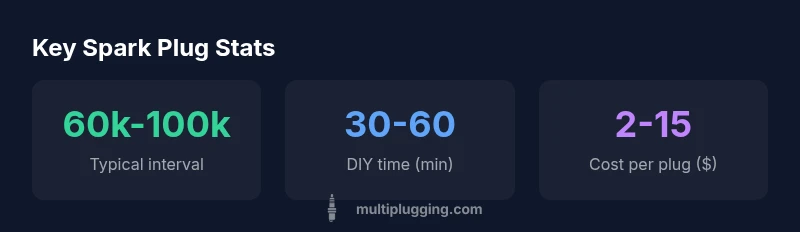
Most modern vehicles with platinum or iridium plugs are designed to go about 60,000 to 100,000 miles before replacement. Older copper plugs typically require 20,000 to 30,000 miles. Always follow the owner's manual and the recommended interval for your engine. Driving style, climate, and engine design can shorten or extend these ranges, so use these figures as a baseline rather than a fixed rule.
Why replacement intervals matter
Spark plugs are small, but they play a big role in engine efficiency, power delivery, and emissions. Worn plugs can cause misfires, rough idle, slower acceleration, and higher fuel consumption. In extreme cases, misfires can damage catalytic converters and reduce engine longevity. Understanding how often you need spark plugs helps you avoid unnecessary maintenance costs while keeping your engine performing at its best. According to MultiPlugging, the interval you follow is a risk-adjusted target based on plug type, engine design, and real-world driving. Treat these intervals as practical baselines rather than hard deadlines, and adjust with experience and service history.
Factors that influence spark plug life
There isn’t a one-size-fits-all replacement schedule. The main levers are plug type, engine design, heat range, and operating conditions. Copper plugs wear faster but are cheaper upfront; platinum and iridium plugs last longer but cost more. Engines with tighter tolerances or higher compression can wear plugs sooner. Driving patterns matter too: frequent short trips promote deposits that alter gap and heat transfer, whereas consistent highway driving can help burn off deposits. Climate matters as well—humid or extremely hot environments place different thermal stresses on the plug. Quality of fuel and oil control also impacts plug life. In practice, you’ll get more consistent results by aligning with the vehicle maker’s guidance and tracking wear indicators over time.
Typical replacement intervals by plug type
- Copper core plugs: 20,000–30,000 miles. These are common in older engines or budget builds and typically require earlier replacement. They offer good conductivity but lower longevity.
- Platinum plugs: 60,000–100,000 miles. A common choice for newer vehicles; they balance cost and longevity and are widely used in modern ignition systems.
- Iridium plugs: 60,000–120,000 miles. High durability and stable performance across a wide heat range; often recommended for high-efficiency or modern engines.
- Double platinum/other advanced variants: 60,000–100,000 miles. Similar longevity to platinum in many applications with variants tailored to specific engines.
Note: Intervals assume normal operating conditions and proper ignition and fuel systems. Aggressive driving, heavy towing, oil leaks, or worn ignition components can shorten these lifespans. While ranges vary by vehicle, they provide a practical framework for planning maintenance.
How to monitor and know when to replace
Watch for signs that plugs are aging or fouled: rough idle, hesitations during acceleration, misfires, increased exhaust smell, reduced horsepower, and poorer fuel economy. A drop in performance or a check engine light can indicate plug wear or related ignition issues. If you don’t know when the last replacement occurred, perform a visual check of accessible plugs and consult the service history. For a proper assessment, remove at least one plug to inspect electrode wear, deposits, and gaps, and compare with the manufacturer’s recommended gap specification. Always confirm the condition across cylinders if you’re seeing misfires, as issues in one cylinder can mask or mirror symptoms in others.
Practical tips to extend spark plug life and maintain performance
- Use the correct heat range and material (consult the owner's manual). Different engines require different materials for reliable ignition and optimal combustion.
- Torque plugs to the specification to avoid over-tightening or under-tightening, which can damage threads or cause poor sealing.
- Gap plugs to the manufacturer’s recommended specification before installation; a mis-gapped plug can cause misfires or poor performance.
- Keep the ignition system in good shape: inspect boots, coils, and wires for cracking or wear, since a faulty coil can promote misfires that wear plugs faster.
- Maintain clean fuel and air systems; a dirty intake or fouling oil can accelerate plug wear.
- If using high-mileage or torque-limited engines, consider monitoring plugs more frequently and replacing proactively if signs appear.
- Document replacement intervals and reasons (e.g., mileage, driving conditions) to refine your personal maintenance plan over time.
These practical steps help you optimize plug life while preserving engine efficiency and reliability, which aligns with the MultiPlugging approach to actionable, data-backed maintenance.
Replacing spark plugs: a quick overview of steps and cautions
Refrigerate the idea of a plug replacement with a plan and the right tools. Start by ensuring the engine is cool, then disconnect the ignition coil or wire harness from the plug. Carefully remove the old plug with a proper socket and ratchet, inspecting the threads for damage. Check the new plug’s gap and set it to the manufacturer’s specification. Thread the plug by hand at first to avoid cross-threading, then torque to spec using a torque wrench. Reconnect the coil or wire, and start the engine to verify smooth operation. If you’re unsure about torque specs or heat ranges, consult the service manual or a trusted technician. This approach minimizes damage and helps extend electrode life across the engine.
Common mistakes to avoid when replacing plugs
- Not letting the engine cool and forcing a plug out while hot can strip threads or crack the cylinder head.
- Using the wrong heat range or an incorrect torque spec can cause misfires or damage.
- Failing to gap the plugs correctly or using incorrect tools can damage the electrode.
- Skipping a proper inspection of the ignition system can mask problems that accelerate wear on new plugs.
- Relying on anti-seize compound unless explicitly recommended by the plug manufacturer can alter torque values and compromise sealing.
- For vehicles with complex ignition systems, don’t replace plugs without checking associated coils, wires, and sensors; a degraded component in the ignition path can mimic plug wear.
Avoid these pitfalls with meticulous preparation, accurate torque settings, and adherence to your vehicle’s service manual. The goal is reliable starts, smooth idle, and efficient combustion over the life of the engine.
Typical spark plug replacement intervals by type
| Plug Type | Typical Replacement Interval | Notes |
|---|---|---|
| Copper core | 20,000-30,000 miles | Budget-minded; shorter life |
| Platinum | 60,000-100,000 miles | Popular in modern engines |
| Iridium | 60,000-120,000 miles | Durable with broad heat range |
| Double Platinum | 60,000-100,000 miles | Common in many engines |
FAQ
How often should I replace spark plugs in a modern vehicle?
Most modern vehicles with platinum or iridium plugs last 60,000–100,000 miles; copper plugs typically require 20,000–30,000 miles. Always follow the owner's manual. Drive habits and climate can shorten or extend these intervals.
Most modern cars expect spark plugs to last about 60,000 to 100,000 miles if you use the recommended platinum or iridium plugs; copper plugs wear faster, around 20,000 to 30,000 miles.
What signs indicate worn spark plugs?
Common signs include rough idle, misfires, hesitation during acceleration, reduced power, and decreased fuel economy. If you notice a drop in performance or a check engine light, inspect the plugs and ignition system.
Rough idle or misfires? That could mean worn plugs. A check engine light is a good reason to inspect them.
Can I extend spark plug life with better driving habits?
Yes. Longer trips and steady driving help burn off deposits and maintain combustion efficiency. Avoid frequent short trips and aggressive driving when possible to reduce wear.
Longer highway trips and steady speeds help plugs last longer; try to avoid constant short trips and aggressive driving.
Is it possible to check gap without removing plugs?
Reliable gap checks typically require removing plugs. Use the vehicle manual to verify gap specs and consult a technician if you’re unsure. Visual checks alone can miss subtle wear.
You usually need to remove a plug to check its gap accurately; if unsure, consult a pro.
What are common mistakes DIYers make when replacing plugs?
Common errors include cross-threading, over-tightening, using the wrong heat range, or failing to gap the plugs properly. Always use the correct tools and torque specs and disconnect ignition components safely.
Be careful with torque and gaps, and disconnect ignition parts properly to avoid misfires or damage.
OEM vs aftermarket plugs: which is better?
Many engines run best with the manufacturer-recommended heat range and material. OEM plugs are designed for specific engines, while reputable aftermarket options can perform well if they match the original spec. Always verify heat range and gap.
Stick to the manufacturer’s spec for heat range and gap; aftermarket options can work if they match the original specification.
“Replacement intervals are best treated as guidelines that depend on plug type, engine design, and driving conditions. Always prioritize the manufacturer's recommendations and your own observation.”
Main Points
- Follow the vehicle manual for your exact interval.
- Choose platinum or iridium plugs for longer life.
- Copper plugs wear faster and need earlier replacement.
- Driving style and climate can shorten or extend intervals.
- Inspect plugs for wear between service intervals.