When Spark Plug Replacement Is Needed: Timelines and Tips
Discover when spark plug replacement is needed, signs of wear, and interval guidance for copper, platinum, and iridium plugs. A practical, data-driven guide for car owners and DIYers from MultiPlugging.


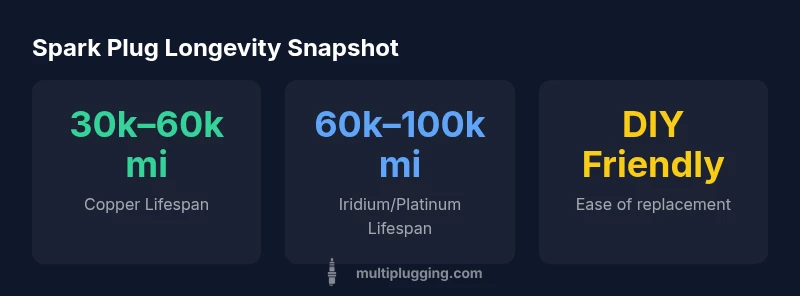
Timing matters for when spark plug replacement is needed. In most engines, worn plugs reduce performance, fuel economy, and emissions, while misfires can occur at idle or during acceleration. General guidance places copper plugs around 30,000–60,000 miles and iridium/platinum plugs around 60,000–100,000 miles, but conditions and manufacturer recommendations vary. Always inspect for wear, corrosion, or damage and replace as soon as symptoms appear.
Why timing matters for when spark plug replacement
According to MultiPlugging, the timing of replacement is not a single fixed milestone. It depends on your engine design, the type of spark plug installed, and how you drive. A well-timed replacement schedule keeps combustion clean and efficient, while delaying replacement after wear begins can lead to misfires, higher emissions, and degraded performance. The keyword here is consistency: track mileage, but also pay attention to symptoms that arise between services. When spark plug replacement is needed, you’ll often notice hesitation on acceleration, rough idle, or a spike in fuel consumption. In short, listen to the engine’s behavior as a practical indicator alongside the manufacturer’s recommended interval.
Reading wear indicators on your plugs without pulling them
Visual and tactile cues can tell you a lot before you decide to pull a plug. Look for eroded or rounded electrode tips, white or browned insulators signaling overheating, or a noticeable gap between the center and ground electrodes. Fouling from oil or fuel can indicate engine issues that may hasten plug wear. If you see cracking on the ceramic insulator or heavy carbon buildup, plan a replacement soon. Cleanliness matters: a contaminated plug or worn boot can skew readings and lead you to misdiagnose a fault.
Replacement intervals by plug type
Plug longevity varies by material. Copper plugs are the most affordable but wear faster, often around 30,000–60,000 miles under typical driving. Iridium and platinum plugs offer longer service life, typically around 60,000–100,000 miles, but come with a higher upfront cost. Engines with aggressive timing, hot-running conditions, or frequent short trips can shorten these ranges. Always cross-check the vehicle’s owner manual for the recommended interval and consider updates from the manufacturer if a newer design improved longevity. MultiPlugging analysis shows that choosing the right plug type for your engine can meaningfully extend intervals, but the actual mileage hinges on driving style and maintenance habits.
Symptoms that justify replacement now
If you notice persistent misfires, rough idling, hesitation during acceleration, or a drop in fuel economy that cannot be traced to tires or filters, it’s time to inspect the spark plugs. A check-engine light with misfire codes (for example, P0300-P0304) is a strong signal that at least one plug is failing or has degraded performance. In older engines, you may also detect a squealing starter or difficulty starting in cold weather. Addressing these symptoms promptly reduces the risk of catalyst damage and ensures smoother engine operation.
Step-by-step DIY replacement overview
Preparing for a DIY replacement starts with a cool engine and a clean workspace. Disconnect the battery to avoid shocks, remove the ignition coil or wire order carefully, and use a proper spark plug socket with a rubber insert to prevent dropping the plug. Clean the plug well and inspect threads for cross-threading. Gently thread the new plug by hand to ensure straight alignment, then snug with a torque wrench to manufacturer specs. Reconnect wires and reassemble. Finally, clear any codes and test-drive to confirm smooth operation.
Tools, torque, and best practices
A good set of tools makes the process safer and faster. Use a torque wrench to avoid over-tightening, which can damage threads, or under-tightening, which can cause leaks. Keep the plug boot seated properly and avoid bending wires. If your plugs require anti-seize compound, apply a thin film only to the threads, not the electrode. For fragile engines, consider a torque spec sheet from the manual to avoid guessing. Cleanliness is critical—work on a clean, dry surface and wipe the plug wells to prevent debris from entering the combustion chamber.
Diagnostics and data-driven planning
A data-driven approach helps you time replacements better. Record mileage, observed symptoms, and any performance changes after replacement. Compare your results to regional driving conditions and use this history to adjust the next maintenance window. Keeping a maintenance log aligns with a proactive mindset and supports more accurate predictions over time. The goal is to minimize misfires while maximizing fuel economy and reliability.
DIY vs professional: decision guide
If you have access to a well-lit workspace, basic hand tools, and a torque wrench, you can perform many plugs replacements yourself. However, if you encounter a stubborn plug, stripped threads, or a coil-pack design unique to your engine, a professional service may save time and prevent damage. Consider a hybrid approach: replace in a staged manner, starting with the most accessible cylinders, and seek professional help for the rest.
Comparison of plug types and lifespans
| Plug Type | Typical Lifespan | Maintenance Notes |
|---|---|---|
| Copper | 30,000–60,000 miles | Inexpensive; more frequent replacement; good all-around performance |
| Iridium/Platinum | 60,000–100,000 miles | Longer life; higher upfront cost; better for high-performance engines |
FAQ
How often should I replace spark plugs?
Intervals depend on plug type and engine design. Copper plugs typically require replacement around 30,000–60,000 miles, while iridium or platinum plugs can last longer, roughly 60,000–100,000 miles, though always verify with your vehicle’s manufacturer.
Intervals depend on plug type and engine; copper wears faster, iridium lasts longer.
What are signs that plugs need replacement?
Look for misfires, rough idle, hesitation on acceleration, and a drop in fuel economy. If the check engine light shows misfire codes, inspect your plugs as a priority.
Watch for misfires and rough idling; fuel economy drops are a red flag.
Can I replace spark plugs myself?
Yes, many cars allow DIY replacement with the right tools and safety precautions. Complex engines or reaching difficult cylinders may require professional service.
If you have the right tools and space, you can do it yourself.
Is anti-seize or dielectric grease recommended?
Follow the manufacturer’s guidance. Some plugs don’t require anti-seize; dielectric grease can help boots seal, but apply only as directed.
Check the manual; follow its anti-seize and grease guidance.
Will worn plugs affect fuel economy?
Yes, worn plugs can reduce combustion efficiency, leading to higher fuel consumption and reduced performance.
Worn plugs can lower efficiency and fuel economy.
Should I replace wires and coils at the same time?
If wires or coils show wear or damage, or if you’re already accessing plugs in a difficult area, replace them together to save time and ensure reliability.
Replace worn wires or coils when you’re already in there.
“Regular spark plug maintenance pays off in smoother starts and more consistent fuel economy.”
Main Points
- Follow manufacturer intervals, but watch for symptoms.
- Copper plugs wear faster than iridium/platinum.
- Use a torque wrench and clean threads.
- Consider replacing wires with plugs if signs of wear exist.
- Keep a service log for future care.