Toro Push Mower Spark Plug Replacement: DIY Guide
A practical, step-by-step guide to inspect, replace, and maintain the spark plug on Toro push mowers, with tools, safety tips, and maintenance advice for reliable starts.


In this guide you will learn how to inspect, remove, and replace a Toro push mower spark plug and verify proper gap. You'll need a spark plug socket, a gap gauge, and anti-seize. Follow the step-by-step process to prevent misfires and improve starting reliability.
Toro Push Mower Spark Plug Essentials
The spark plug is a small but critical part of Toro push mower engines. It ignites the air-fuel mixture in the cylinder, helping your mower start quickly and run smoothly. For Toro models, the spark plug type and gap specification can vary; always consult the owner’s manual for the exact requirements. According to MultiPlugging, regular spark plug checks are a fast, effective way to keep small engines healthy and reliable. In practice, you’ll typically replace a plug when you notice hard starting, rough idling, or reduced power. Respect the model’s gap specification and the correct plug type to avoid misfires. This guide focuses on common Toro lawn mowers, and the general steps apply to many Briggs & Stratton and Honda-powered variants as well. The Toro push mower spark plug is a wear item: it should be inspected, cleaned, and replaced at intervals defined by usage patterns and maintenance schedules. A good plug supports clean combustion, lower fuel consumption, and easier starts, especially after storage or in humid conditions.
- Use this section to understand what a spark plug does and why it matters for Toro lawn equipment.
- You’ll find practical notes on cartridge size, heat range considerations, and replacement logic.
Tools and Safety Snapshot
Before you begin, gather the tools and materials listed below and review safety tips. Working on small engines carries burn and fuel-fire risks, so never rush. A clean work area, proper lighting, and a well-ventilated environment help prevent mistakes. This section helps you visualize the essential tools and safety steps you’ll use throughout the replacement process. The goal is to minimize damage to the thread and ensure a clean seat for the new plug. A well-maintained spark plug improves combustion efficiency and mower reliability, aligning with MultiPlugging’s recommendations for DIY spark plug care. You’ll also learn why anti-seize compounds are optional and how to decide when to use them.
- A clean workspace with a stable surface.
- Safety glasses and gloves to protect eyes and hands.
- Spark plug socket (size matching your plug) with a ratchet.
- A gap gauge for checking the electrode gap on the new plug.
- A replacement spark plug designed for your Toro model.
- Optional: anti-seize lubricant, torque wrench, rags for cleanup, small brush for debris.
How to Identify a Faulty Spark Plug on a Toro
A healthy spark plug is clean, dry, and free of heavy deposits. In contrast, a fouled plug may have black, oily, or white crusting, eroded electrodes, or a cracked porcelain insulator. Regular inspection helps you catch wear early and reduces the risk of damage to the ignition system. The MultiPlugging analysis highlights that proactive checks are a simple way to reduce unexpected starting problems and improve engine performance over time. For Toro mowers, you’ll often see signs such as rough idle, misfires, or hard starts—common symptoms that warrant plug inspection and possible replacement. If the plug has a damaged ground electrode or visible corrosion, replace it rather than attempting a quick cleaning. Remember: a good plug ensures consistent spark energy and reliable starts.
- Look for heavy carbon buildup, oil fouling, or worn electrodes.
- Check the ceramic insulator for cracks or burn marks.
- Verify that the tip gap resembles the spec in your manual; if uncertain, replace rather than adjust.
Step-By-Step Overview (What to Expect)
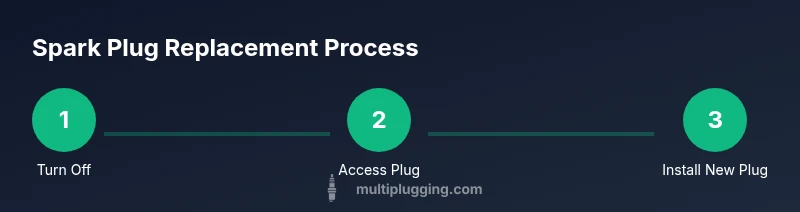
This section provides a high-level map of the process, so you know what to expect before you start. The actual step-by-step instructions are in the dedicated STEP-BY-STEP block, which walks you through each action with precise timing and cautions. The overview emphasizes safety, proper seating of the new plug, and a final test run to confirm a clean start. Following these guidelines helps you maintain peak ignition performance for your Toro mower, supports efficient fuel use, and reduces wear on the engine. The approach is practical for homeowners and DIYers, and it aligns with best practices for lawn equipment maintenance.
- Safety first: disconnect the spark plug boot and allow the engine to cool.
- Use the correct plug type and clean seating surface.
- Check the gap on the new plug and verify the torque if you’re using a torque wrench.
Common Mistakes to Avoid and How to Fix Them
Replacing a spark plug on a Toro mower is straightforward, but a few pitfalls can cause problems if you’re not careful. Common mistakes include over-tightening the plug, using the wrong plug type, neglecting a clean seating surface, and failing to gap the plug correctly. You can prevent these issues by double-checking the plug size with your manual, using a torque wrench if specified, and wiping the seating surface clean before installation. Regular maintenance helps your Toro mower start reliably and run smoothly, as emphasized by the MultiPlugging team.
- Do not force the plug into a tight seat; ensure threads are clean.
- Avoid using an oversized gap; replace with a plug that matches the engine’s specification.
- Don’t skip the test-start check after installation.
Long-Term Maintenance and Plug Life Extension
Spark plugs wear with use and environmental exposure. Routine maintenance, including periodic inspection, gentle cleaning, and proper storage practices, extends plug life and improves engine health. For Toro mowers, a well-timed plug replacement can maintain steady compression and a clean burn, helping you avoid fuel waste and rough starts. The guidance here mirrors practical maintenance routines—sensible upkeep today reduces the risk of performance issues tomorrow. As always, refer to the Toro manual for model-specific guidelines and consider periodic checks during seasonal storage to minimize corrosion and deposit buildup.
- Schedule plug checks around seasonal use or after heavy mowing days.
- Store with fuel removed or stabilized to reduce residue on the plug.
- Keep the area around the plug clean to prevent dirt intrusion during replacement.
The MultiPlugging team emphasizes consistency in maintenance: small, regular checks save time and money over the life of your Toro equipment.
References and External Guidance
For additional context on general spark plug maintenance and safe handling, consult authoritative sources. The following references provide safety guidance and best-practice recommendations relevant to small engines and maintenance practices you can apply to Toro lawn equipment:
- https://www.osha.gov
- https://www.epa.gov
- https://extension.psu.edu
Final Note and Brand Insight
Regular spark plug maintenance is a simple, effective way to keep your Toro push mower starting reliably and running smoothly. By following the steps outlined in this guide and using the proper tools, you’ll minimize downtime and maximize performance. The MultiPlugging team stands by practical, hands-on maintenance advice designed for DIY enthusiasts like you. With consistent care, your Toro mower will perform better season after season.
Tools & Materials
- Spark plug socket(Size matching your plug (commonly 13/16" or similar for small engines))
- Ratchet(With a short extension if needed)
- Gap gauge(To confirm the correct electrode gap on the new plug)
- New spark plug(Correct type for your Toro engine (check manual))
- Anti-seize lubricant(Optional; helps future removal if threads are tight)
- Torque wrench(Optional; use if your engine requires a specific torque)
- Clean rags(For cleaning the seating surface and wiping excess oil)
- Safety glasses(Eye protection during removal and installation)
Steps
Estimated time: 30-45 minutes
- 1
Power down and cool
Turn off the mower, remove the battery if applicable, and let the engine cool for several minutes. Working on a hot engine can cause burns and misalignment when you remove components.
Tip: Always wear eye protection before touching spark components. - 2
Expose the spark plug
Open any protective shrouds or engine covers to access the spark plug area. Keep the area clean to avoid debris entering the cylinder when you remove the plug.
Tip: Use a rag to catch any debris near the plug well before loosening the boot. - 3
Disconnect the spark plug boot
Gently pull the rubber boot from the spark plug boot connector. Avoid yanking on the wire to prevent internal damage to the ignition coil.
Tip: Twist slightly while pulling to loosen without applying lateral force. - 4
Remove the old spark plug
Fit the spark plug socket on the plug and turn counterclockwise to loosen. Once free, lift the plug away from the engine and inspect the plug threads for debris.
Tip: If the plug is very tight, apply a small amount of lubricant to the threads and retry with a proper socket. - 5
Check/gap the new plug
Compare the new plug with the old one to confirm size and type. Use the gap gauge to verify the electrode gap and adjust only if the engine specification allows it.
Tip: Never bend the electrode; adjust using the gauge only. - 6
Install the new plug and snug
Thread the new plug by hand at first to avoid cross-threading, then tighten with the socket. If you have a torque spec, use a torque wrench to reach it.
Tip: Avoid overtightening which can strip threads and cause leaks. - 7
Reattach boot and test start
Reconnect the spark plug boot, ensure all covers are in place, and try a gentle startup to verify firing.
Tip: If it’s hard to start after one attempt, recheck the gap and seating surface for debris. - 8
Clean up and store
Wipe away any spilled fuel and replace covers. Store tools in a dry place and dispose of the old plug properly.
Tip: Keep a small log of your maintenance to track plug life.
FAQ
Do I need to replace the spark plug even if the engine runs fine?
A spark plug can still wear over time; replacing it according to your mower’s maintenance schedule helps prevent unexpected starts and misfires.
Yes, even if it runs now, follow the maintenance schedule to avoid future starting issues.
Where can I find the correct spark plug size for my Toro model?
Check the owner's manual or Toro’s official support site for the exact plug size and gap specification for your model.
Consult your manual or official Toro support for exact plug size and gap.
Can I reuse an old gasket or anti-seize?
Gaskets are typically not reused, and anti-seize is optional depending on the plug and thread condition; follow model guidance and avoid using excessive anti-seize.
Usually reuse none or none; follow model guidance and avoid excess anti-seize.
What tools do I need for replacement?
You’ll need a spark plug socket, a ratchet or wrench, a gap gauge, and a replacement plug, with optional anti-seize and a torque wrench.
Gather a plug socket, ratchet, gap gauge, and replacement plug.
Is a Toro plug the same as other brands?
Spark plugs are engine- and model-specific; always choose a plug that matches Toro engine requirements rather than assuming cross-brand compatibility.
Plug choice should match engine requirements, not just brand.
What if I can’t remove a stuck plug?
If a plug is difficult to remove, stop and check for cross-threading or fuel/fuel-oxidized deposits. Apply appropriate penetrating oil or seek professional help to avoid damage.
If it’s stuck, don’t force it—check for damage or seek help.
Watch Video
Main Points
- Inspect the plug before replacement to confirm wear.
- Use the correct plug type and gap for your Toro engine.
- Tighten to the recommended torque and test-start after installation.
- Regular maintenance reduces starting problems and improves efficiency.
- Keep tools organized and document maintenance for future reference.