Spark Plug Guide for Toyota Prius: DIY Replacement and Maintenance
Learn how to diagnose, replace, and optimize spark plugs for your Toyota Prius. This expert, step-by-step guide covers plug types, tool selection, gap and torque, safety, and maintenance for a smooth hybrid ride.


By following this guide, you'll learn to inspect, select, and replace spark plugs on a Toyota Prius, ensuring proper gap and torque while avoiding cross-threading. You'll identify Prius-specific plug types, gather the right tools, and complete the job safely without damaging the hybrid system. This step-by-step approach keeps your engine firing cleanly.
Why spark plugs matter in a Toyota Prius
The spark plug is a small part with a big job: ignite the air-fuel mix at the precise moment so the Prius’ gas engine (and its hybrid control system) can deliver power efficiently. In the Toyota Prius, clean, consistent ignition helps maximize fuel economy, reduce emissions, and keep the hybrid electrical system from working harder than it needs to. According to MultiPlugging, regular spark plug maintenance is essential for Prius efficiency and smooth operation of the gas engine and hybrid integration. Worn or fouled plugs can cause misfires, rough running, and a dip in miles per gallon. When the ignition is weak, the engine may run hotter and the computer may compensate with fuel-rich or lean conditions, which in turn can stress sensors and catalytic converters. This guide focuses on practical, do-it-yourself steps to identify the right plug type for your Prius, verify gap specifications, and replace plugs safely, with attention to the unique layout of Prius engines and the importance of avoiding interference with high-voltage components.
Prius-specific plug types and compatibility
Prius models typically use long-life spark plugs designed for efficient ignition and minimal maintenance. You’ll often find iridium or platinum options, selected to resist wear in modern, high-compression systems. The Prius’ computer controls ignition timing and fuel delivery with tight tolerances, so using the correct heat range and thread size matters for reliability and performance. Always verify the exact spec for your model year in the owner’s manual or from a trusted parts guide. When choosing replacements, consider OEM-recommended options or reputable aftermarket plugs that match the original heat range, electrode geometry, and durability. Remember that the goal is consistent firing and optimal combustion while protecting the hybrid’s emissions controls. According to MultiPlugging, sticking to the manufacturer’s guidance reduces the risk of misfires and improves overall drivetrain longevity.
Tools, safety, and prep
Before you start, assemble the necessary tools and materials and review safety steps. The work is straightforward, but it involves removing parts that connect to the vehicle’s electrical system, so gloves and eye protection are wise. Essential tools include a spark plug socket, a ratchet with an extension, a torque wrench to meet the OEM spec, and a gap tool to verify the new plugs. You’ll also need fresh spark plugs, dielectric grease for electrical connections, and shop towels to keep the workspace clean. Optional items like anti-seize can be useful in some scenarios, but always follow the plug manufacturer’s guidance. Set aside a dedicated workspace, and ensure the engine is cool before beginning to prevent burns. This planning phase minimizes surprises and keeps the process smooth and safe.
Locating the spark plugs in the Prius engine bay
In many Prius generations, the spark plugs sit beneath the engine cover along the valve cover rail. Access is often from the top, with coil-on-plug arrangements that isolate each cylinder. The design helps simplify maintenance, but it also means you should disconnect the negative terminal of the 12V battery and wait briefly before touching the electrical connectors. When you remove the coil packs, handle them gently to avoid damaging the boots. If you’re unsure how many plugs your model uses or where exactly they reside, consult the service manual or a trusted Toyota guide. Safety and proper access reduce the risk of dropped fasteners or bent wires, which can complicate the job.
Signs your Prius spark plugs need replacement
Worn spark plugs manifest in several ways that affect both performance and economy. You may notice rough idle, reduced power, hesitation at acceleration, or a slight drop in miles per gallon. The check engine light can illuminate if a misfire is detected in one or more cylinders. On hybrids like the Prius, misfires may also show up as unusual engine sounds when the gasoline engine starts or transitions during electric-hybrid mode. If you experience any of these symptoms, it’s prudent to inspect the plugs, inspect coil boots for cracks, and perform a gap check on the replacement plugs before installation. Addressing issues early can prevent unnecessary strain on the hybrid system and other sensors.
Step-by-step overview: preparing, removing, and inspecting
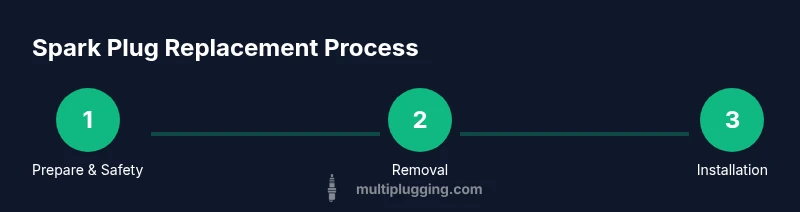
Replacing spark plugs is a sequence of safe, deliberate actions. Begin by cooling the engine and disconnecting the 12V battery to prevent accidental electrical contact. Remove the engine cover to expose the coil packs, then carefully disconnect each coil boot and lift it free from the spark plug. Note the exact location of each coil and its corresponding plug to avoid mix-ups during reassembly. After removing the old plugs, inspect the electrode and insulator for wear or fouling. If the plug looks degraded, replace it with a new one of the correct type and heat range. Finally, recheck the plug seating and coil boot connections before moving on to installation.
Installing new plugs: gap setting, seating, and care
New plugs must be gapped to the manufacturer’s specification before installation. Use a gap tool to confirm the gap, and set it carefully if adjustments are needed. Apply a small amount of dielectric grease to the inside of the coil boot (if recommended by the plug manufacturer) to ease future removal and maintain a good seal. Thread the plug by hand first to prevent cross-threading, then tighten with a torque wrench to the specified value. Reinstall the coil packs, ensure the electrical connectors are fully seated, and replace the engine cover. Reconnect the 12V battery terminal and start the engine to verify smooth operation and absence of misfires.
Reassembly, testing, and final checks
With the plugs in place, reattach any covers you removed and tighten fasteners to the recommended torque. Reconnect the 12V battery and start the engine. Listen for a steady, smooth idle and watch for the absence of rough running or abnormal exhaust smells. If you notice a misfire or roughness after the job, double-check the plug seating, coil connections, and gap settings. Running a quick diagnostic with a basic scanner can help confirm that no error codes are present and that the computer has properly reinitialized ignition parameters. A well-executed replacement should restore power delivery, maintain MPG, and keep emissions within expected levels.
Maintenance plan, disposal, and troubleshooting
Regular inspection of spark plugs should be part of your Prius maintenance routine. Schedule a follow-up check at your next planned service interval to ensure the plugs remain in good condition. Dispose of old plugs according to local regulations, and consider recycling metal components when possible. If a fault reappears after replacement, review installation steps for cross-threading, poor seating, or damaged coil boots. In many cases, rechecking the torque and plug gap resolves the issue, and you can resume normal driving with confidence.
Tools & Materials
- Spark plug socket with 3/8 inch drive(Ensure it fits the plug size; common Prius plugs use a 13/16 inch or 5/8 inch socket depending on model.)
- Ratchet and extension(Long enough to reach under coil packs without removing major components.)
- Torque wrench(Used to tighten plugs to the manufacturer’s specified torque. Do not over-tighten.)
- Feeler gauge or digital gap tool(Match the new plug’s recommended gap to factory spec; do not guess.)
- New spark plugs (correct heat range and thread size)(Check the Prius model year and engine code for exact type.)
- Dielectric grease(Optional for electrical connections if the plug manufacturer recommends it.)
- Anti-seize compound (optional)(Sparingly used only if the plug type or manual calls for it.)
- Shop towels or clean rag(Keep the work area clean and wipe away debris.)
- Gloves (nitrile or mechanic)(Protect hands and improve grip while handling spark plugs.)
Steps
Estimated time: 60-90 minutes
- 1
Prepare and safety
Park on a level surface and allow the engine to cool. Disconnect the negative terminal of the 12V battery to prevent accidental shocks. Gather all tools and new plugs, and review the manufacturer’s gap and torque specifications before touching any components.
Tip: Wear gloves and eye protection. Cool engines prevent burns and reduce the risk of damaging parts. - 2
Disconnect battery and remove engine cover
First, disconnect the battery negative terminal. Remove the engine cover to access the coil packs and spark plugs. Keep track of fasteners so you can reassemble everything without frustration.
Tip: Label or photograph fasteners if needed; loose bolts can be easy to misplace. - 3
Remove coils and old plugs
Gently disconnect the coil boot from each spark plug, then remove the spark plug using the proper socket and extension. Do not yank the wires; twist the boot slightly to free it and avoid damaging the coil channel.
Tip: Work one plug at a time to avoid mix‑ups between cylinders. - 4
Inspect old plugs and gap new ones
Examine the old plugs for wear, deposits, or damage. Compare the new plugs against the OEM specification, and set the correct gap using a gap tool if adjustments are required.
Tip: If the old plugs show severe wear or damage, replace all plugs for uniform performance. - 5
Install new plugs and torque to spec
Thread the new plugs by hand to avoid cross-threading, then tighten with a torque wrench to the manufacturer’s recommended value. Reconnect coil boots firmly and reseat them evenly.
Tip: Apply dielectric grease only if recommended; otherwise focus on clean, dry connections. - 6
Reassemble and test
Reinstall the engine cover and reconnect the 12V battery. Start the Prius and listen for smooth operation without misfires. If you hear rough running or warning lights, double‑check plug seating and connections.
Tip: A quick test drive after replacement can reveal issues that aren’t obvious on idle.
FAQ
Are Prius spark plugs different from those used in standard cars?
Prius models often use long-life iridium or platinum plugs chosen for durability and efficient ignition. Always verify the exact spec for your model year to ensure correct heat range and thread size.
Prius plugs are typically long-life types like iridium or platinum; check your model's exact spec to be sure.
How often should I replace spark plugs in a Prius?
Follow the owner’s manual for interval guidance, and replace them if you notice rough running, misfires, or reduced fuel economy. Some Prius plugs are designed for longer life, but symptoms still indicate replacement is needed.
Check your manual for the recommended interval and replace if you notice wear or performance issues.
Can I replace spark plugs myself on a Prius?
Yes, with the right tools, safety procedures, and manufacturer guidance. A careful, methodical approach reduces risk and yields reliable results.
Absolutely, as long as you follow the steps and safety tips carefully.
Should I replace the ignition coils at the same time as the plugs?
If you observe coil wear or recurring misfires, consider inspecting or replacing coils alongside plugs. Worn coils can mimic bad plugs and lead to repeated failures.
If there are symptoms of coil wear, it may be wise to check or replace the coils as well.
Do Prius plugs require anti-seize?
Many modern plugs don’t require anti-seize; follow the plug manufacturer’s guidance and the vehicle’s service manual for the correct approach.
Usually anti-seize isn’t needed with modern plugs; check the manual.
What if the check engine light comes on after replacement?
If the CEL appears, scan for codes and recheck plug seating and gap. Misfire codes often point to a seating or gap issue or a damaged boot.
If CEL comes on, scan the codes and verify plugs and connections.
Watch Video
Main Points
- Verify plug type and gap using OEM specs
- Use proper tools and torque to avoid cross-threading
- Inspect coil boots for wear during replacement
- Test-run the vehicle to confirm smooth operation
- Dispose of old plugs per local regulations