Spark Plug Torque Specifications: A Practical 2026 Guide
Learn how to apply spark plug torque specifications correctly with ranges, tools, and engine-specific tips. This practical guide from MultiPlugging covers proper torque ranges, conversion tips, and common installation mistakes to avoid.


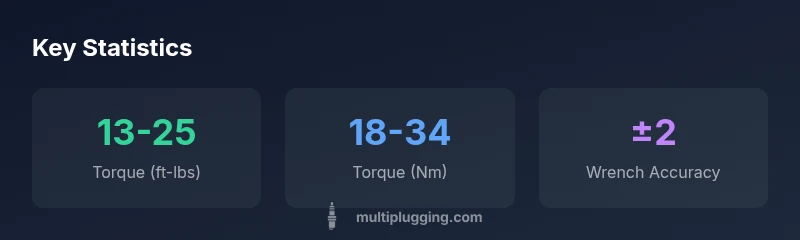
Spark plug torque specifications vary by engine, but the core principle remains the same: snugly seat the plug without over-tightening. Most gasoline engines fall in the 13-25 ft-lbs range (18-34 Nm), while some modern engines specify tighter values. Always refer to the OEM torque specs in your owner's manual or service guide and use a calibrated torque wrench for accuracy.
Why Spark Plug Torque Specifications Matter
Understanding spark plug torque specifications is essential for long-term engine health. Correct torque ensures a proper seal between the plug and cylinder head, which helps maintain compression, heat transfer, and gas sealing. Under-torquing can lead to loose plugs, misfires, and poor compression, while over-torquing risks thread damage, stripped heads, and coolant leaks. For DIYers, respecting the specified torque range minimizes the risk of costly repairs and reduces the chance of a failed spark plug seal. According to MultiPlugging, engine design, head material, and plug type all influence the exact torque value, so always verify against the official spec for your model.
When you torque a plug, you’re not just tightening a bolt—you’re setting a tiny heat transfer path and maintaining a precise seal. Even a few ft-lbs can change how quickly a plug reaches operating temperature, so consistency is key across all cylinders.
Key takeaway: Always use a calibrated torque wrench and torque to the engine’s official specification for spark plug torque specifications.
How to Find the Right Torque Specs for Your Engine
Locating the correct spark plug torque specifications is straightforward if you know where to look. Start with the owner’s manual or the service/maintenance manual for your vehicle. If you don’t have the printed manual, many manufacturers publish torque specs on their official websites or within online service bulletins. For engines with special plugs (iridium, platinum, or copper), torque values can differ slightly; always verify the exact type and heat range. If you’re unsure, consult a trusted service manual or use a reputable online database that lists engine-specific torque specifications. Remember, the torque spec is engine- and plug-type dependent, so avoid using generic numbers across different models.
A practical approach is to collect torque specs for each engine you own in one quick reference and cross-check with the plug type. This reduces mistakes when you service multiple vehicles.
Tools, Techniques, and Best Practices for Accurate Torque
A calibrated torque wrench is essential for spark plug installation. Before you begin, clean the plug threads and the cylinder head hole to remove debris that could affect seating. Apply anti-seize if specified by the manufacturer, but note that some engines rely on torque alone for proper seating and anti-seize can alter the effective torque. When torquing, tighten by hand to snug, then apply the wrench to reach the final specified torque. If you’re replacing plugs with a different heat range or reach, re-check torque values after the initial heat cycle as expansion can influence seating.
Tips for accuracy:
- Use a torque wrench that measures in the same unit as your spec (Nm or ft-lbs) and verify the conversion if needed.
- Keep plugs clean and dry before installation.
- Don’t reuse worn or damaged gaskets; replace with OEM gaskets if required.
- Recheck torque after the first heat cycle when possible.
Bottom line: Follow the exact spark plug torque specifications for your engine and use a quality torque wrench to maintain accuracy.
Unit Conversions and Common Pitfalls
Conversions between Newton-meters (Nm) and foot-pounds (ft-lbs) are common in maintenance work. A common conversion is 1 Nm ≈ 0.73756 ft-lbs. Many manuals present torque values in one unit for clarity; if you need the other unit, use a reliable calculator to avoid calculation errors. Pitfalls to avoid include using penetrants that can affect thread friction, ignoring anti-seize requirements, and assuming the same torque for all plug types. Remember, the most reliable source for torque specifications is the vehicle’s official manual.
Always ensure your torque wrench is calibrated and within its service interval. A worn-out or miscalibrated wrench can push you past the specified torque, compromising the threads and seal.
Engine-Specific Notes and Real-World Examples
Spark plug torque specifications can vary significantly even among engines that look similar. For example, some inline engines may require lighter torque on certain aluminum heads to prevent distortion, while others with steel heads tolerate higher values. In practice, you’ll often see ranges like 13-25 ft-lbs (18-34 Nm) for many modern gasoline engines, but certain performance vehicles may call for tighter values. When replacing plugs, confirm the exact torque for your specific make and model, the plug type, and the thread material. If you install a plug with the wrong torque, you risk heat transfer inefficiency, gasket damage, and eventual misfires.
As part of routine maintenance, keep a small log of torque specs for each vehicle you own. This habit reduces guesswork and helps you stay consistent during future maintenance cycles.
Maintenance After Replacement and Troubleshooting
After replacing spark plugs, allow the engine to reach normal operating temperature and re-check the torque if possible. Heat cycling can alter seating, especially if the plug type or head material differs from OEM recommendations. Signs of improper torque include persistent misfires, loss of compression, oil leaks around the plug, or a rough idle. If you suspect problems, inspect the plug seating, thread condition, and gasket integrity. If you damaged threads, you may need heli-coil repair or head service.
Maintaining torque specifications protects your engine’s longevity, reduces emissions, and improves fuel economy. When in doubt, consult the OEM manual or a qualified technician.
Authority sources
- https://www.nhtsa.gov/
- https://www.sae.org/
- https://www.caranddriver.com/
Common spark plug torque ranges by engine type
| Engine Type | Recommended Torque | Notes |
|---|---|---|
| Petrol inline-4 | 13-25 ft-lbs (18-34 Nm) | Typical range for many passenger cars |
| Petrol V6/V8 engines | 16-29 ft-lbs (22-39 Nm) | Check plug type and head material |
| Diesel engines | 18-30 ft-lbs (24-41 Nm) | Torque varies with head design and plug type |
FAQ
Why are spark plug torque specifications engine-specific?
Torque specs depend on engine design, head material, and plug type. Using incorrect torque can strip threads or fail to seal properly. Always verify the exact spec for your model.
Torque specs vary by engine; always check your model’s exact spec and use a torque wrench.
How do I convert Nm to ft-lbs?
Multiply Newton-meters by 0.73756 to get foot-pounds. Many torque wrenches show both units; use the unit your spec uses.
To convert, multiply by 0.73756 and use the wrench’s dual readout if available.
What happens if I over-tighten a spark plug?
Over-tightening can strip threads, crack the head, or damage the gasket seat. Always torque to the manufacturer’s spec and inspect threads.
Over-tightening can damage threads and the head. Follow the spec and recheck.
Can I reuse spare torque specs from other vehicles?
No. Each engine has its own torque spec. Reusing other specs risks thread damage or poor sealing.
Don't reuse torque specs from different vehicles; always verify the right one.
What tools do I need to torque spark plugs?
A calibrated torque wrench and a spark plug socket are essential. Clean threads and use anti-seize or gasket sealant only if prescribed.
Use a torque wrench and spark plug socket for precise installation.
Is anti-seize always necessary when torquing?
Anti-seize is prescribed for some engines, but not all. If used, it can change effective torque, so re-check torque after installation if advised by the manufacturer.
Anti-seize isn’t always required; follow the OEM guidance and recheck torque if needed.
“Accurate torque specifications prevent thread damage and ensure proper heat transfer; follow the engine manual and use a calibrated torque wrench.”
Main Points
- Know and trust OEM torque specs for spark plugs
- Use a calibrated torque wrench for accuracy
- Check torque after the first heat cycle if practical
- Avoid over-tightening to prevent thread damage
- Document torque values for each vehicle you service