Spark Plug Mazda 3: A DIY Guide to Diagnose, Replace, and Optimize
Learn how to diagnose and replace spark plugs on Mazda 3 engines. This comprehensive DIY guide covers tools, step-by-step instructions, safety, troubleshooting, and maintenance for better reliability and efficiency (2026 updates).


By following this guide, you will diagnose, replace, and optimize spark plugs on Mazda 3 engines. The MultiPlugging team designed this practical, hands-on process to help you identify worn plugs, select the right type, safely remove and install, and verify engine performance. This approach relies on OEM recommendations to prevent misfires and improve efficiency.
Why the Mazda 3 Spark Plug Guide Matters
Keeping the spark plugs in good condition is essential for Mazda 3 performance, fuel efficiency, and emissions. The spark plug is the tiny device that ignites the air-fuel mixture inside each cylinder. If a plug wears or fouls, it can cause misfires, reduced power, and poor MPG. For DIY enthusiasts, a well-planned plug replacement can be a straightforward maintenance task that prevents more serious engine problems down the line. According to MultiPlugging, regular plug inspection is a cost-effective way to extend engine life and maintain optimal combustion. The Mazda 3’s SKYACTIV engine family benefits from clean, properly gapped plugs that promote smooth idle and consistent acceleration. This guide is designed for car owners who want to diagnose, replace, and optimize spark plugs in a safe, methodical way, using common hand tools and OEM recommendations. The goal is to demystify the process, empower you to do it yourself, and reduce the chance of surprises at the next inspection. Note that variants exist across model years (2014-2026) and engine options, so always check your specific owner’s manual for the exact plug type and service interval.
Brand note: The MultiPlugging approach emphasizes practical steps that align with Mazda’s maintenance philosophy, helping you build confidence with each service event.
Mazda 3 Spark Plug Basics and Types
Spark plugs come in several materials and designs, and Mazda 3 engines have evolved through the years. In general, you’ll encounter copper-core, platinum, or iridium plugs, each with different heat handling and longevity characteristics. The goal is to choose a plug that matches the engine’s heat range and ignition timing, while fitting the socket and boot arrangements of the Mazda 3. Always confirm the recommended plug type in your owner's manual or from the official Mazda service literature; aftermarket alternatives can offer cost savings but may affect performance or warranty if misapplied. When selecting, consider factors such as electrode design, projected life, and the gap that the manufacturer specifies. If your vehicle uses direct injection or turbocharging in certain trims, you may see recommendations that reflect these features; again, defer to the OEM guidance first. In all cases, avoid mixing brands across cylinders and replace all plugs at the same time to maintain even combustion.
Symptoms That Signal a Worn Spark Plug
Symptoms of worn or fouled spark plugs in a Mazda 3 include rough idle, misfires, hesitation during acceleration, and declining fuel economy. You might notice frequent starting difficulties or a check engine light if the ECU detects misfire codes. A simple diagnostic can involve inspecting the used plugs for fouling, oil build-up, glazing, or heavy dark deposits. If you find signs of oil on the plug threads or insulator, that may point to valve cover gasket leaks or piston ring issues rather than plug failure. Another practical signal is abnormal ignition coil heat or boot wear; if a coil boot is damaged, it can cause intermittent misfires even with a good plug. Document any symptoms before starting the maintenance so you can compare post-replacement performance after completing the steps.
Tools and Materials You Need
Before you begin, gather the essential tools and parts so you don’t pause mid-work. Having everything on hand minimizes risk and helps keep the work area clean. See the Tools & Materials block for a detailed list and notes on compatibility with Mazda 3 engines across model years. Safety gloves, eye protection, and a clean workspace are a must. Remember to check local recycling guidelines for used spark plugs and to dispose of packaging responsibly.
Choosing the Right Spark Plug for Your Mazda 3
Not all Mazda 3 engines use the same spark plug in every year or trim level. The correct plug should match the OEM specification for heat range, electrode material, and reach. OEM plugs generally offer reliable performance and warranty compatibility, while certain aftermarket options may be viable for budget-conscious owners if they explicitly state compatibility with Mazda 3 engines. Always confirm gap and seating specifications with the OEM data for your exact year and engine code, especially if you drive a turbocharged variant or a higher-compression SKYACTIV engine. When in doubt, prioritize OEM or OE-equivalent plugs and replace all plugs at once to ensure consistent combustion across cylinders.
Step-By-Step Replacement Overview
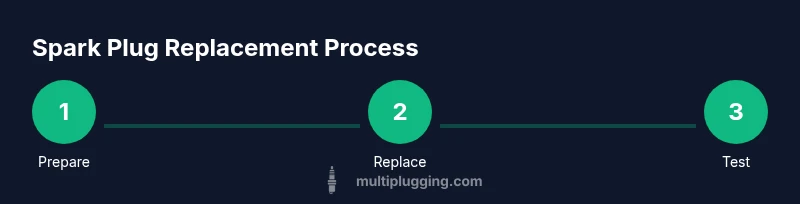
Replacing spark plugs on a Mazda 3 is a methodical process that rewards careful prep and organization. Before you begin, review the Tools & Materials list, and set aside a comfortable, well-lit workspace. This overview covers the high-level sequence, while the next section provides detailed, step-by-step instructions that you can follow in order. The goal is to minimize debris intrusion, ensure proper seating, and verify engine health after the replacement. If your Mazda 3 uses a coil-on-plug design, you’ll remove the coil boot on each cylinder to access the spark plug. Expect a clean, controlled procedure rather than forceful prying. After installation, re-seat all boots, reconnect wiring, and perform a brief engine check to confirm smooth running. This approach aligns with current 2026 maintenance best practices and helps you avoid common missteps.
Safety and Best Practices for Handling Spark Plugs
Spark plugs operate at high temperatures and in a tight engine environment. Always ensure the engine is cool before beginning work, disconnect the battery to prevent accidental shorts, and wear eye protection. Handle plugs by their metal shell to avoid damaging the insulator; never pull on the wiring harness. Keep the combustion chamber free of debris by cleaning around the plug holes before removal, and use a proper spark plug socket with a rubber insert to prevent dropping plugs. When installing, hand-tighten first and then torque to the OEM specification with a torque wrench. Finally, test the engine after replacement to confirm a clean running condition and absence of misfires. The safer you work, the more likely you’ll complete the replacement without trouble.
Common Mistakes and Troubleshooting After Replacement
The most frequent errors include cross-threading, over-tightening, and neglecting to replace damaged boots or o-rings. If you notice continued rough running after replacement, re-check the plug seating height and gap, and inspect coil boots for cracks or heat damage. A misfire code may indicate a secondary issue such as ignition coil health or wiring problems, not just the plug. Troubleshooting steps should be systematic: verify component connections first, then test with a scan tool to read any diagnostic trouble codes, and finally perform a controlled road test to observe driving behavior. Keeping a notes log helps you compare performance before and after replacement. By following a methodical approach, you can confidently identify whether the issue lies with the plug or a separate system fault.
Maintenance and Longevity Tips for Mazda 3 Spark Plugs
To maximize life and performance, follow a maintenance cadence suited to your driving conditions. Regular inspection of plug condition during routine service helps you catch issues early. If you operate the vehicle in harsh climates, dusty or high-altitude environments, you may see faster wear and fouling, so plan for more frequent checks. Proper fueling, air filtration, and cooling can indirectly extend plug life by reducing abnormal combustion. After replacing plugs, monitor fuel economy and acceleration, and address any irregularities promptly. Persistently poor performance despite new plugs should trigger a broader diagnostic check of ignition coils, fuel delivery, and compression. These practices align with long-term maintenance goals for Mazda 3 engines in 2026 and beyond.
Tools & Materials
- Spark plug socket (3/8-inch drive) with rubber insert(Prefer a deep-well socket to reach recessed plugs)
- Ratchet and extension(Sufficient reach to access plugs without force)
- Torque wrench(Use OEM seating torque; avoid over-tightening)
- New spark plugs (OEM or equivalent)(Ensure correct heat range and reach for your year/model; many plugs arrive pre-gapped)
- Gap gauge / feeler gauges(Only if plugs are not pre-gapped to spec by manufacturer)
- Anti-seize compound(Optional; check OEM guidance as some engines do not require it)
- Dielectric grease(Optional for coil boots to ease future removal)
- Lint-free cloth(Wipe around plug seat before installation)
- Owner's manual(Verify model-year specifics and service intervals)
Steps
Estimated time: 30-60 minutes
- 1
Prepare & Safety
Park on a level surface, engage the parking brake, and switch off the ignition. Remove the key and disconnect the negative battery terminal to prevent short circuits. Let the engine cool for at least 10-15 minutes to avoid burns when handling hot components.
Tip: Wearing gloves and eye protection minimizes risk; keep track of screws and boots as you work. - 2
Open the engine area and locate plugs
Remove any engine covers or shielding that block access to the spark plugs. Identify the plug wells and confirm which cylinders have plugs that require service. Having good lighting makes the process smoother and reduces the chance of dropping small parts.
Tip: Take a quick photo of wiring or coil positions before disconnecting anything for easy reassembly. - 3
Disconnect coils/boots and prep plug area
Gently detach the ignition coil boot or wire from each plug. Inspect the boots for cracks or wear, as a faulty boot can cause misfires even with a new plug. Clean any debris around the plug well with a clean cloth.
Tip: Avoid pulling on the wiring; grip the boot base to remove without damaging the lead. - 4
Remove old plugs
Use the spark plug socket to loosen and remove each plug. Inspect the old plug for electrode wear, fouling, or oil deposits to help diagnose related engine issues. Set removed plugs in a safe container to prevent contamination.
Tip: If a plug is stubborn, back it off slightly and then remove straight to avoid cross-threading. - 5
Install new plugs
Thread the new plugs in by hand to ensure the threads align properly, then snug with the socket. If you’re using a torque wrench, torque to the OEM specification by hand first to achieve the correct seating. Avoid overtightening, which can damage threads.
Tip: Check that the gap is correct if the plugs were not pre-gapped by the manufacturer. - 6
Reinstall boots and covers
Re-seat each coil boot firmly onto the corresponding plug. Reinstall engine covers and any shielding you removed, ensuring no wires are pinched or misrouted. Reconnect the negative battery terminal after finishing the wiring.
Tip: Double-check boot seating for each cylinder to prevent post-replacement misfires. - 7
Test and verify
Start the engine and listen for a smooth idle. Take a short drive to confirm there is no misfire, roughness, or stumble under acceleration. If any issue persists, re-check plug torque and boot connections.
Tip: If unfamiliar fault codes appear, use a scan tool to confirm the absence of misfire or sensor faults.
FAQ
Do I need to replace all spark plugs at once on a Mazda 3?
For consistent combustion and to avoid uneven wear, it’s generally best to replace all spark plugs at the same time, especially if they’re the same age. If one plug shows wear, others may be close to it in life as well. Always follow OEM recommendations for the exact interval.
It’s usually best to replace all plugs at the same time for even performance across cylinders.
Can I replace Mazda 3 spark plugs without removing the engine cover?
In many Mazda 3 models, the engine cover can stay in place for some plug locations, but access varies by year and engine type. Check your manual and plan to remove the cover if it obstructs access to a bank of plugs. Take care to avoid damaging clips on reassembly.
Access may require removing the engine cover, depending on the year and engine.
How long does Mazda 3 spark plug replacement take for a DIYer?
A typical Mazda 3 plug replacement takes about 30 to 60 minutes for a straightforward bank of plugs. If you have limited space or multiple banks, it may take longer. Plan ahead and work carefully to avoid dropping parts.
Usually around half an hour to an hour for a normal planned replacement.
What signs indicate incorrect plug gap after replacement?
If the engine runs rough or misfires shortly after replacement, the plug gap might be incorrect. Use a gap gauge and compare to OEM specs, or re-gap the plugs before installation. A poor gap can affect ignition timing and efficiency.
A rough idle or misfires after replacement often means the gap isn’t correct.
Is it safe to reuse old spark plug wires or boots?
Wires and boots are generally not reused if they show signs of wear, cracking, or resistance. For Mazda 3, inspect the boots for cracking and the wires for damage; replacing worn boots or wires along with plugs improves reliability and reduces misfires.
Worn boots or wires should be replaced with the plugs for best results.
Watch Video
Main Points
- Follow OEM specs for plug type and gap before replacement
- Replace all plugs at once for even combustion
- Use a torque wrench to avoid over-tightening
- Inspect coil boots and wiring for wear during replacement