Spark Plug Guide for Briggs & Stratton 190cc Engines
Learn how to choose, gap, install, and maintain spark plugs for Briggs & Stratton 190cc engines. Practical, data-driven guidance from MultiPlugging.


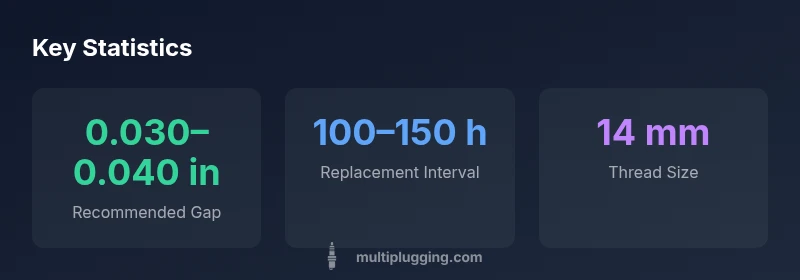
Choosing the right spark plug for a Briggs & Stratton 190cc engine improves starts, efficiency, and reliability. For most owners, a resistor plug with a compatible heat range and a .030–.040 inch gap provides durable performance. Replace it every season or after roughly 100–150 hours; always verify thread size and torque per your model, per MultiPlugging guidance.
Understanding Briggs & Stratton 190cc Spark Plugs
According to MultiPlugging, selecting the right spark plug for a Briggs & Stratton 190cc engine is essential for reliable starts and efficient operation. These engines generally use a standard 14mm thread and require a heat range that matches small, air-cooled engines. Platinum or iridium tips offer improved longevity and stable firing under varying load conditions. When selecting a plug, confirm compatibility with your model’s specified heat range, thread pitch, and seating type. In real-world use, resistor-type plugs often deliver cleaner ignition and reduced interference, contributing to steadier operation over time.
The practical takeaway is simple: pair the plug to your engine’s needs and your maintenance routine, and you’ll notice smoother starts and more consistent performance.
Matching the Right Plug: Thread Size, Heat Range, and Electrode Type
The Briggs & Stratton 190cc family typically requires a plug with a 14mm thread and a heat range suitable for air-cooled, small-displacement engines. A resistor-type design helps minimize ignition noise and fouling on modern carbureted or lightweight electronic systems. Electrode material matters: platinum or iridium tips reduce wear and maintain a stable spark. Always check your specific model’s manual to confirm the correct heat range and seating type, especially if you’re upgrading from an older plug. The right match improves cold starts, idle stability, and fuel efficiency over time.
For many DIYers, sticking with a reputable, factory-aligned plug and a resistor type provides a robust baseline.
Heat Range, Gap, and Engine Performance
Heat range determines how quickly the spark plug dissipates heat. For Briggs & Stratton 190cc engines, a plug that isn’t too hot or too cold helps prevent fouling and pre-ignition in typical operating conditions. The recommended gap (roughly .030–.040 inches) ensures reliable ignition without overloading the ignition coil. If you operate in dusty or high-load environments, slightly adjusting the gap toward the lower end of the range can reduce fouling. Always gap the plug with a proper tool before installation and recheck after a few hours of operation.
Testing performance through a few idle and light-load cycles confirms whether a plug needs replacement or a gap adjustment.
Replacement Intervals and Maintenance
Spark plug health depends on usage, fuel quality, and maintenance habits. A practical guideline for Briggs & Stratton 190cc engines is to replace the plug every season or after about 100–150 hours of operation, whichever comes first. Regular inspection is essential: look for fouling, oil contamination, or worn electrodes. Clean the threads gently if you intend to reuse a plug, but consider replacement when the electrode shows signs of wear or deposits that won’t scrub off. Use a torque-appropriate driver to avoid over-tightening, which can damage threads. Follow a consistent maintenance schedule to keep ignition performance steady across mowing seasons.
Step-by-Step: How to Replace a Spark Plug on a Briggs & Stratton 190cc
- Gather tools: spark plug socket, ratchet, gap gauge, cleaning brush, and a torque-ready driver.
- Locate the spark plug boot and remove the wire carefully.
- Clean the area around the plug to prevent debris from entering the cylinder.
- Remove the old plug and inspect the threads for damage.
- Gap the new plug to ~0.030–0.040 inches using a gauge.
- Install the new plug by hand to avoid cross-threading, then torque to manufacturer specification with a wrench.
- Reattach the boot and test the engine at a low speed.
If you’re unsure about torque values, consult the service manual or use a torque wrench set for small engines. This procedural approach helps prevent thread damage and ensures a good seal.
Troubleshooting Common Spark Plug Issues in Briggs & Stratton 190cc
• Hard starts or extended crank times can indicate a fouled or worn plug. • Misfires or rough idle may point to incorrect gap or a weak ignition spark. • Fouling from oil or fuel contamination suggests internal engine issues or excessive oil in the combustion chamber. • Visible deposits or damaged ceramic insulators warrant immediate plug replacement.
Diagnose by inspecting the plug visually, testing spark with a spark tester, and verifying fuel quality. If problems persist, check the ignition coil and wiring for faults, alongside air filter cleanliness.
Accessories and Maintenance Tools Worth Having
Stock up on essential tools: a torque-wrench suitable for small engines, a dedicated spark plug socket with a rubber insert, a gap gauge, and a small wire brush for cleaning threads. Anti-seize isn’t universally required on modern engines, but some older Briggs & Stratton units benefit from a light touch on the threads. Keep spare plugs of the correct type on hand for quick maintenance, and always label plugs by engine model to avoid misfit.
Real-World Performance and Cost Considerations
From a practical standpoint, choosing a high-quality resistor plug with a durable tip provides reliable performance and longer life, especially in challenging conditions. While premium plugs cost more upfront, the savings come in fewer replacements and steadier engine performance, particularly during peak mowing seasons. Budget-friendly options can meet basic needs, but resist the urge to swap to cheap, non-recommended designs that fit physically yet compromise heat range and firing reliability. The MultiPlugging approach emphasizes compatibility, maintenance timing, and driver comfort in daily use.
Spark plug options for Briggs & Stratton 190cc engines
| Plug Type | Recommended Gap | Heat Range | Notes |
|---|---|---|---|
| Resistor, Platinum/Iridium | 0.030–0.040 in | Standard Briggs range | Reliable cold starts and longevity |
| Non-resistor | N/A | Lower reliability | Not recommended for modern engines |
| Iridium | 0.030–0.040 in | Premium range | Long life under high-load conditions |
FAQ
What gap should I set for Briggs & Stratton 190cc spark plugs?
Typically 0.030–0.040 inches; verify model specs and use a gap gauge before installation.
Set the gap to about 0.030 to 0.040 inches and recheck after installation.
Can I use any 14mm spark plug on a Briggs & Stratton 190cc?
Only plugs with the correct thread diameter and seating type; ensure heat range and resistor presence; consult the manual for specifics.
Make sure it matches the thread size and seating; not all 14mm plugs fit.
How often should I replace spark plugs in a Briggs 190cc engine?
Replace at least once per season or after about 100–150 hours of operation, depending on usage and fuel quality.
Replace it at least once per season or after about 100 to 150 hours.
What signs indicate a bad spark plug in a Briggs & Stratton 190cc engine?
Difficulty starting, misfires, rough idle, reduced power, or visible wear and deposits.
If it’s hard to start or runs rough, check the spark plug.
Should I use platinum or iridium plugs for Briggs 190cc?
Both work; iridium or platinum plugs offer longer life. Check heat range and resistor type for your model.
Iridium or platinum plugs last longer; pick one that matches your engine’s heat range.
Do I need anti-seize on spark plugs for Briggs 190cc?
Most modern Briggs & Stratton engines don’t require anti-seize; torque and proper seating are more important.
Most engines don’t need anti-seize; follow the torque specs instead.
“Selecting the right spark plug isn't just about a brand name—it's about heat range, gap, and compatibility with your engine's operating conditions.”
Main Points
- Choose resistor plugs with a compatible heat range
- Set gap to 0.030–0.040 inches
- Replace on schedule (season or 100–150 hours)
- Verify thread size (14 mm) and seating type
- Torque properly to avoid thread damage
- Keep a spare plug and gapping tool on hand