Socket Size for Spark Plug: A Practical DIY Guide
Learn how to identify the correct spark plug socket size, measure hex sizing, and choose the right tools to safely replace plugs in cars and small engines.


Determining the socket size for spark plugs starts with the plug hex. In most passenger cars, the hex accepts either a 5/8 inch (16 mm) or 13/16 inch (20 mm) socket. Some motorcycles or heavy‑duty engines use 14 mm or even 3/4 inch sockets. Always verify the exact size from the owner’s manual or the spark plug packaging.
Understanding Spark Plug Hex Sizing and Why It Matters
The spark plug hex size is the flat‑sided portion that the socket grips. Getting this right matters because using the wrong size can strip the plug or the hex, making removal difficult and potentially causing engine damage. For most modern passenger cars, the common hex sizes are 16 mm (5/8 inch) or 20 mm (13/16 inch). These sizes align with many popular spark plug types, including standard copper plugs and common iridium/platinum designs. A mismatch not only risks damaging the plug but can also nick the aluminum cylinder head around the plug well, leading to costly repairs. At MultiPlugging, we emphasize verifying the exact hex size before any service work; the wrong choice can ruin the plug seat and complicate reinstallation. The first step is to locate the exact hex dimension from the vehicle’s service manual or the plug’s packaging, which frequently lists the hex size directly on the label.
Common Socket Sizes You’ll Encounter
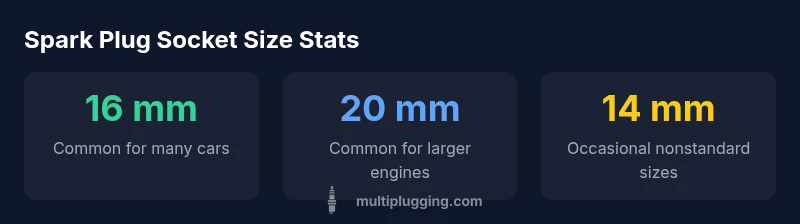
In everyday automotive maintenance, you’ll see two primary hex sizes repeatedly: 16 mm (5/8 inch) and 20 mm (13/16 inch). The tighter 16 mm is prevalent across many compact and mid‑size engines, while 20 mm is common for some four‑cylinder and larger engines. It’s not unusual to encounter a 14 mm socket on particular models, particularly older or high‑performance engines. In motorcycles and some professional fleets, 12–15 mm ranges are occasionally used, though 14 mm is among the more frequent non‑car sizes. The key takeaway is: do not assume—double‑check the plug hex size on the plug head or the manufacturer’s documentation before attempting removal.
How to Measure the Hex Size on Your Plug
If you can’t locate the size on the packaging, a precise measurement is possible with calipers or a ruler and a bit of careful math. Measure across the flats of the hex (not the rounded corners) and record the distance in millimeters or inches. If you only have a ruler, you can compare the plug hex against known sizes; place the plug hex against a set of reference sockets to identify the closest match. For the most reliable result, use a caliper and measure at the widest point across two opposite faces. For accuracy, take the measurement while the engine is cool and the plug is clean so you’re not misled by residue.
Engine Type Nuances: Cars vs Motorcycles and Small Engines
Engine types influence the socket size you’ll need. Most modern cars favor 16 mm or 20 mm hex plugs, but some engines use larger sizes due to longer reach or different hex geometry. Motorcycles and small engines sometimes require 14 mm hex values, while older or diesel engines can push toward 7/8 inch (22 mm) or larger, though these are less common in everyday settings. Always check the service manual for torque values and hex dimensions; using the wrong size may cause the plug to seat incorrectly and lead to cross‑threading or thread damage. For DIYers, a small socket set that covers 16 mm and 20 mm with a deep well design will handle the majority of jobs.
Socket Materials and Magnetic Tips: Pros and Cons
Socket material matters when removing stubborn plugs. Deep sockets with a corrosion‑resistant alloy (e.g., chrome‑vanadium) reduce wear and chrome corrosion around the plug seat. A magnetic spark plug socket helps hold the plug in place as you thread it out, which is especially useful in tight bays or if you’re working with a recessed plug well. However, magnets can attract metallic debris during reinstall, so ensure the plug is clean and the area is free of grit before reassembly. A non‑magnetic, deep socket can be sufficient if you’re careful and use a bit of grip to secure the plug. In short, magnetic tips improve handling, but quality materials and proper technique matter most.
Practical Steps to Identify the Correct Socket Before Work
- Check the vehicle’s owner’s manual or service manual for the exact hex size. 2) Inspect the spark plug head for the hex dimension. 3) Compare the plug hex against a quick reference chart in your tool bag. 4) If in doubt, use a digital caliper for a precise measurement. 5) Confirm the socket’s depth matches the plug well so the tool can reach the plug without hitting surrounding components. 6) Prepare a clean workspace and have replacement plugs ready to go.
Tools and Accessories to Make the Job Easy
Beyond the socket, you’ll want a torque wrench to reseat the plug to the manufacturer’s specification, a magnetized or non‑magnetic deep well socket, a swivel or extension for tight spaces, and thread‑locker or anti‑seize as recommended by your plug vendor. Using a torque wrench is especially important to avoid overtightening or under‑torquing the plug, which can cause thread damage or leaks. A spark plug boot puller can also help in removing old boots safely without pulling wiring.
Safety and Best Practices to Avoid Rounding or Cross‑Threading
Always begin with a dry run by threading the plug by hand. When you’re ready to install, rotate slowly and ensure the plug threads align with the hole. If you feel any resistance, back off and re‑align; forcing a plug into a misaligned thread is a common cause of damage. Use anti‑seize or thread lubricant where recommended, but avoid doing so if the manufacturer specifies otherwise. Apply a light coat, then torque to the recommended value using a torque wrench. Finally, recheck the boot fit and go over the engine bay to confirm everything is secure.
Common Pitfalls and Quick Fixes for a Stuck Spark Plug Socket
A stuck socket can happen if the plug refuses to budge due to carbon buildup or overtightening. First, ensure you’re using the correct hex size and the socket is fully seated. Apply penetrating oil and let it sit for a few minutes; never hammer the tool—this can strip the plug head or the socket. For stubborn plugs, a combination of gentle tapping with a rubber mallet around the socket (not on the plug head) and a longer torque lever can help. If a plug head shears, you may need professional removal techniques or access to specialty extraction tools.
Hex size by engine type and typical notes
| Engine Type | Common Hex Size | Notes |
|---|---|---|
| Passenger Car | 16 mm / 5/8 inch | Check manual for exact hex size |
| Compact/4-Cylinder | 20 mm / 13/16 inch | Some models use larger hex |
| Motorcycle/Small Engine | 14 mm / 9/16 inch | Refer to plug spec |
| Diesel Engine | 22 mm / 7/8 inch | Rare, verify with manufacturer |
FAQ
What is the typical socket size for most spark plugs?
Most spark plugs use a 16 mm or 20 mm hex, i.e., 5/8 in or 13/16 in. Verify the hex size on the plug head or in the manual.
Most plugs use 16 or 20 mm hex; check the plug head or manual to confirm.
How can I identify the exact socket size for my vehicle?
Look for the hex size printed on the plug or refer to the vehicle's service manual. If needed, measure the flats with a caliper.
Check the plug or manual, or measure with calipers to be precise.
Do I need a magnet-equipped spark plug socket?
A magnetic tip helps hold the plug in place and prevents drops in tight spaces. It's recommended but not mandatory.
Yes—magnetic tips help prevent dropping the plug.
What if my plug uses a nonstandard size?
Refer to the plug's manufacturer specs or use a deep‑well socket that matches the hex. Avoid adapters that can slip.
Check the plug specs and use the correct deep‑well socket.
Can I use a regular socket instead of a spark plug socket?
Regular sockets may not reach the plug reliably or provide enough clearance. Use a dedicated spark plug socket for safety and fit.
No—use a spark plug socket designed for plugs.
How do I prevent damaging threads when installing a spark plug?
Start threads by hand, use the correct torque spec, and avoid forcing the plug. Recheck after seating.
Hand‑start, then torque to spec to protect threads.
“Choosing the correct spark plug socket size is essential to avoid cross‑threading and damaged plugs. The right size reduces stripping risk and makes replacement smoother.”
Main Points
- Check plug hex before buying a socket
- Keep 16 mm and 20 mm sockets on hand
- Magnetic socket tips aid handling in tight spaces
- Torque to spec to avoid thread damage
- Always consult the vehicle manual for engine‑specific sizes